(Scroll down for the English text.)
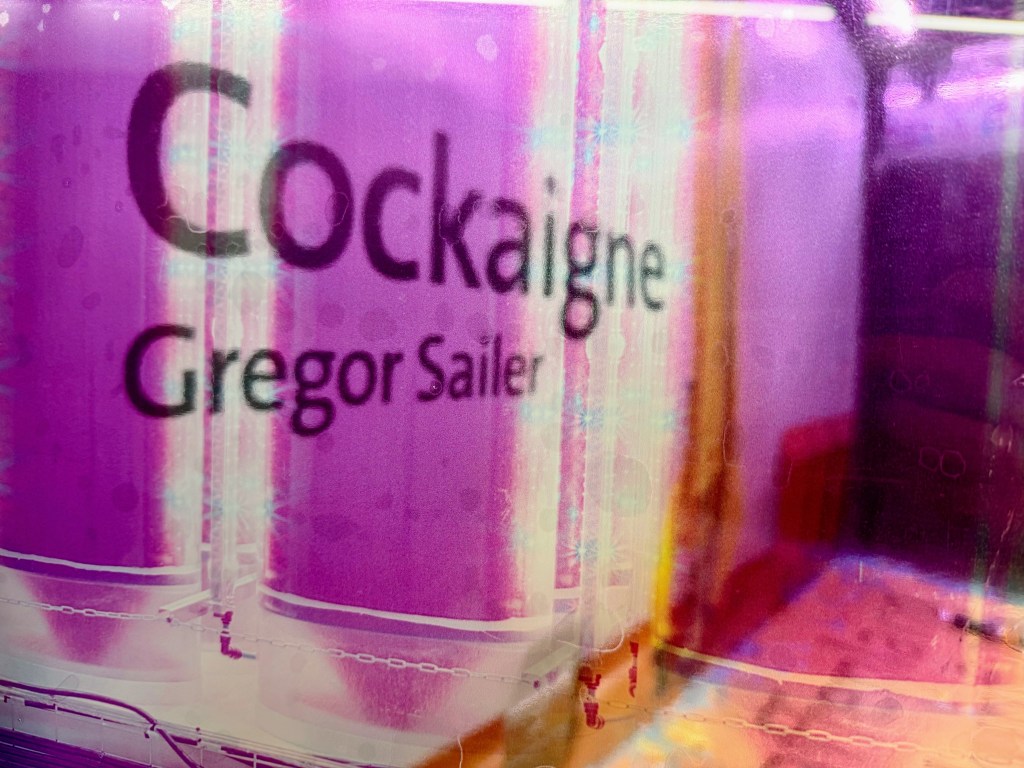
Gestern war ich im Naturhistorischen Museum Wien, in der Ausstellung „Cockaigne. Schlaraffenland der Zukunft?“ von Gregor Sailer. Ein Thema, das auf dem Papier ungefähr so aufregend klingt wie ein Bericht über Agrarpolitik: die Zukunft der Nahrungsmittelproduktion.
Doch ich kenne Sailers Werke, und so war mir von Anfang an klar, dass der Blickwinkel ungewöhnlich und spannend sein würde. Und dann stand ich vor Bildern, die eher nach Science-Fiction aussehen als nach Landwirtschaft.
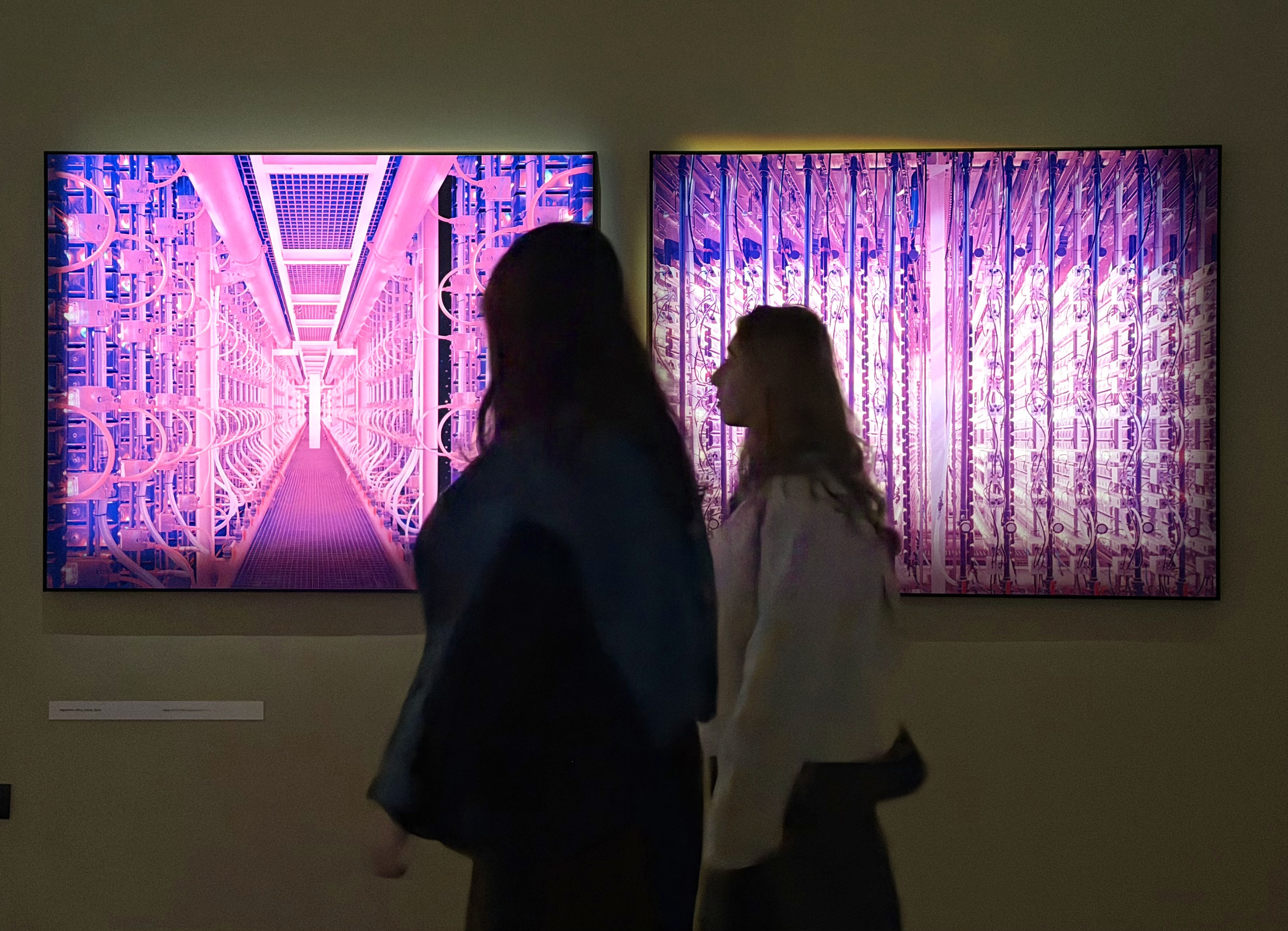
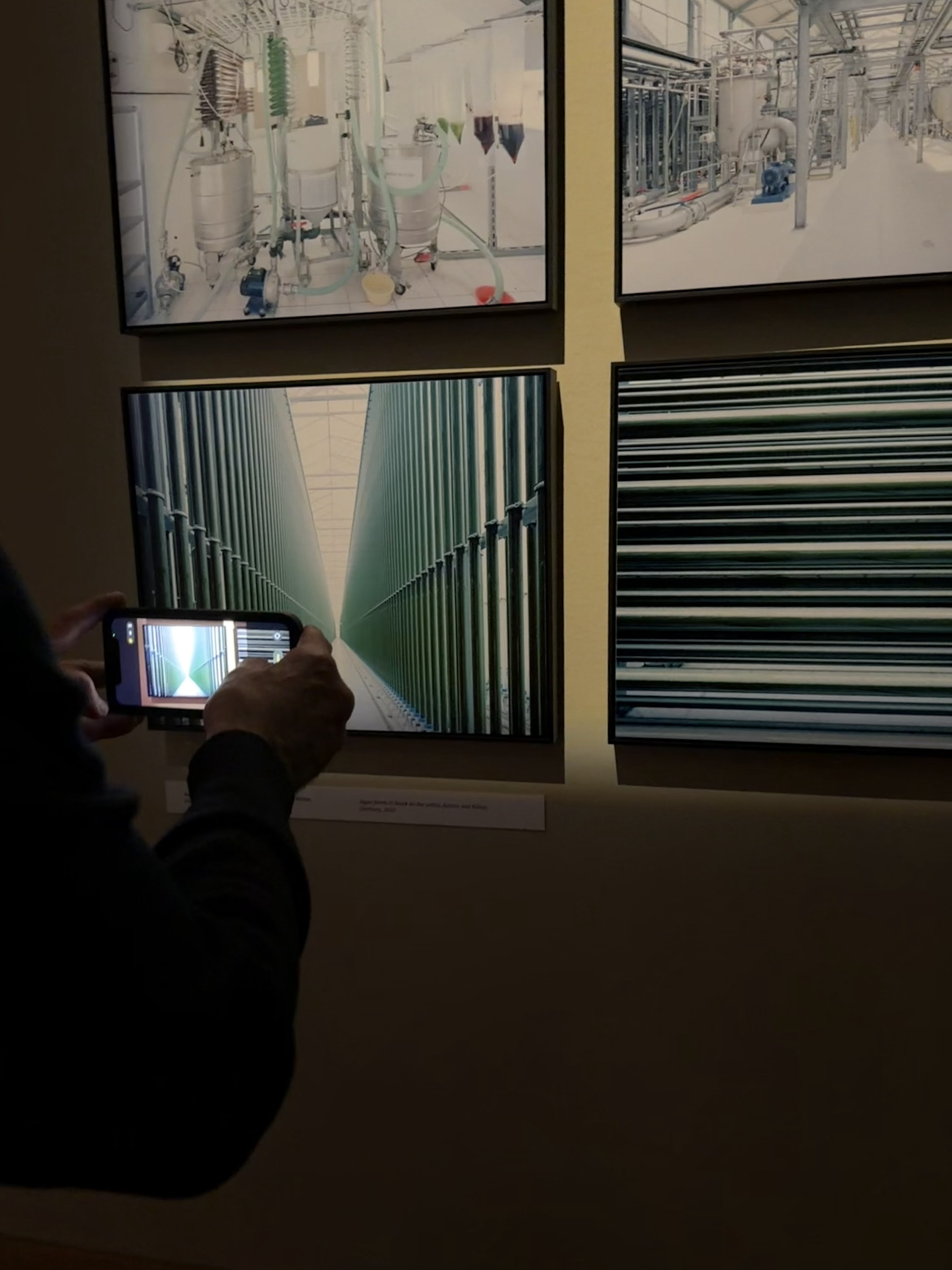
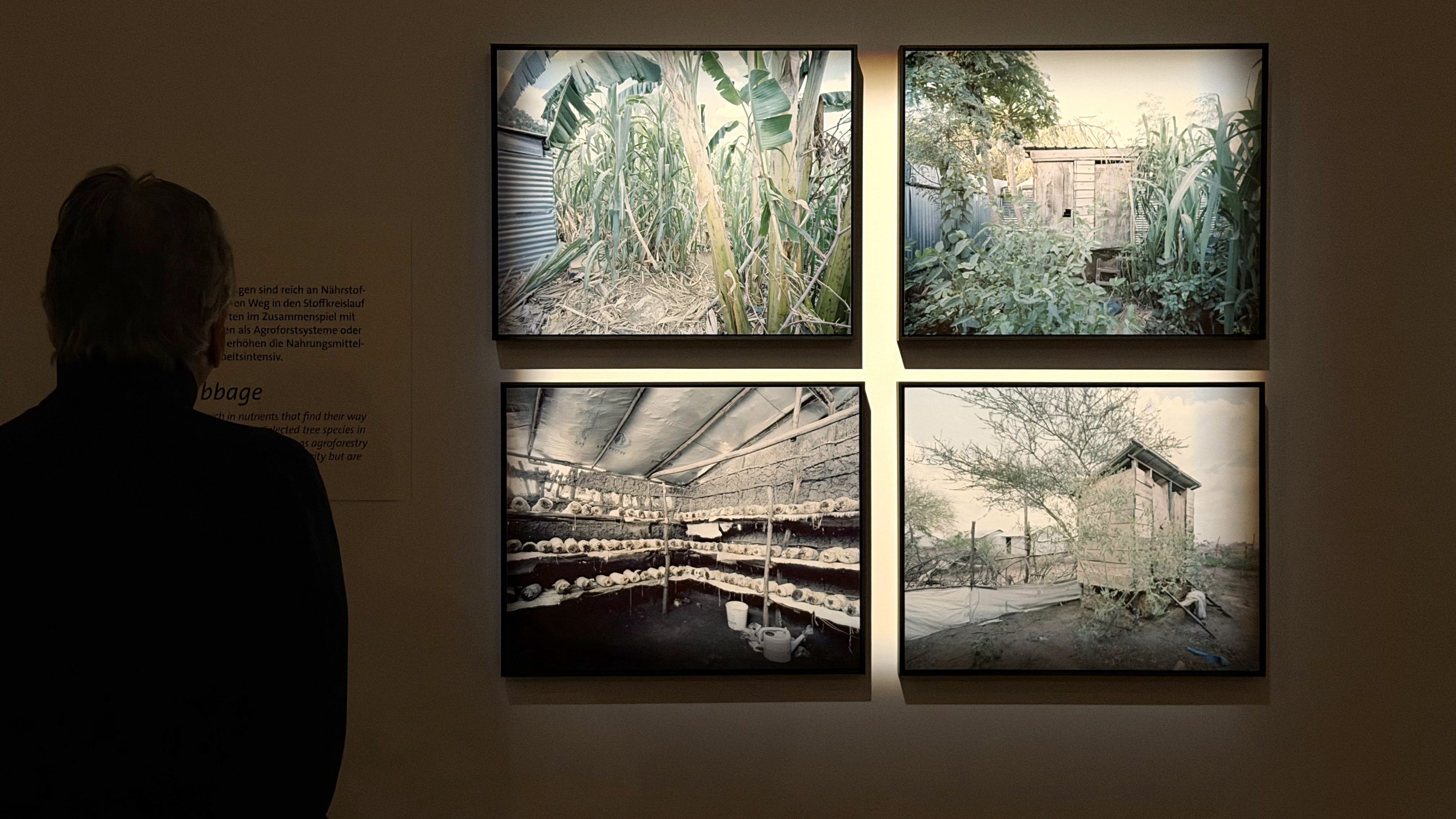
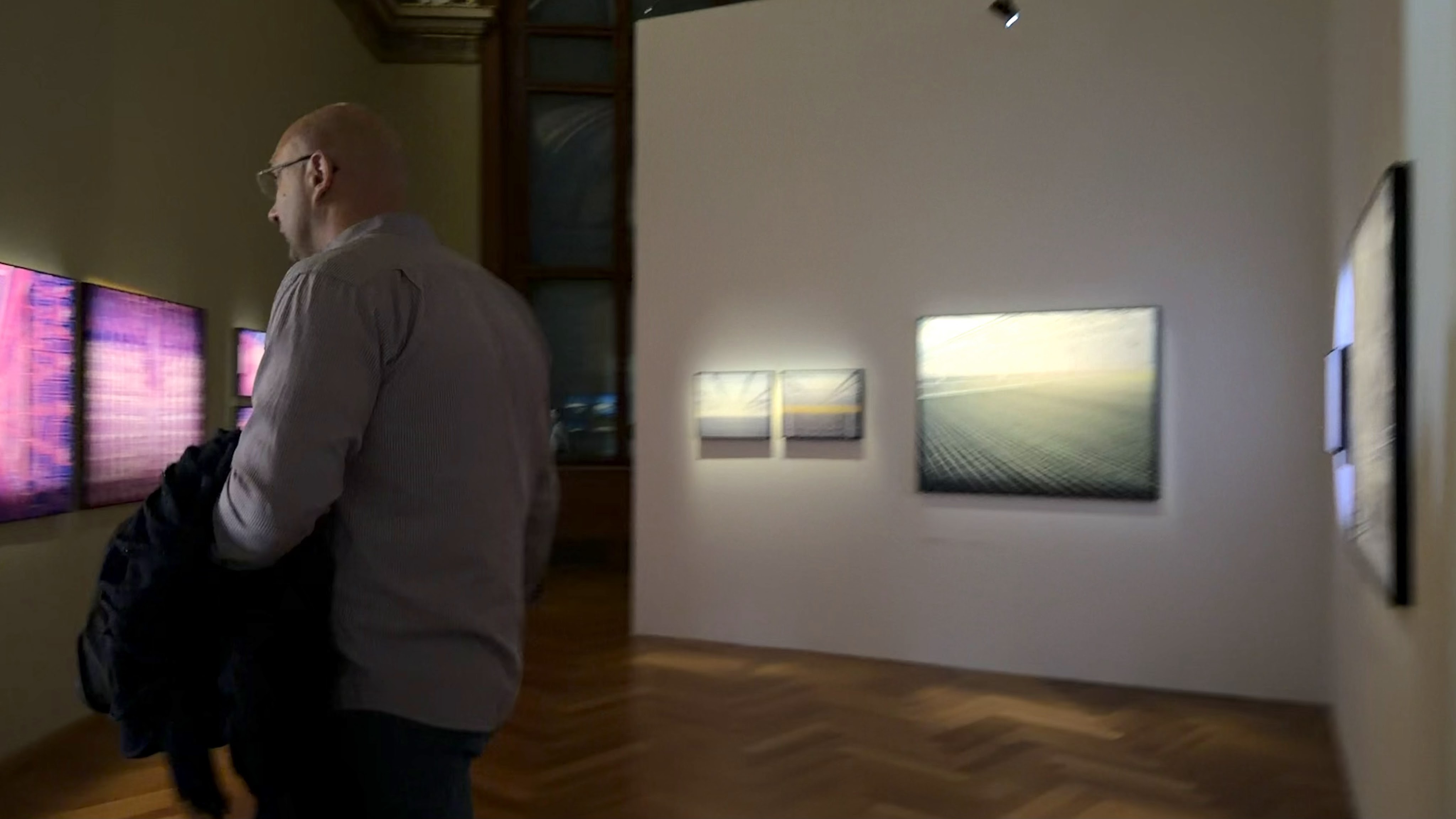
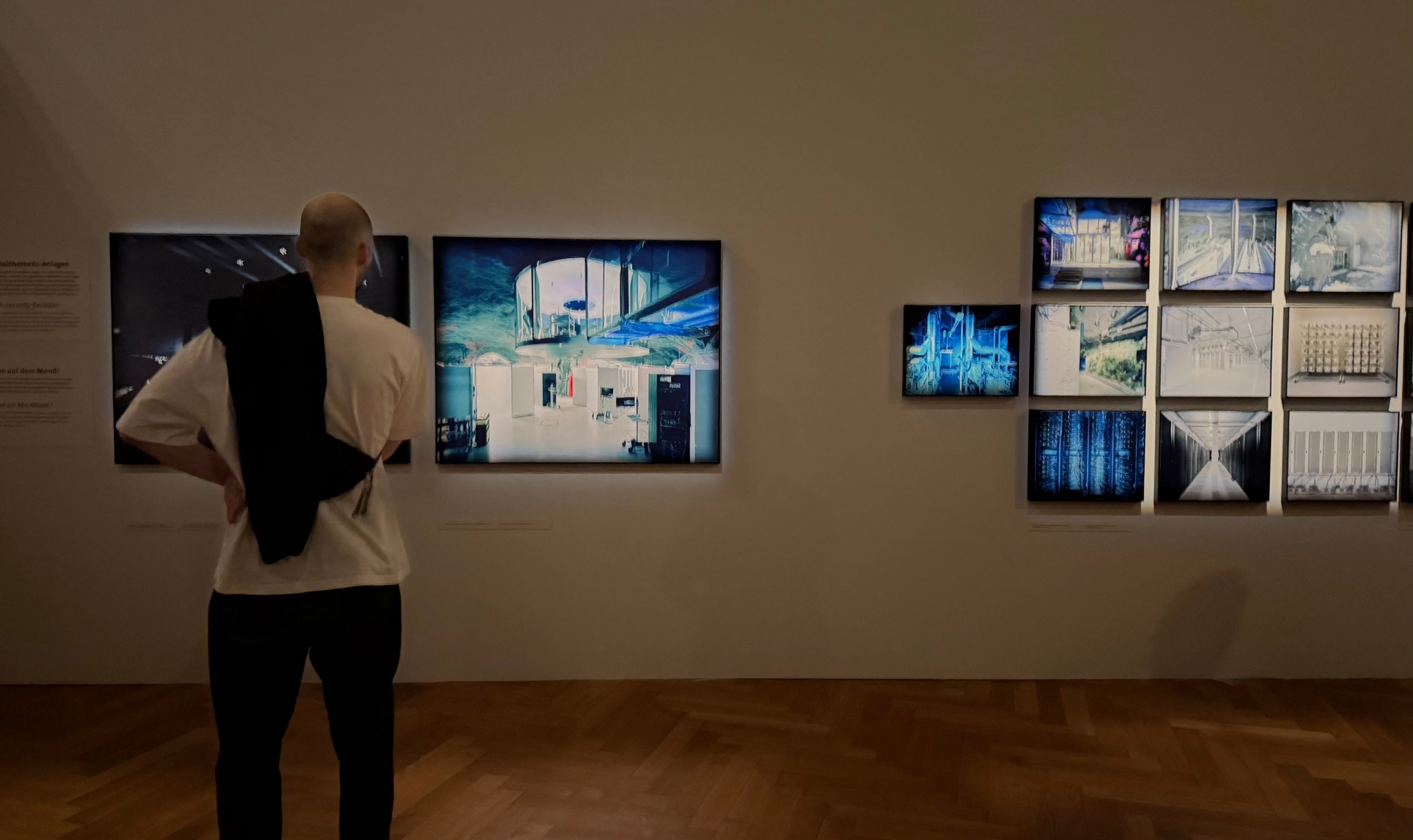
Der Ausstellungsraum ist abgedunkelt, die Fotografien leuchten klar und präzise von den Wänden. Alles ist extrem kontrolliert, fast schon klinisch sauber inszeniert. Genau wie die utopisch anmutende Nahrungsmittelproduktionen, die Sailer hier abgelichtet hat. Seine bekannte fotografische Präzision macht die Wirkung umso stärker.
Ich hatte voriges Jahr das Vergnügen, an einem Workshop mit Gregor Sailer teilzunehmen. Einblicke in seine Arbeitsweise zu bekommen war sehr spannend. Er arbeitet an der Schnittstelle von Kunst, Wissenschaft und Architektur – und das merkt man bei seinen Bildern. Oft geht eine jahrelange Recherche voraus, bevor überhaupt fotografiert wird. Er gelangt an Orte, die normalerweise nicht zugänglich sind, und macht abgeschlossene Welten sichtbar. Seine Projekte sind durchzogen von erstaunlicher Konsequenz, Klarheit, Ruhe in der Bildsprache. (Seine Ausbildung begann er übrigens an der Prager Fotoschule Österreich – was ich persönlich schön finde, weil ich dort gerade selbst mein Diplomjahr abgeschlossen habe.)
„Unsere Supermarktregale quellen über vor köstlichen und preiswerten Lebensmitteln. Wir müssen weder den Boden bewirtschaften noch Saatgut aussäen, Getreide ernten, Mehl mahlen oder Brot backen. Die Zucht und Schlachtung von Tieren, das Fangen von Fischen – all das wird für uns erledigt. Doch ist unser modernes Schlaraffenland nicht nur eine weitere Illusion, mit der wir uns über die Leere unseres Alltags hinwegtäuschen?”
David Julian McClements zu Gregor Sailers Arbeiten
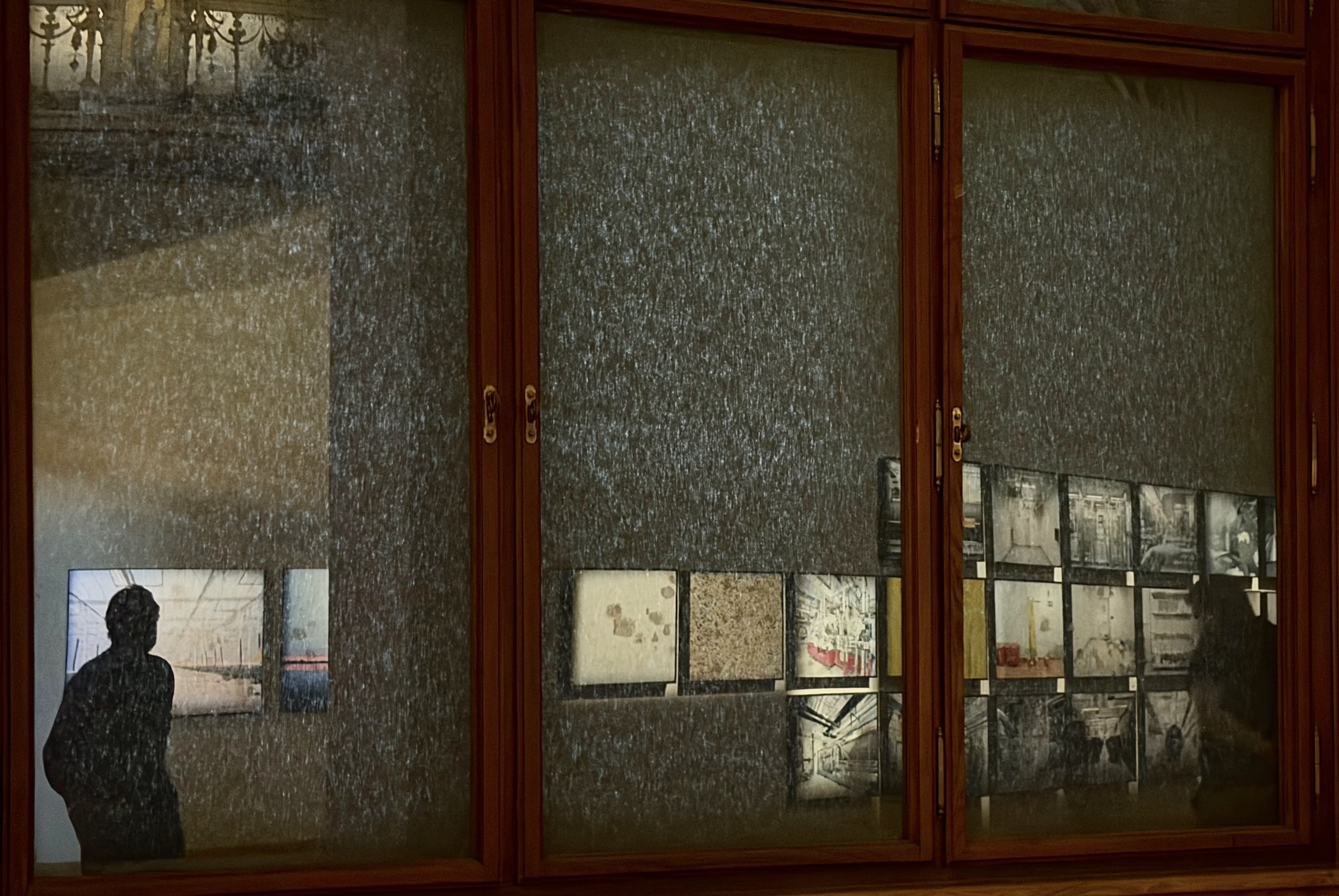
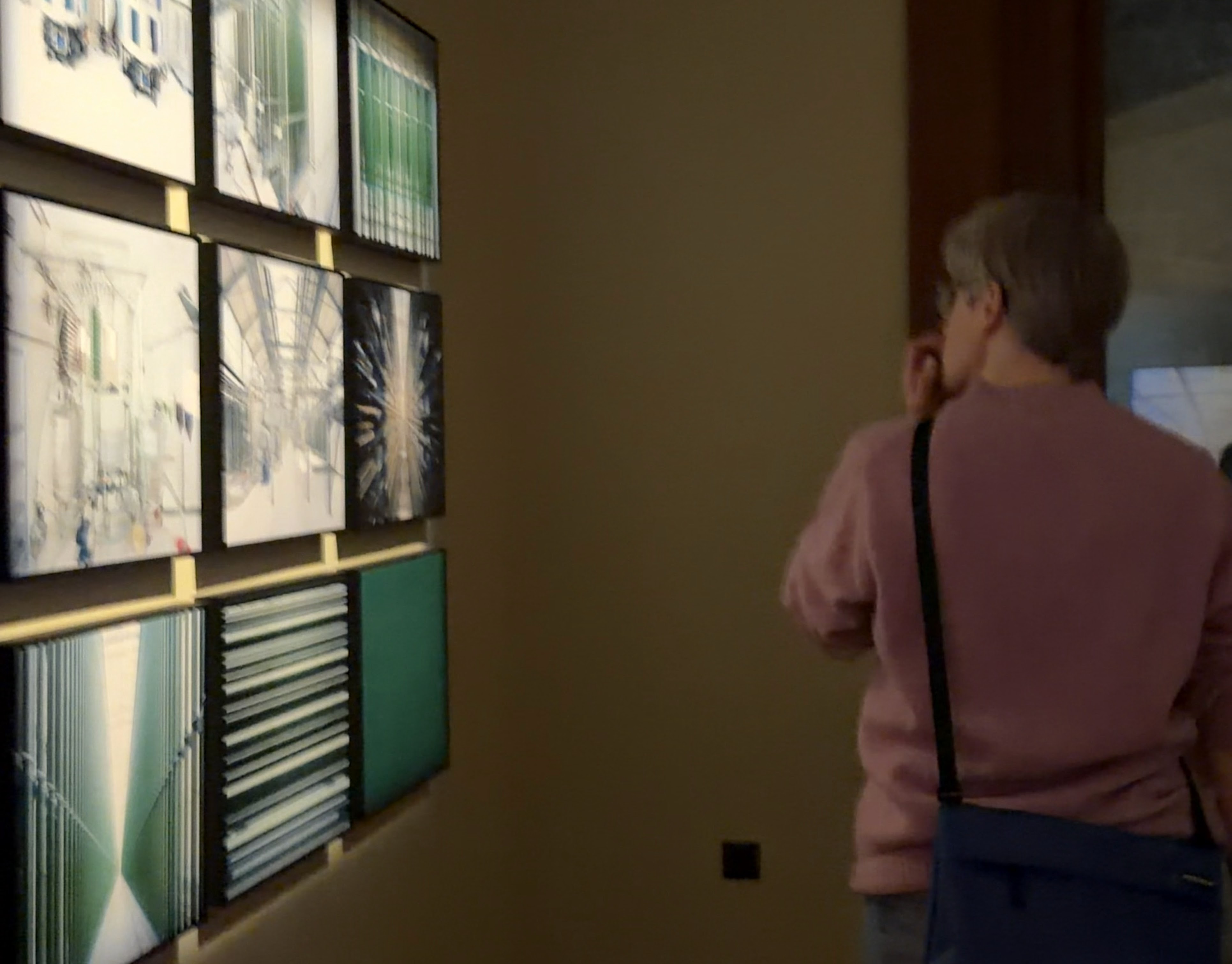
Sailer zeigt Orte, an denen manche unsere Lebensmittel längst entstehen: vertikale Farmen, Aquakulturen, industrielle Tierhaltung, Hightech-Gewächshäuser. Systeme, in denen Licht, Temperatur, Wasser und Nährstoffe exakt gesteuert werden. Landwirtschaft wird zur industriellen Infrastruktur. Darin liegt eine seltsame Faszination.
Die Bilder wirken auf den ersten Blick wie filmische Fantasiewelten. Gleichzeitig weiß man: Das ist keine Zukunft. Das ist Gegenwart.
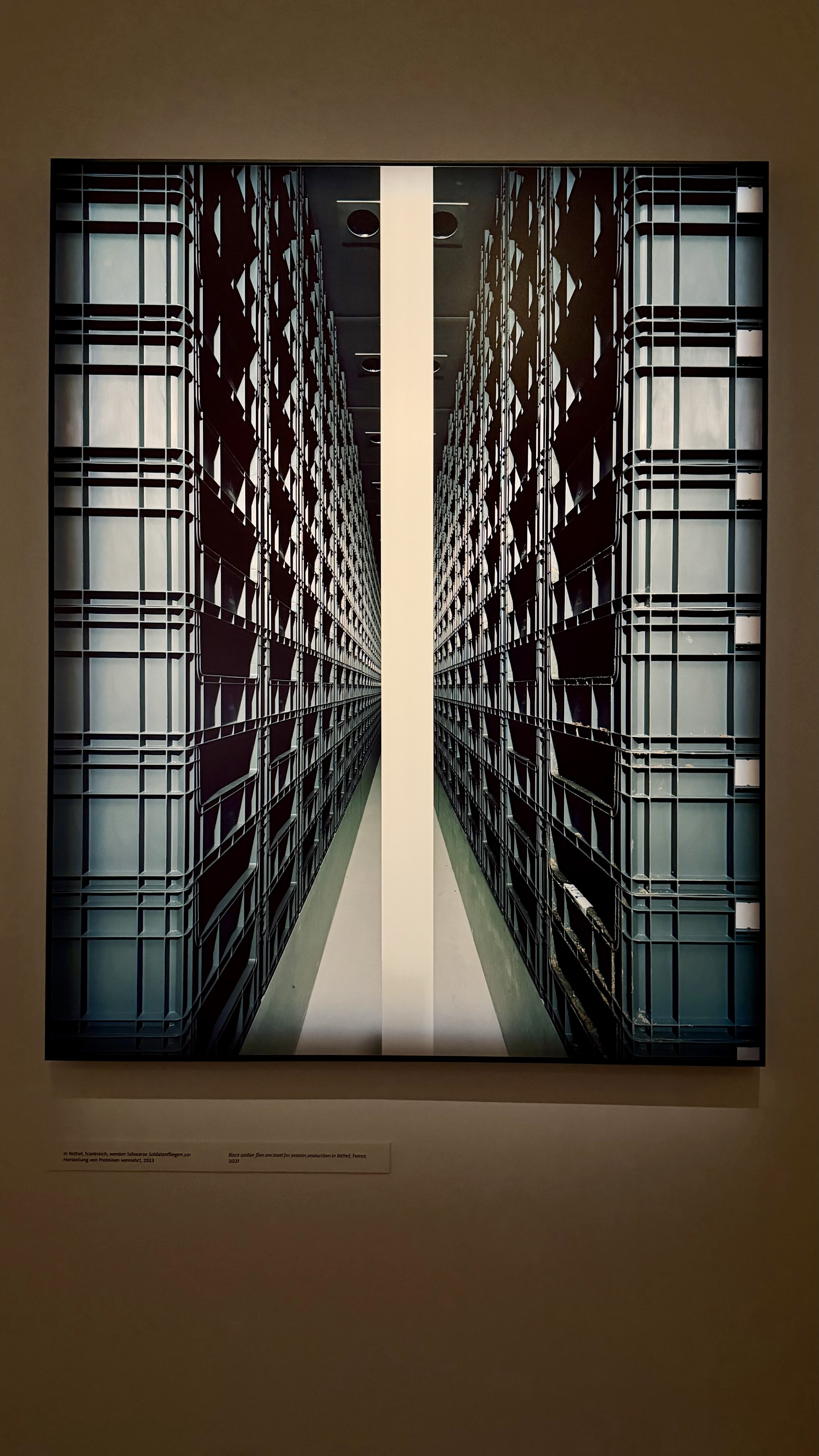
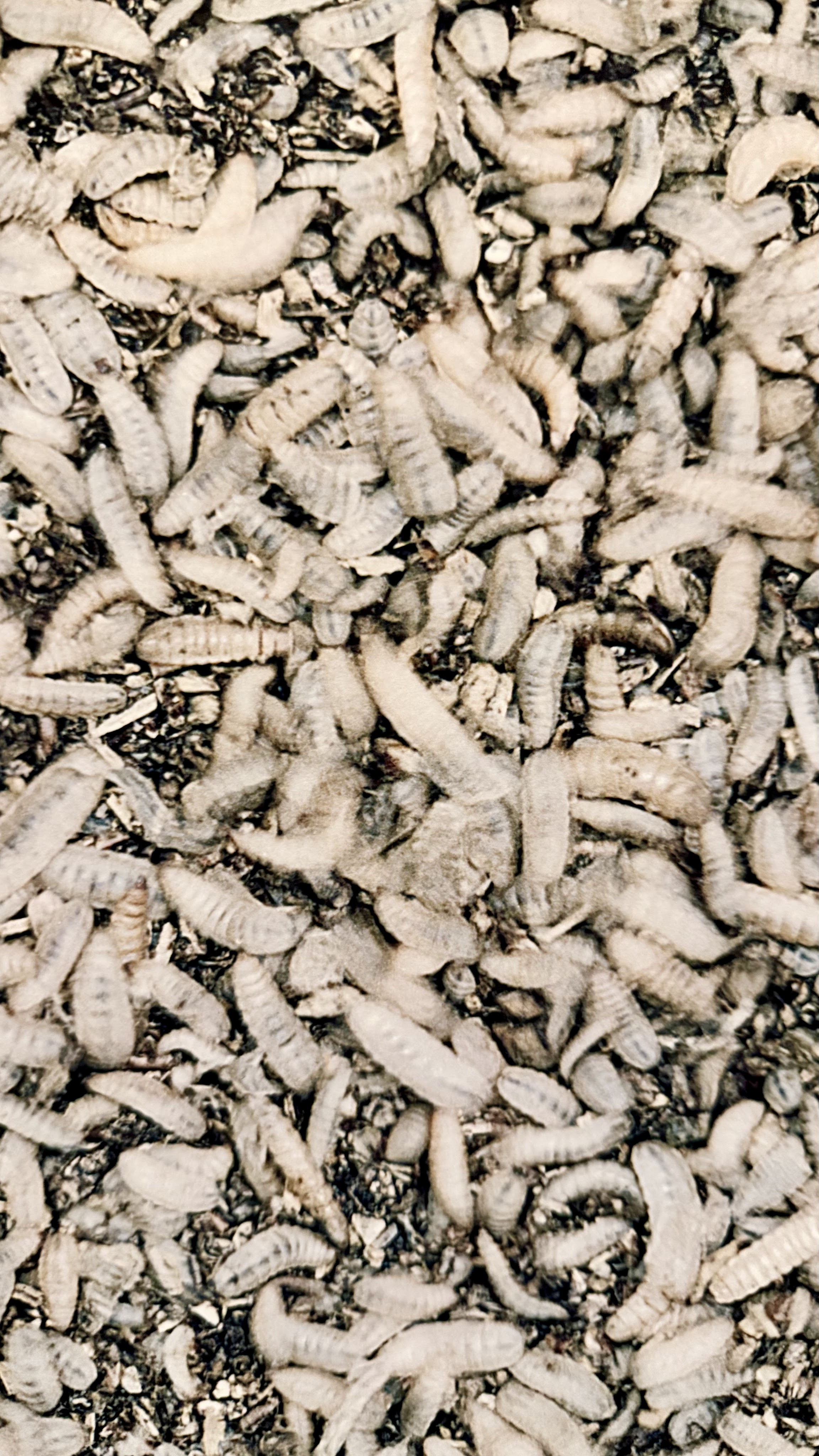
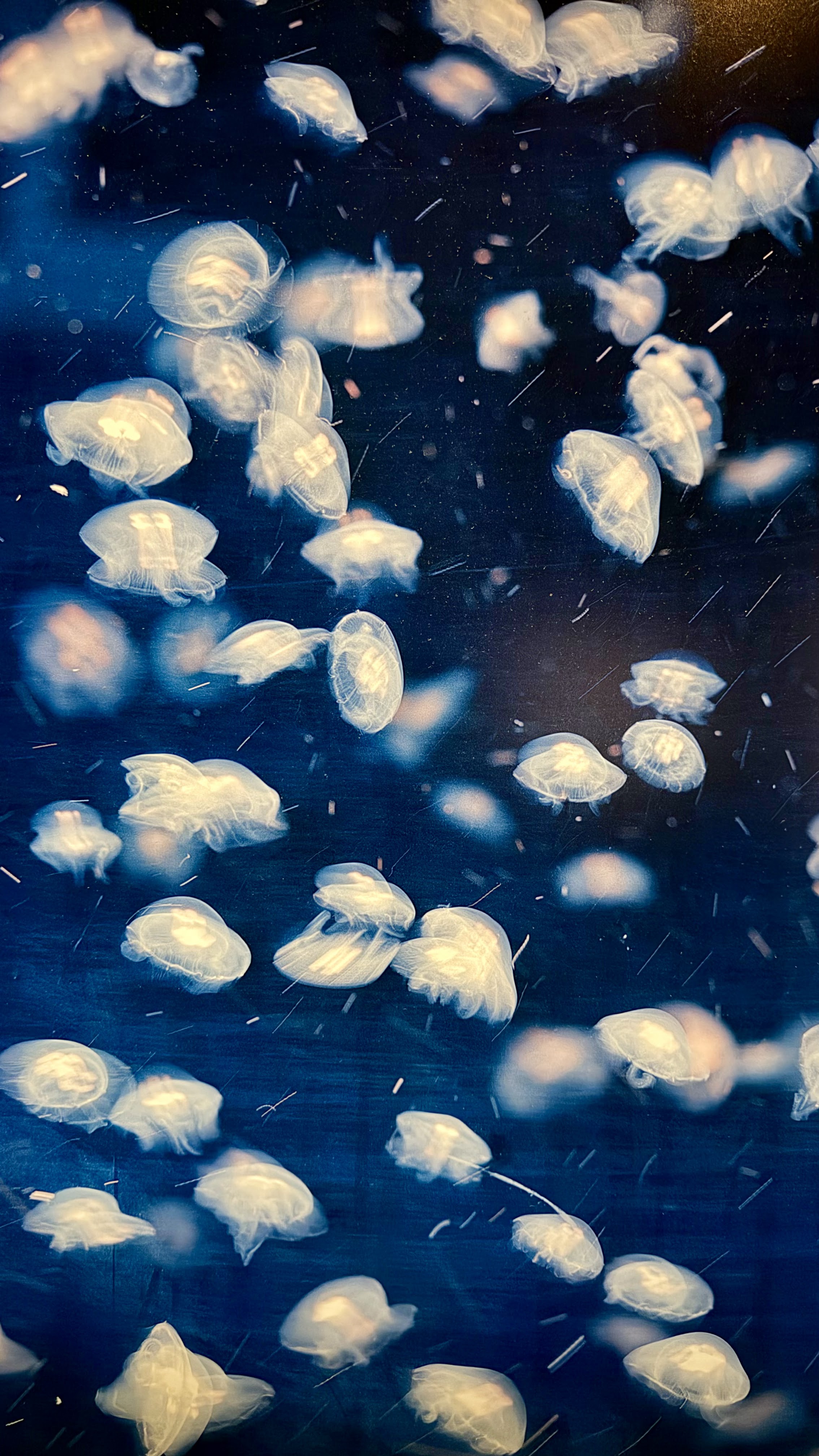
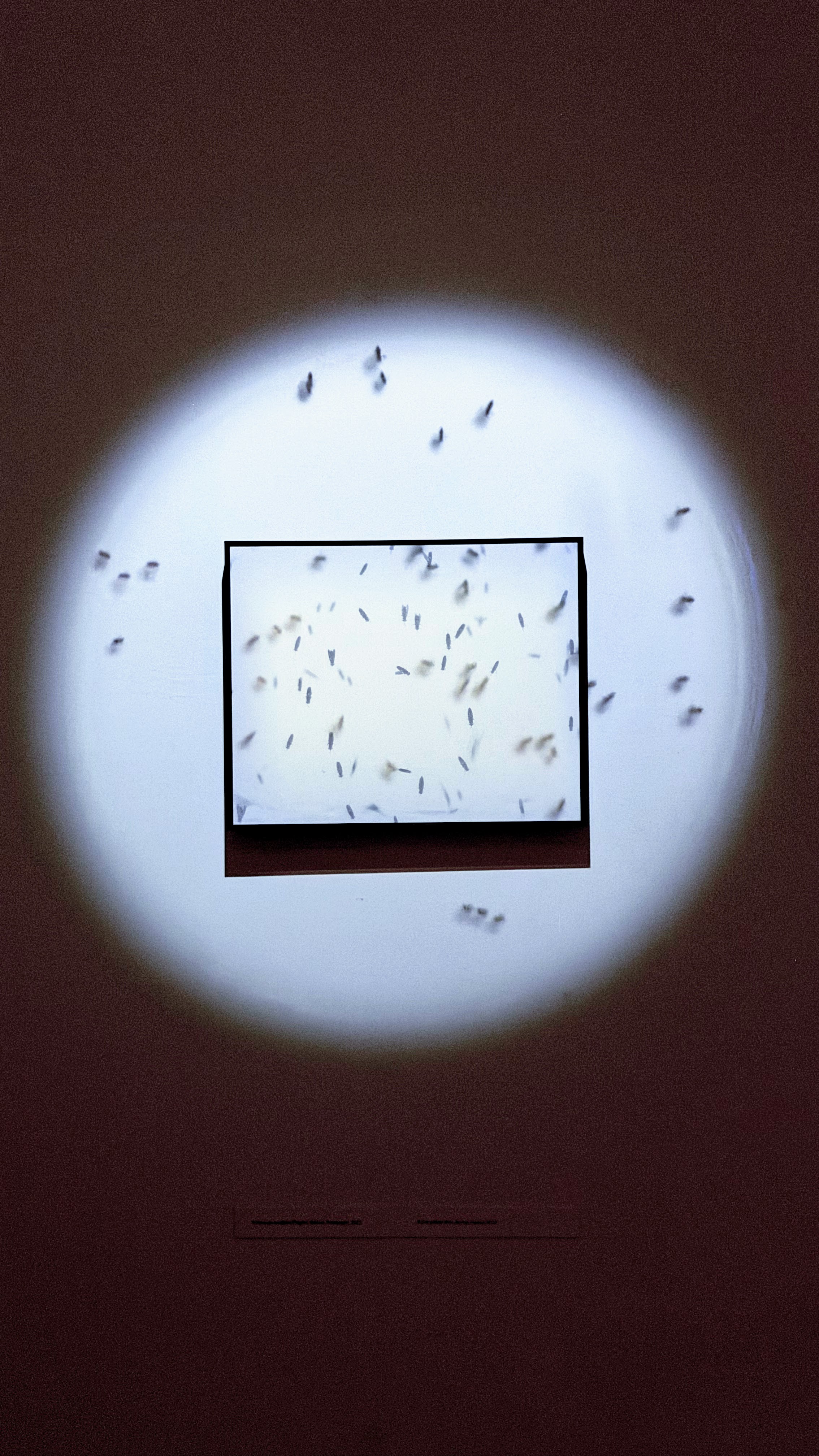
Der Titel „Cockaigne“ stammt aus dem Mittelalter und beschreibt das Schlaraffenland – einen Ort des Überflusses, an dem Nahrung jederzeit verfügbar ist, ohne Mühe. Heute basiert dieser Überfluss nicht mehr auf Fantasie, sondern auf globalen Produktionsketten, technologischer Optimierung und permanenter Verfügbarkeit. Nahrung ist jederzeit da – unabhängig von Saison, Ort oder natürlichen Bedingungen. Wir haben uns daran gewöhnt.
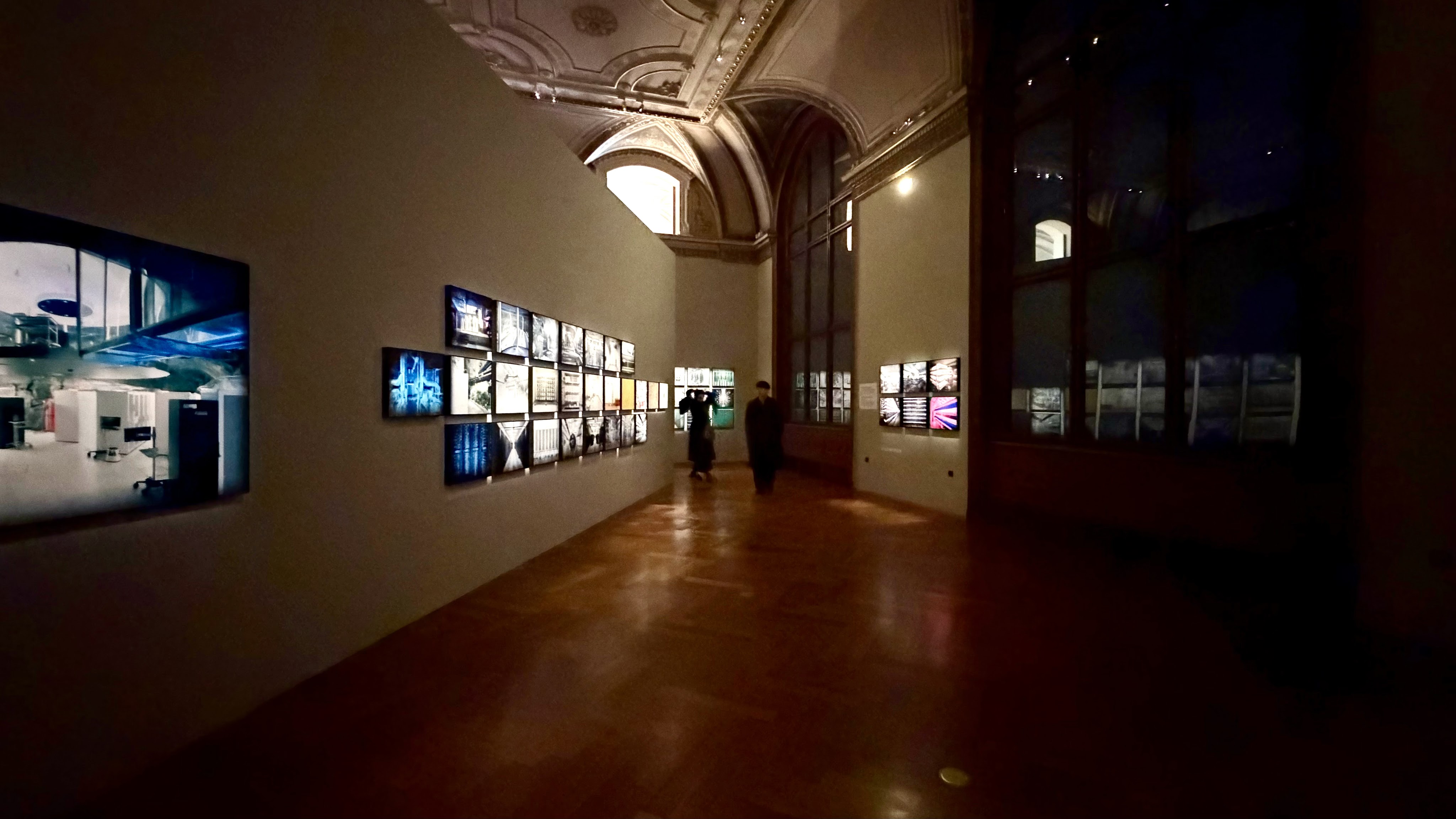
Unser Konsumverhalten schwingt in der Ausstellung mit: Dass es diesen Wandel nicht nur begleitet, sondern antreibt. Wir erwarten Auswahl, Perfektion und Verfügbarkeit – und die Systeme liefern.
Was ist die Botschaft der Ausstellung? Kein klares Urteil. Kein erhobener Zeigefinger. Eher ein stilles Bewusstsein dafür, wie weit wir uns bereits von der Idee entfernt haben, dass Nahrung etwas ganz Natürliches ist. Und dass dieses neue „Schlaraffenland“ nicht nur existiert – sondern erschreckend perfekt auf uns zugeschnitten ist.
Die Ausstellung läuft noch bis zum 19. Juli 2026.
Food, engineered
Yesterday I visited the Natural History Museum Vienna, at the exhibition “Cockaigne. Land of Plenty of the Future?” by Gregor Sailer. A topic that, on paper, sounds about as exciting as a report on agricultural policy: the future of food production.
But I know Sailer’s work, so from the beginning it was clear to me that the perspective would be unusual and compelling. And then I found myself standing in front of images that look more like science fiction than agriculture.
Last year I had the pleasure of taking part in a workshop with Gregor Sailer. Gaining insight into his working process was extremely interesting. He works at the intersection of art, science and architecture – and this is evident in his images. Often, years of research precede the actual act of photographing. He gains access to places that are normally inaccessible and makes these closed worlds visible. His projects are marked by remarkable consistency, clarity and a calm visual language. (He also began his education at the Prague School of Photography Austria – which I personally appreciate, as I have just completed my diploma year there myself.)
The exhibition space is darkened, the photographs glow clearly and precisely from the walls. Everything is extremely controlled, almost clinically clean in its staging. Just like the utopian-looking food production systems that Sailer has captured here. His well-known photographic precision makes the impact even stronger.
“Our supermarket shelves are overflowing with delicious and affordable food. We no longer have to cultivate the soil or sow seeds, harvest grain, grind flour or bake bread. The breeding and slaughtering of animals, the catching of fish – all of this is done for us. But is our modern land of plenty not just another illusion that distracts us from the emptiness of our everyday lives?”
David Julian McClements on Gregor Sailer’s work
Sailer shows places where our food is produced today – or has long been produced: vertical farms, aquaculture facilities, industrial animal farming, high-tech greenhouses. Systems in which light, temperature, water and nutrients are precisely controlled. Agriculture becomes infrastructure. There is a strange fascination in that.
At first glance, the images appear almost utopian. At the same time, you know: this is not the future. This is the present. From high-rise buildings for mealworms to jellyfish or soldier flies – everything is already being used for the food of the not-so-distant future.
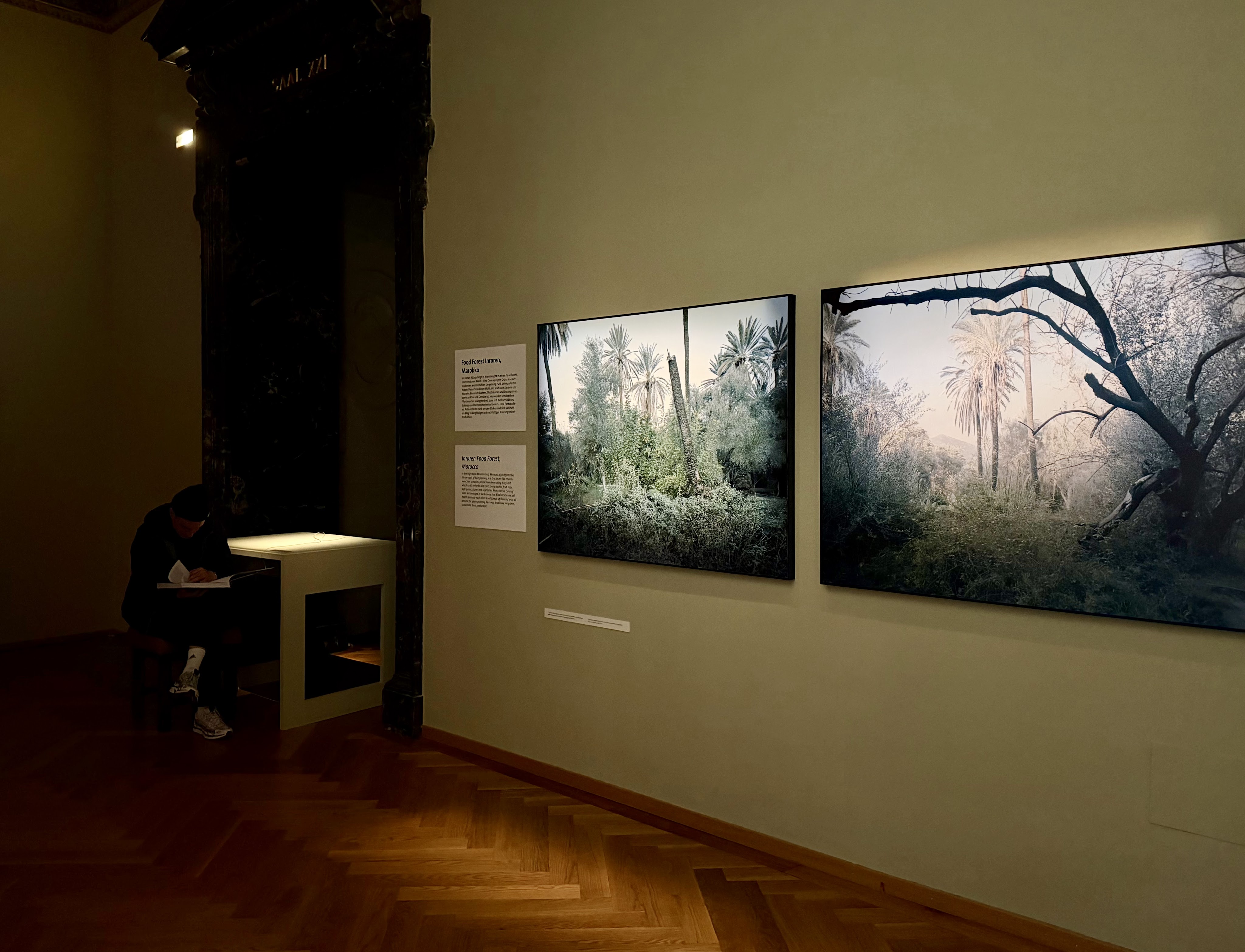
The title “Cockaigne” comes from the Middle Ages and describes the land of plenty – a place of abundance where food is always available, without effort. Today, this abundance is no longer based on fantasy, but on global production chains, technological optimization and constant availability. Food is always there – regardless of season, location or natural conditions. We have become used to it.
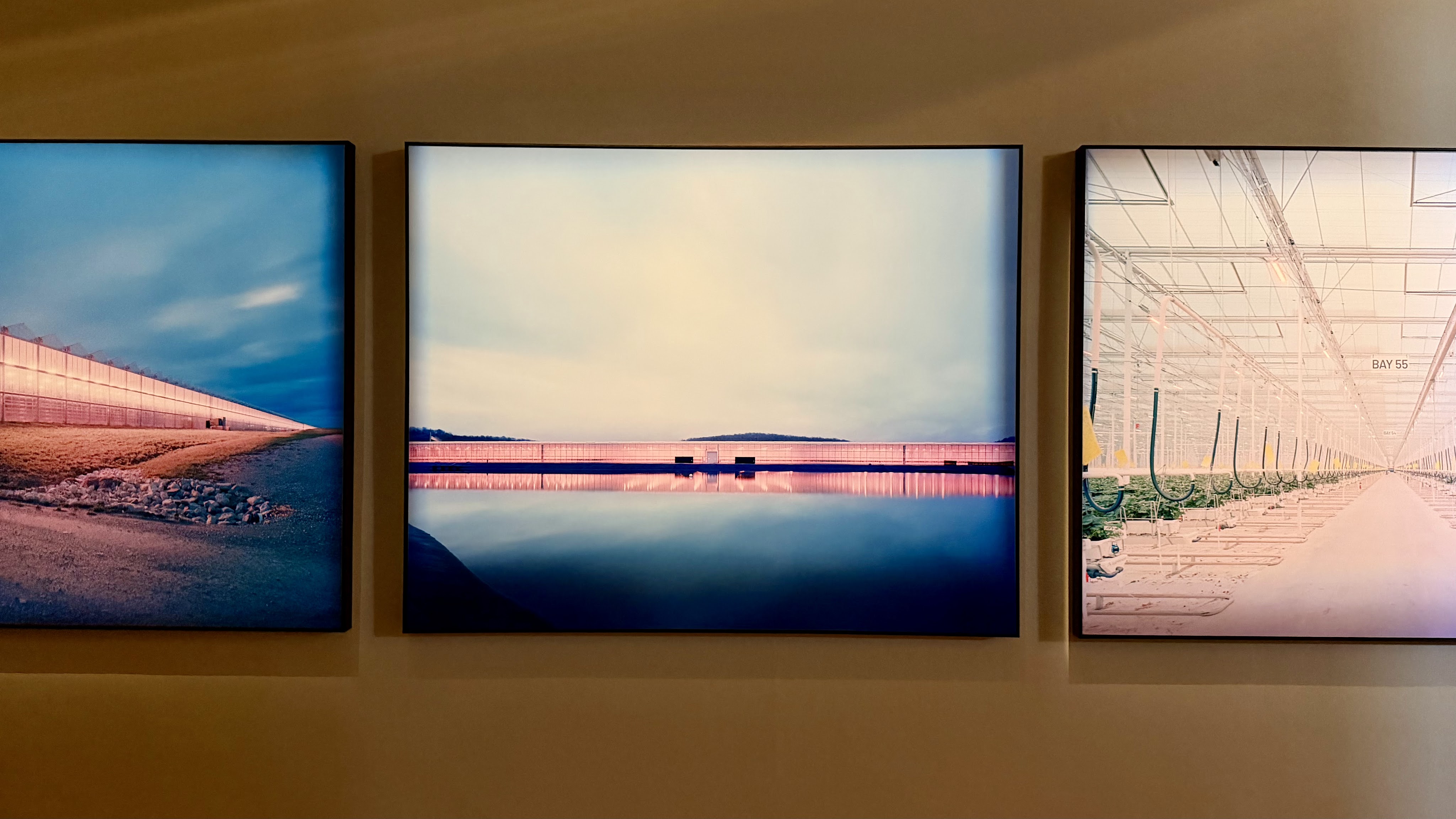
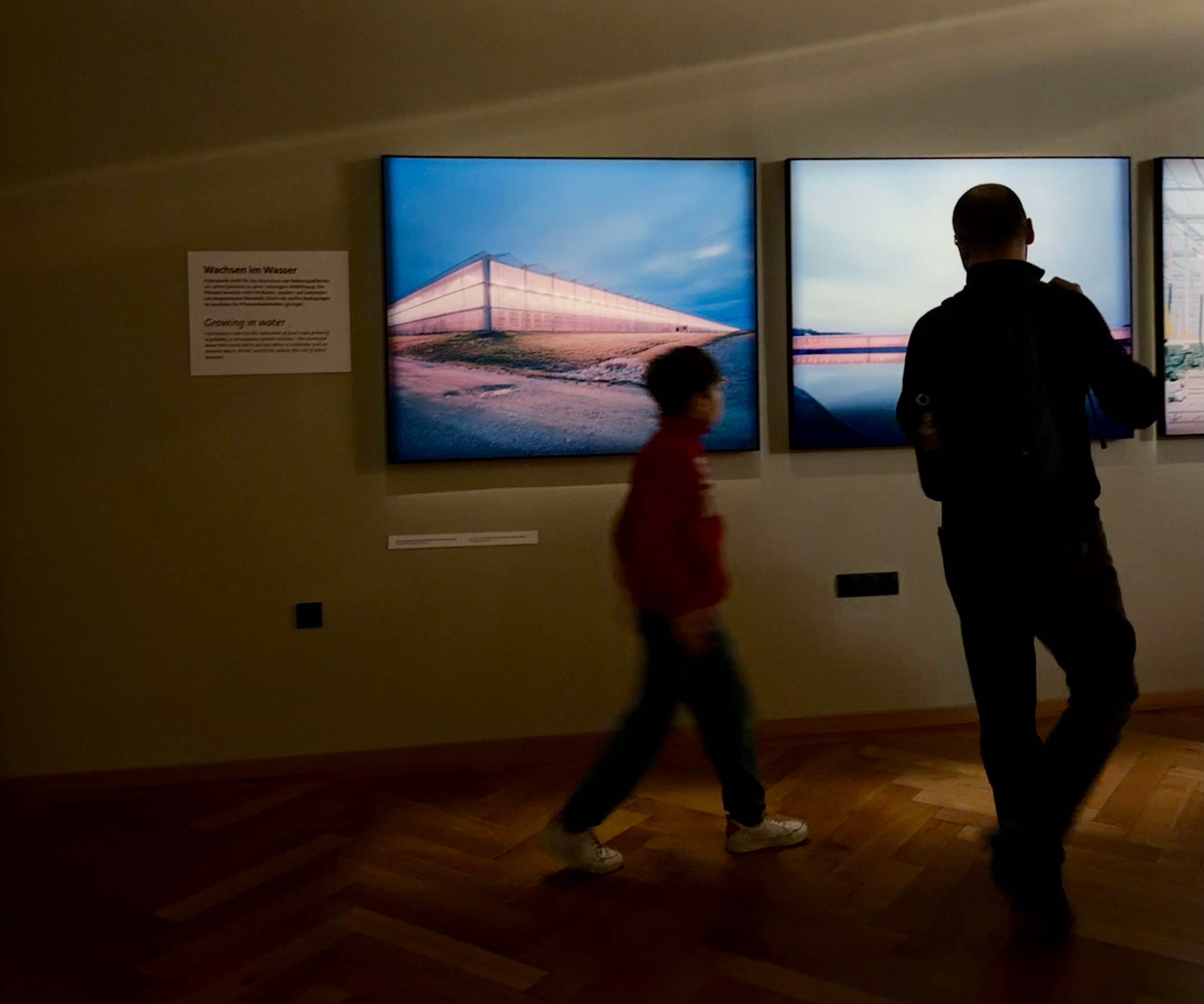
Our consumption behavior resonates throughout the exhibition: it not only accompanies the transformation of food production, but actively drives it. We expect variety, perfection and availability – and the systems deliver.
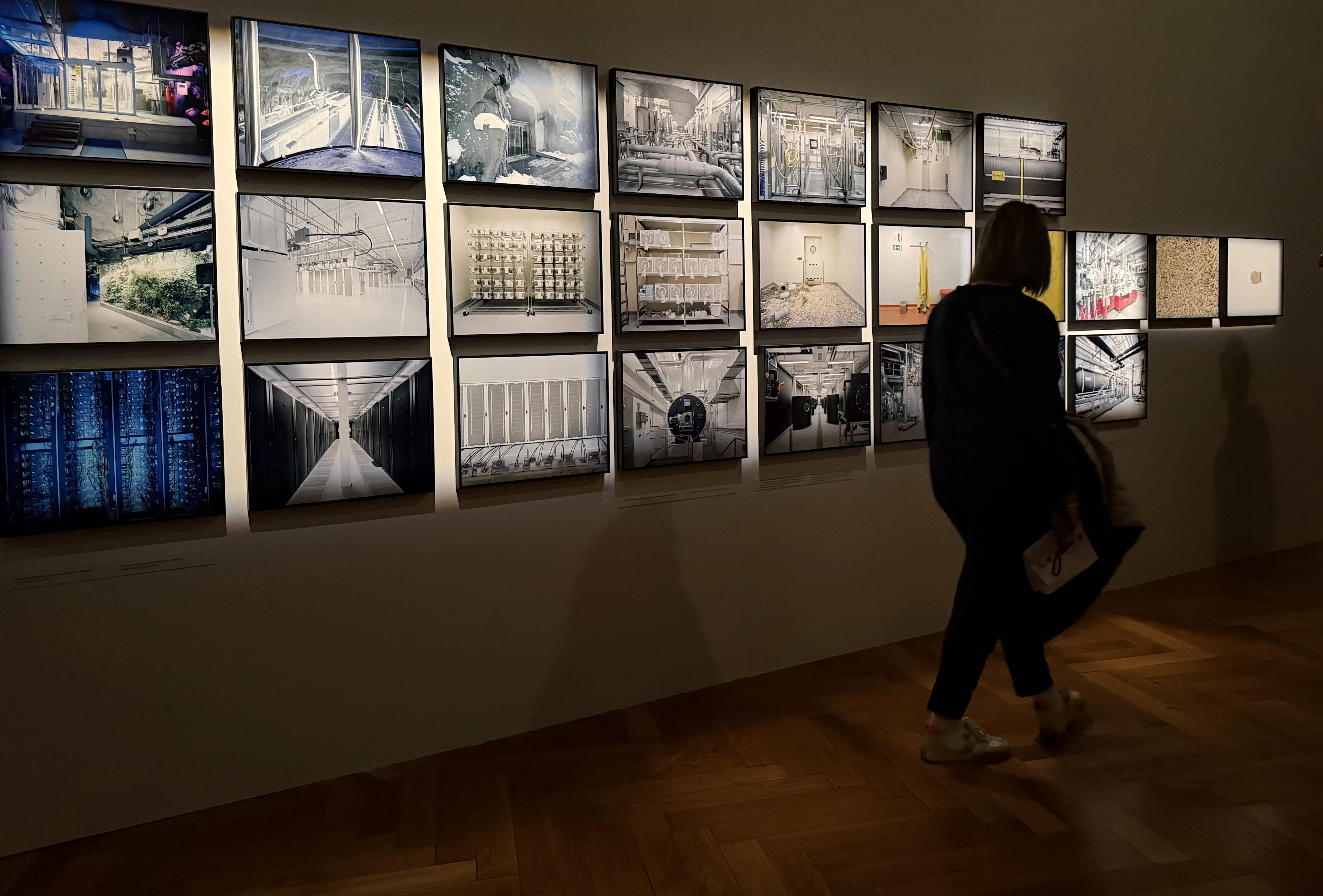
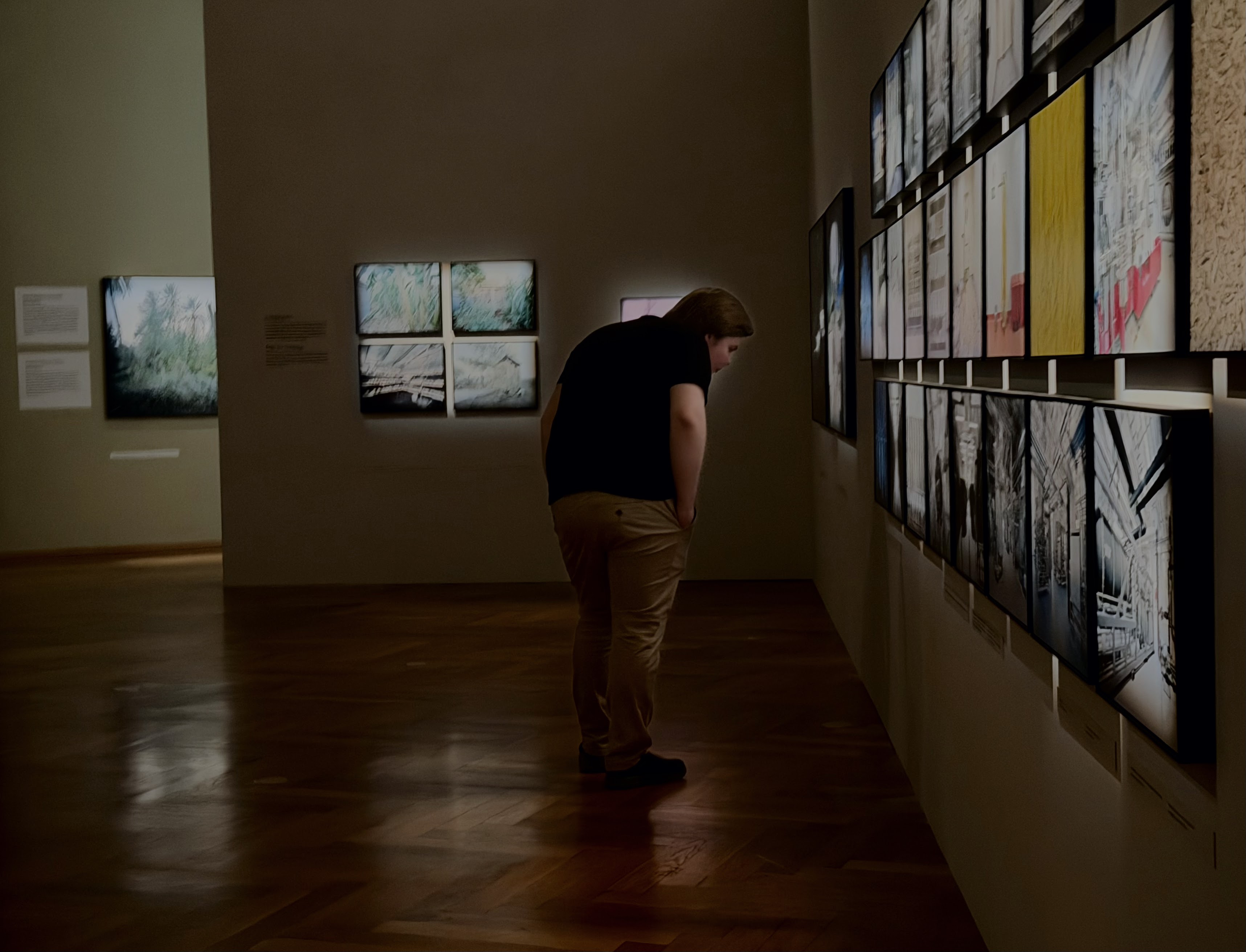
So is there a message in the exhibition? No clear judgment. No raised finger. Rather a quiet awareness of how far we have already moved away from the idea that food is something natural. And that this new “land of plenty” not only exists – but is unsettlingly perfect for us.
The exhibition runs only until 19 July 2026.
EXHIBITION PHOTOS © KARIN SVADLENAK
 ViennaCultgram