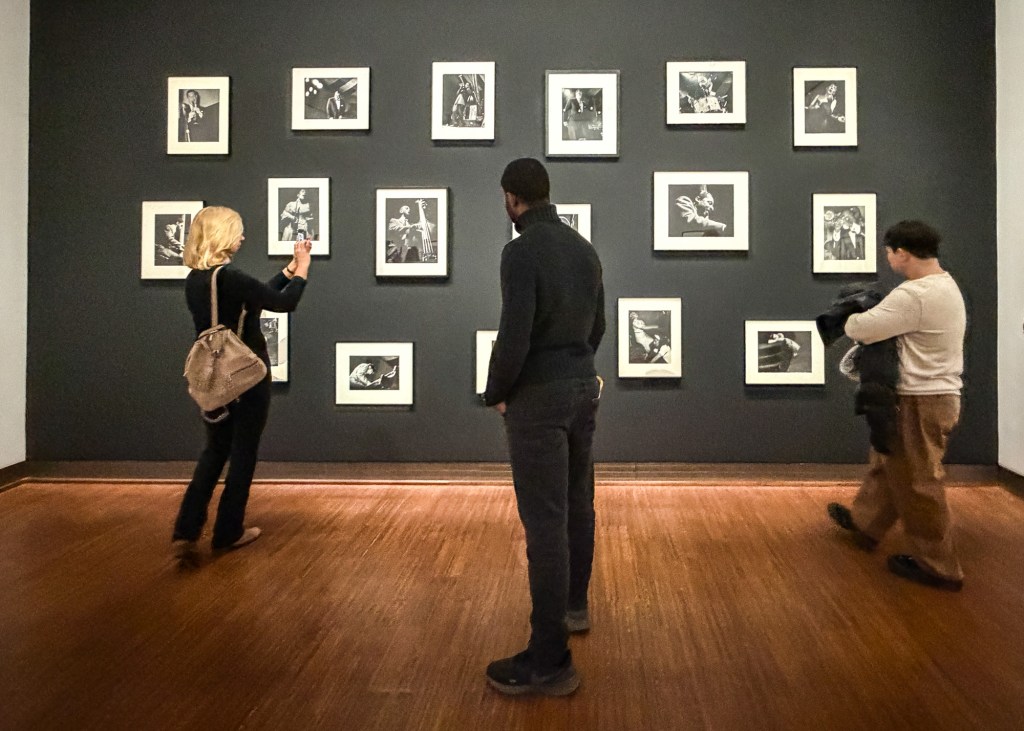
Time to look: Lisette Model at the Albertina
(Scroll down for the English text.)
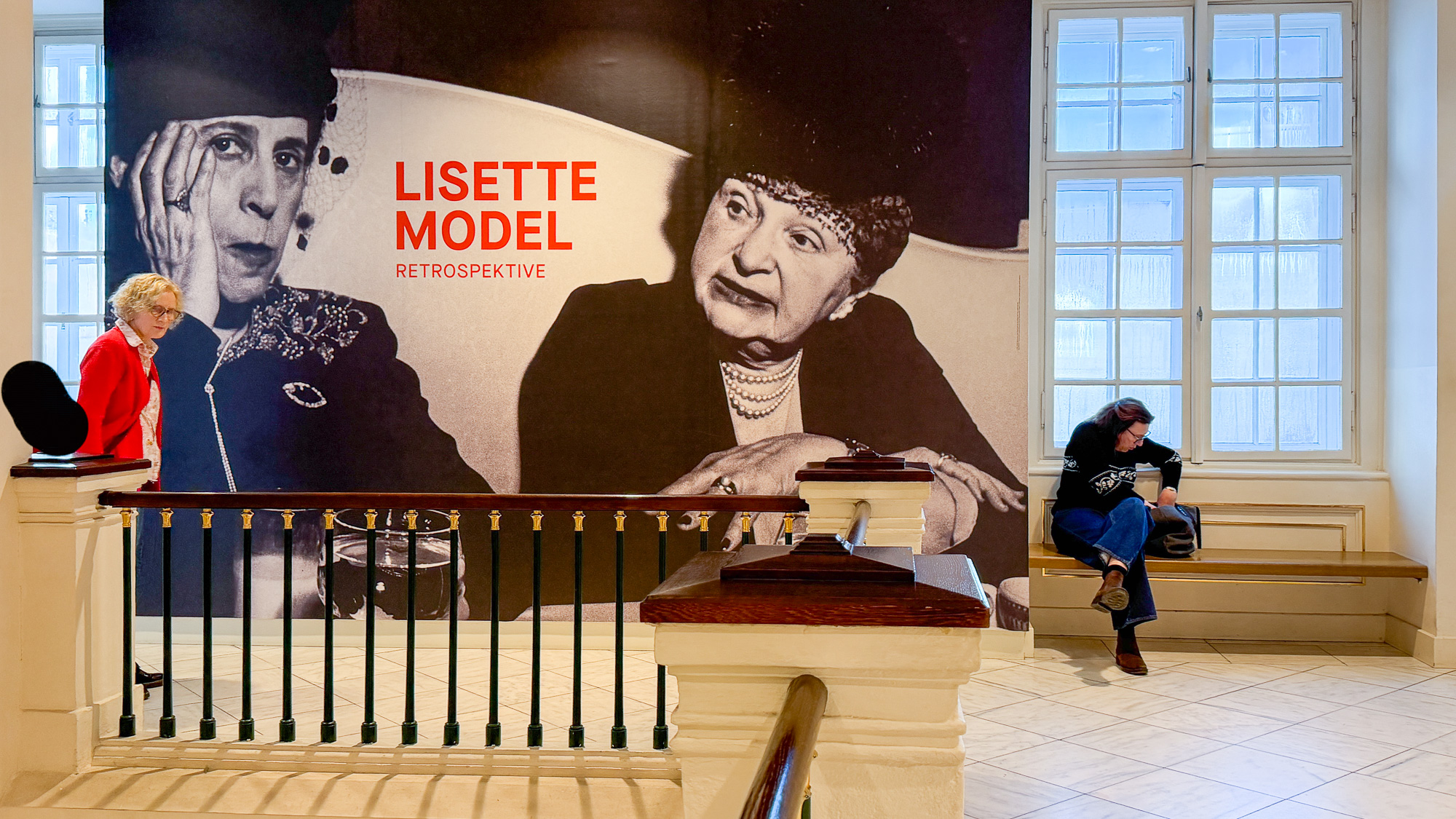
Zum ersten Mal seit Tagen, vielleicht seit Wochen, war wieder Raum. Kein Termin, kein Nachhall von Weihnachten, keine To-do-Liste im Kopf. Stattdessen die Albertina mit einer großen Lisette Model retrospective (1901–1983). Es war genau der richtige Moment für diese Ausstellung.
Lisette Model ist keine Fotografin für flüchtige Blicke. Man geht nicht „schnell durch“. Man bleibt stehen. Man wird langsamer. Und man merkt ziemlich rasch: Diese Bilder wollen nicht gefallen. Sie wollen etwas anderes – gesehen werden, wirklich gesehen.
Nähe, die nicht tröstet
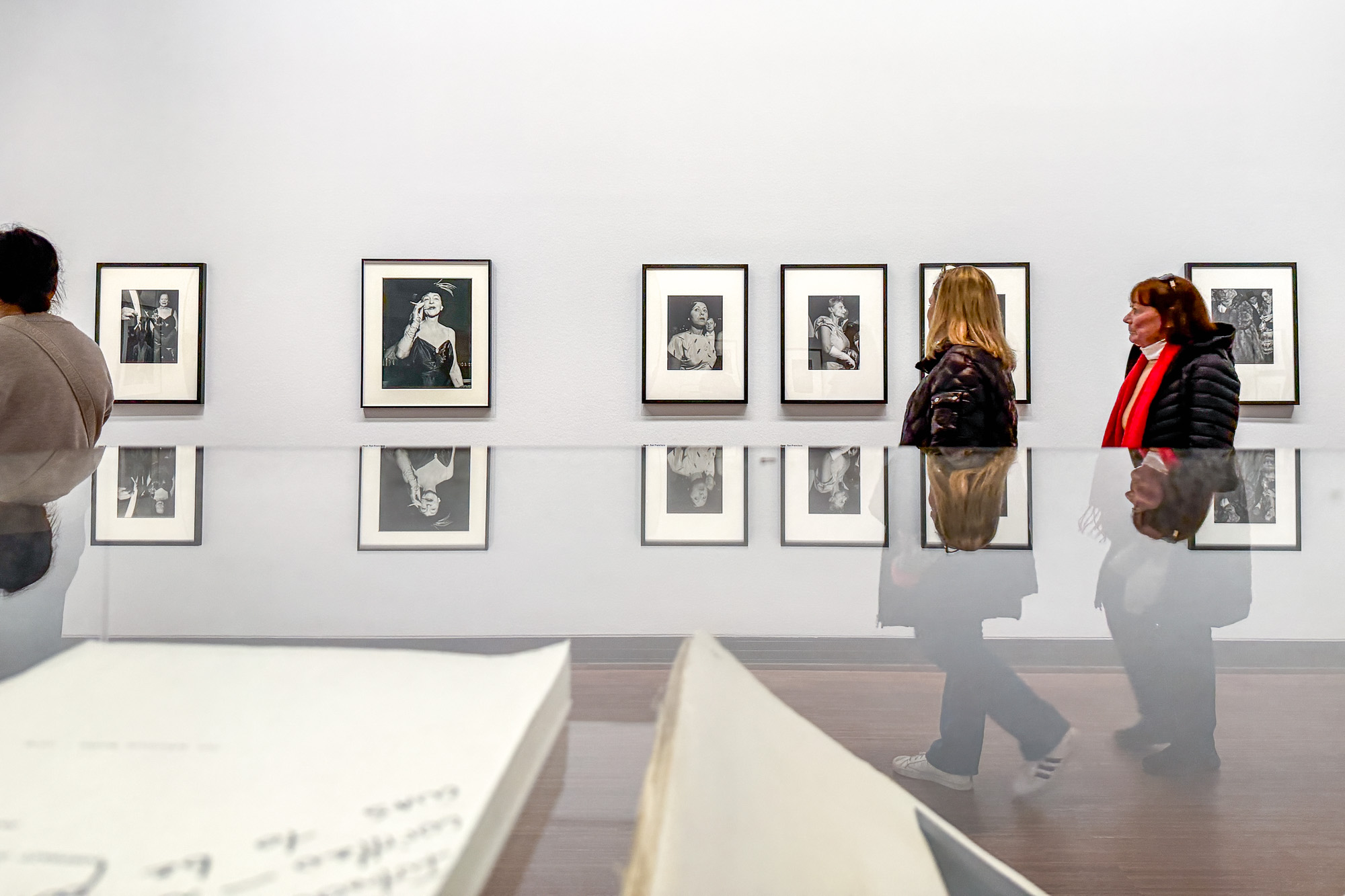
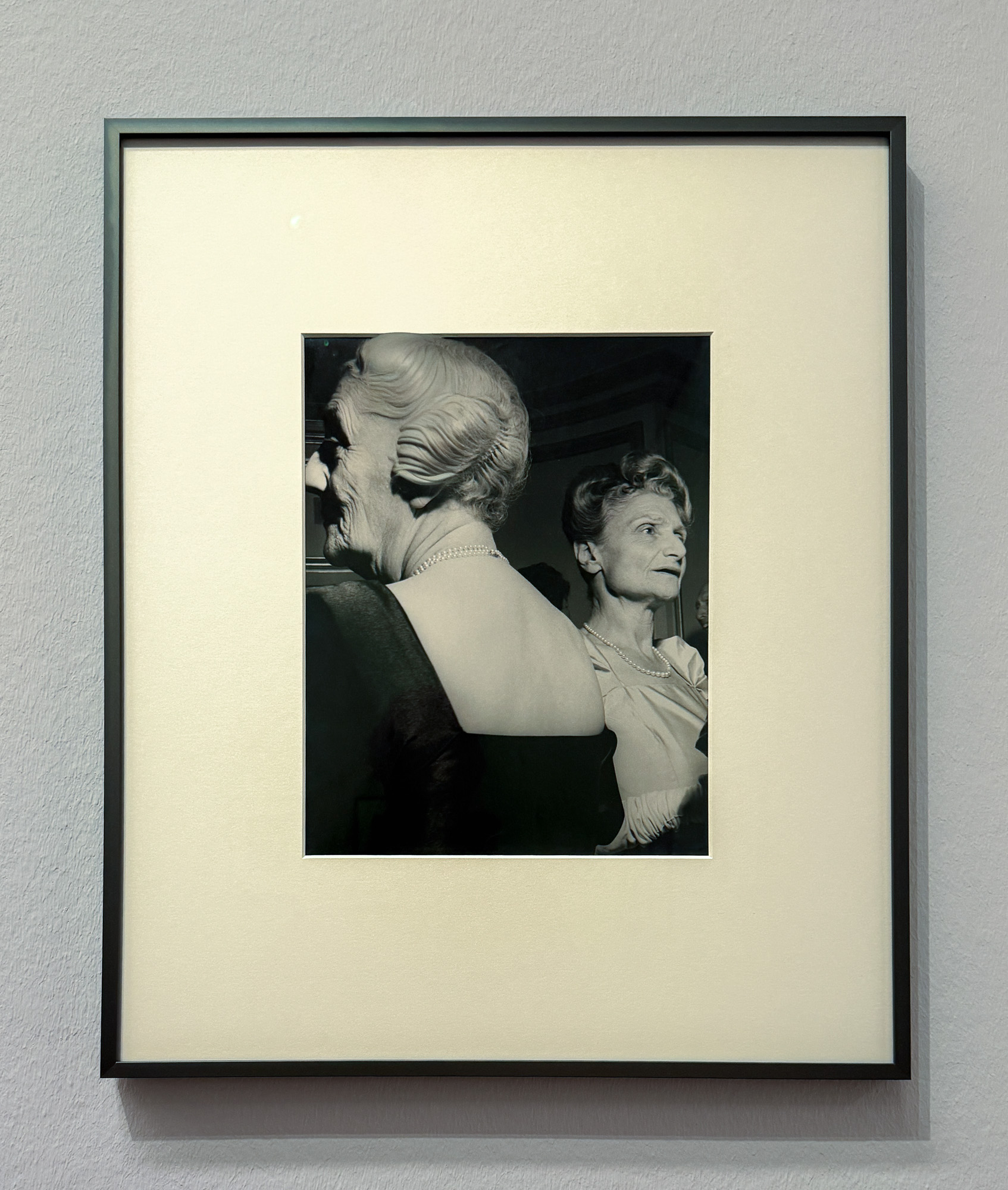
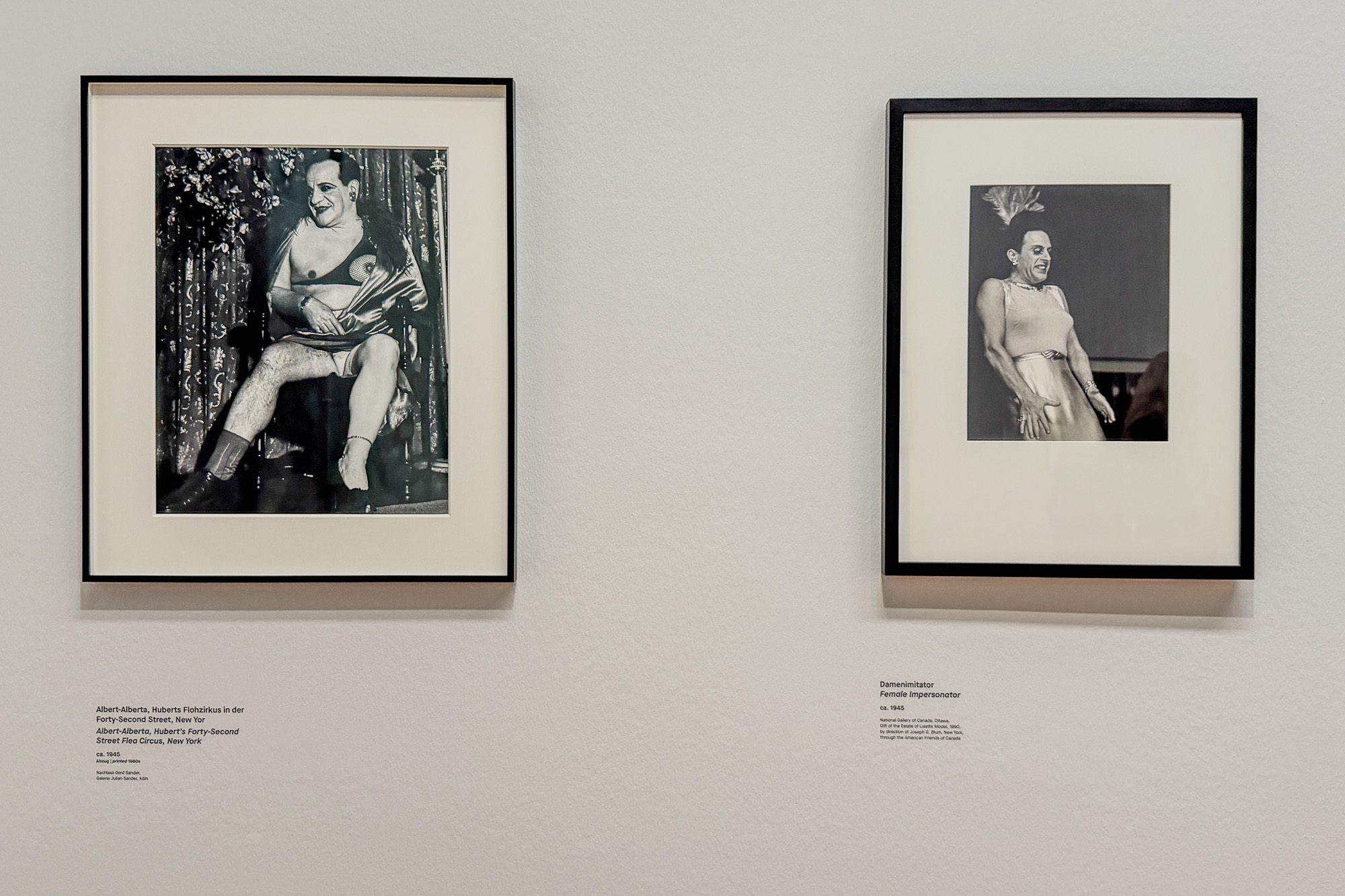
Models Fotografien sind nah. Ziemlich unangenehm nah. Gesichter, Körper, Gesten füllen den Bildraum, oft bis an die Grenze des Erträglichen. Der berühmte enge Zuschnitt, meist erst im Labor entschieden, löst die Menschen aus ihrer Umgebung und konfrontiert die Betrachterin mit voller Präsenz. Es gibt kein Ausweichen. Kein dekoratives Drumherum.
Und doch ist da kein Voyeurismus. Kein Spott. Trotz aller Härte liegt in diesen Bildern eine Form von Respekt, sicher oft mit einer guten Dosis Humor oder, je nach Motiv, Gesellschaftskritik. Man spürt, dass hier jemand hinsieht, nicht herabblickt. Hier hängt Spannung – zwischen Schonungslosigkeit und Empathie –, und sie macht das Werk bis heute aktuell.
Frankreich, New York, Lower East Side
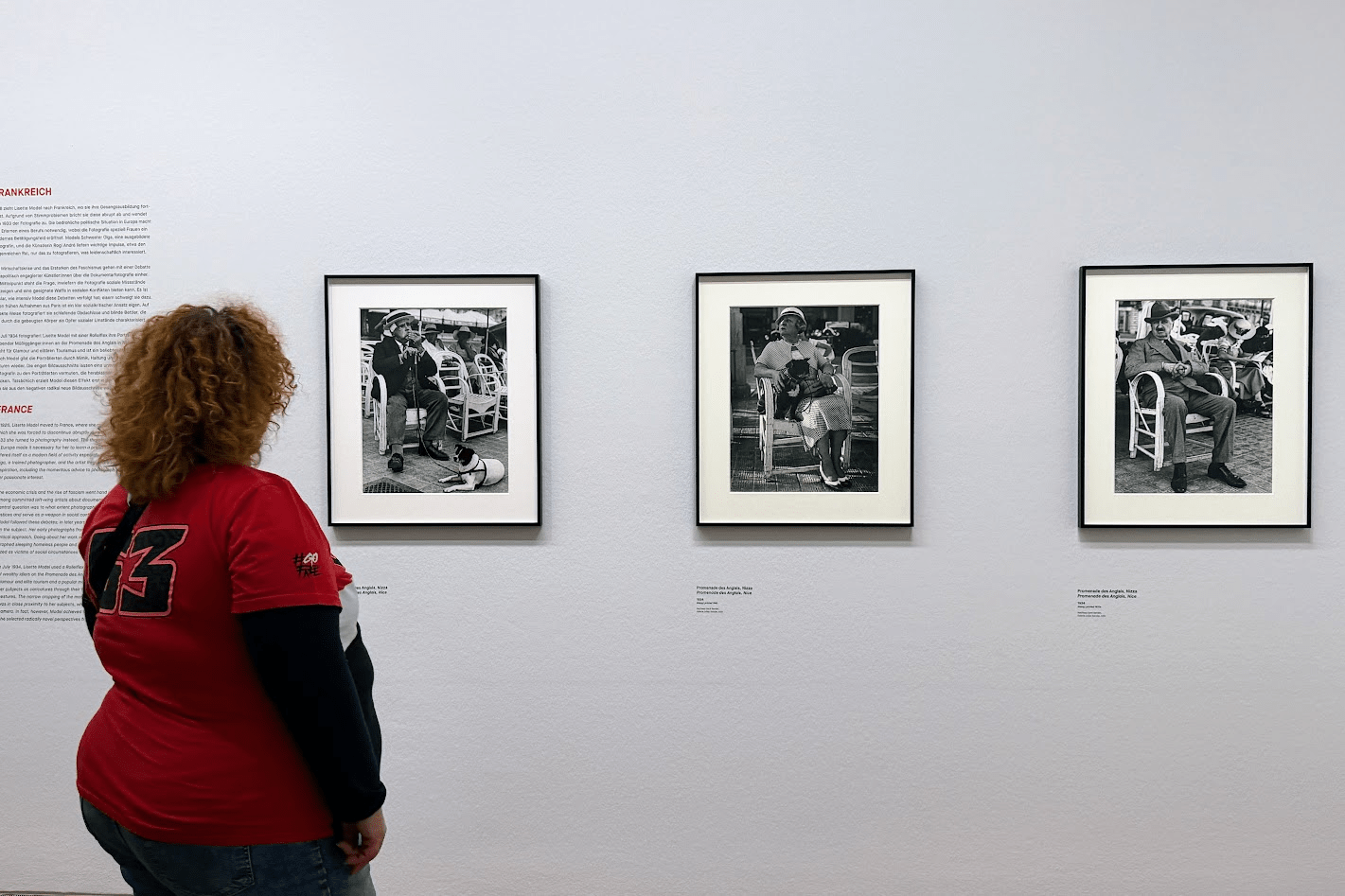
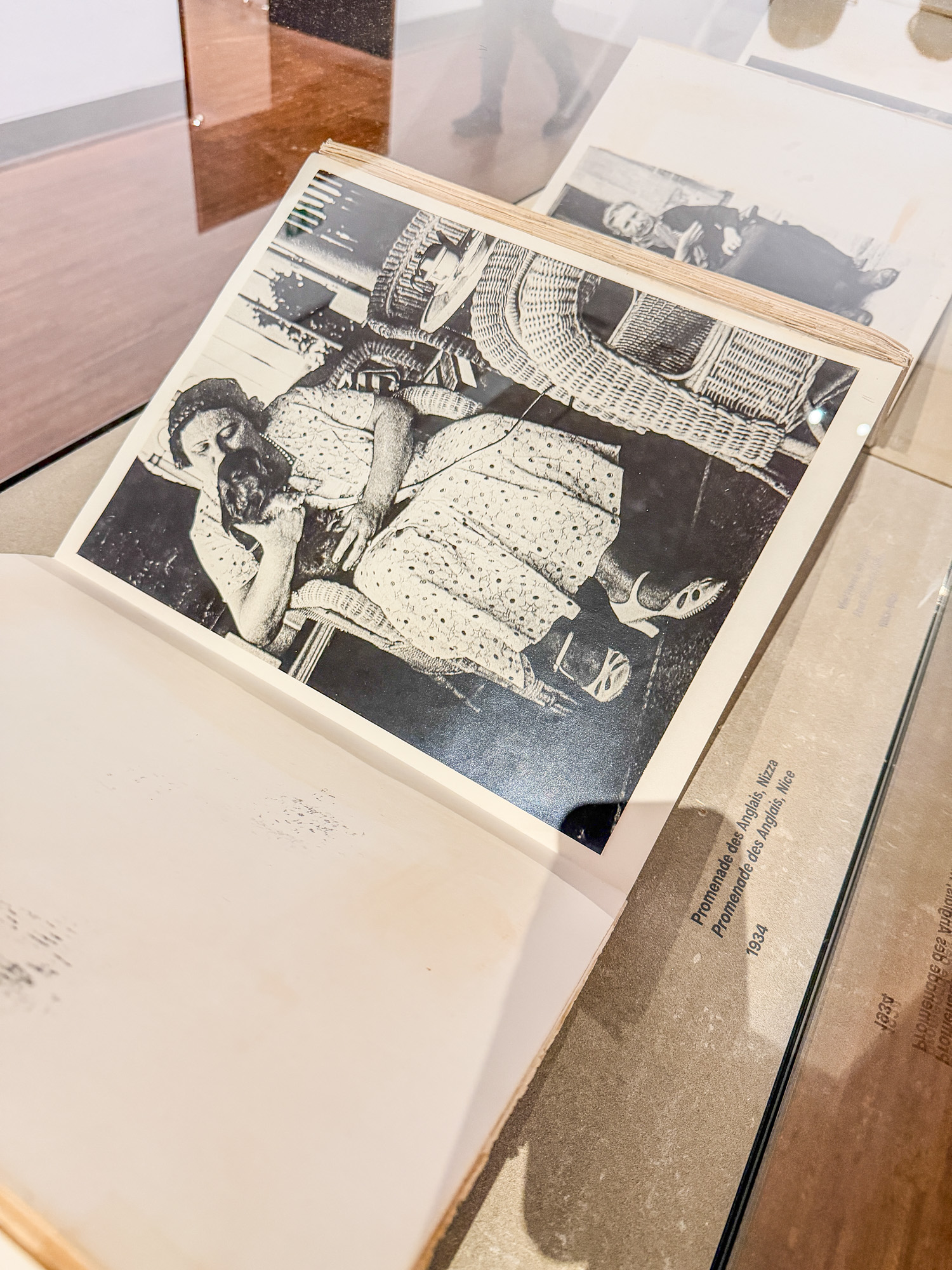
Die Ausstellung folgt Models Lebensstationen, und jede erzählt von einer anderen gesellschaftlichen Bühne. In den frühen Arbeiten aus Frankreich, etwa von der Promenade des Anglais in Nizza, kippt der Glamour ins Groteske. Wohlstand wird zur Pose, Mimik zur Karikatur.
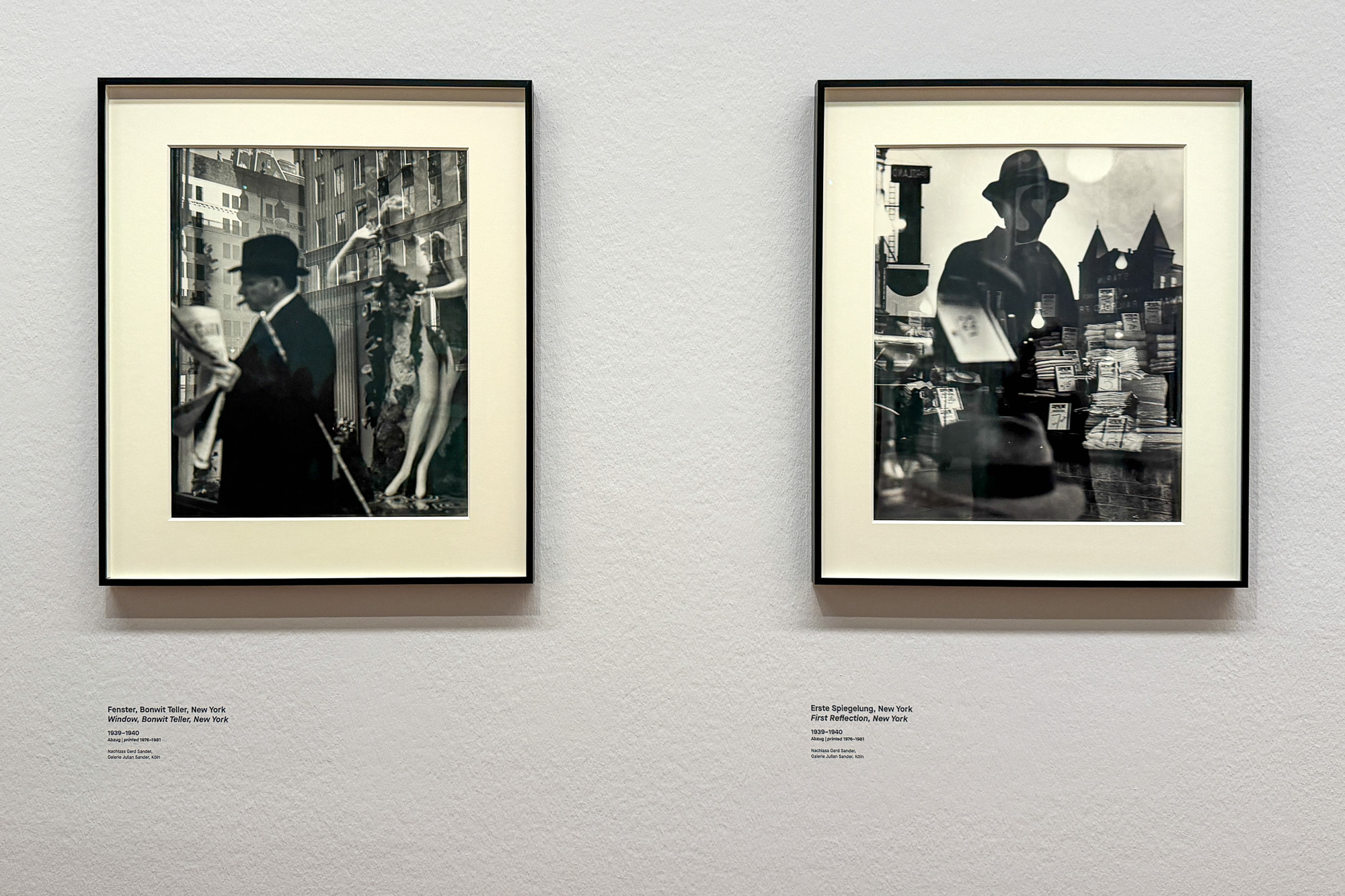
In New York verändert sich der Blick. Spiegelungen in Schaufenstern, Beine im Gedränge, Schatten auf Asphalt. Die Serie Reflections wirkt fast fragmentarisch, Running Legs richtet den Blick bewusst nach unten. Man sieht keine Skyline, sondern Körper im Strom der Stadt. Die Moderne erscheint hier nicht triumphal, sondern ambivalent, überfüllt, nervös.
Nachtleben, Jazz, Intensität
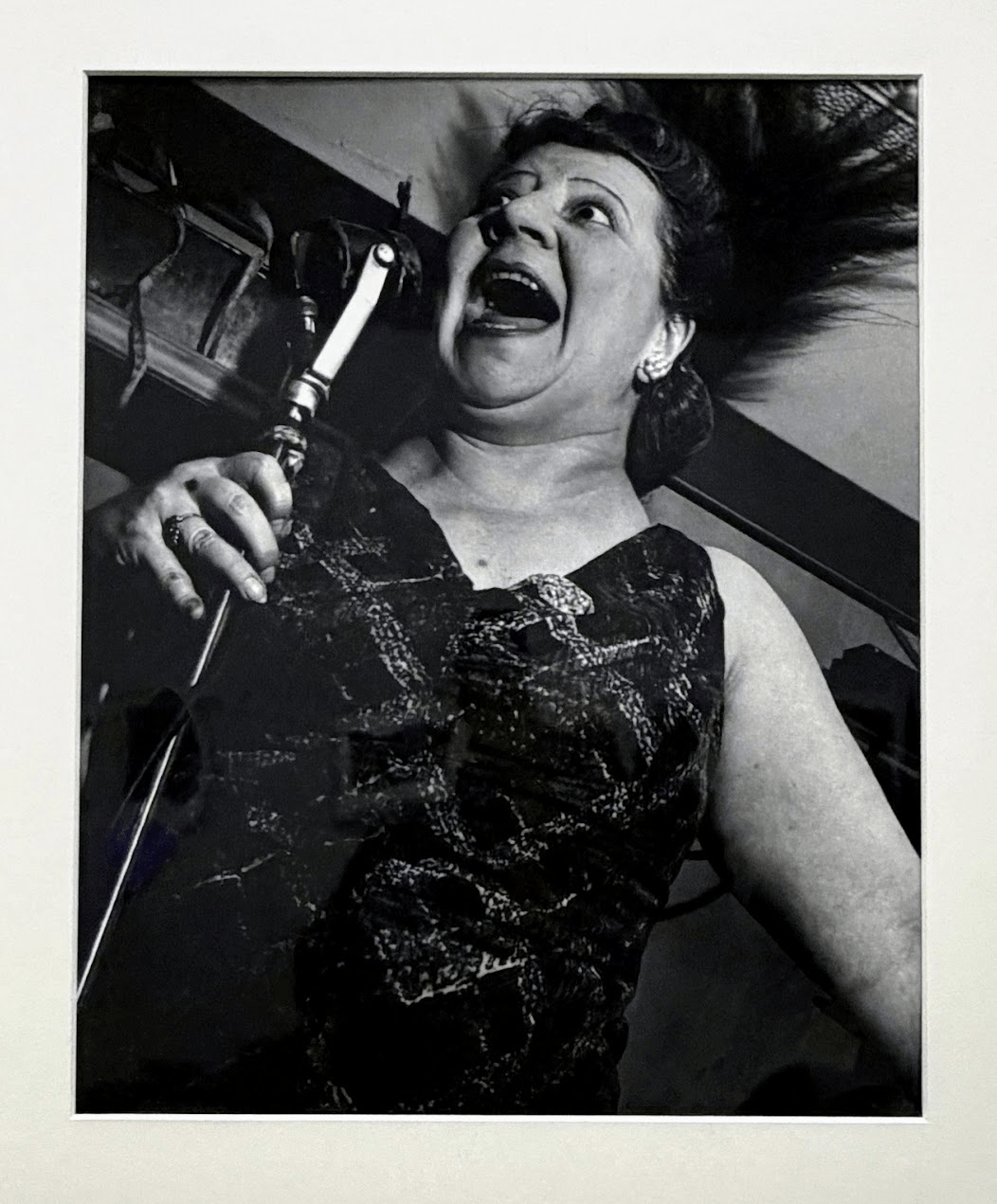
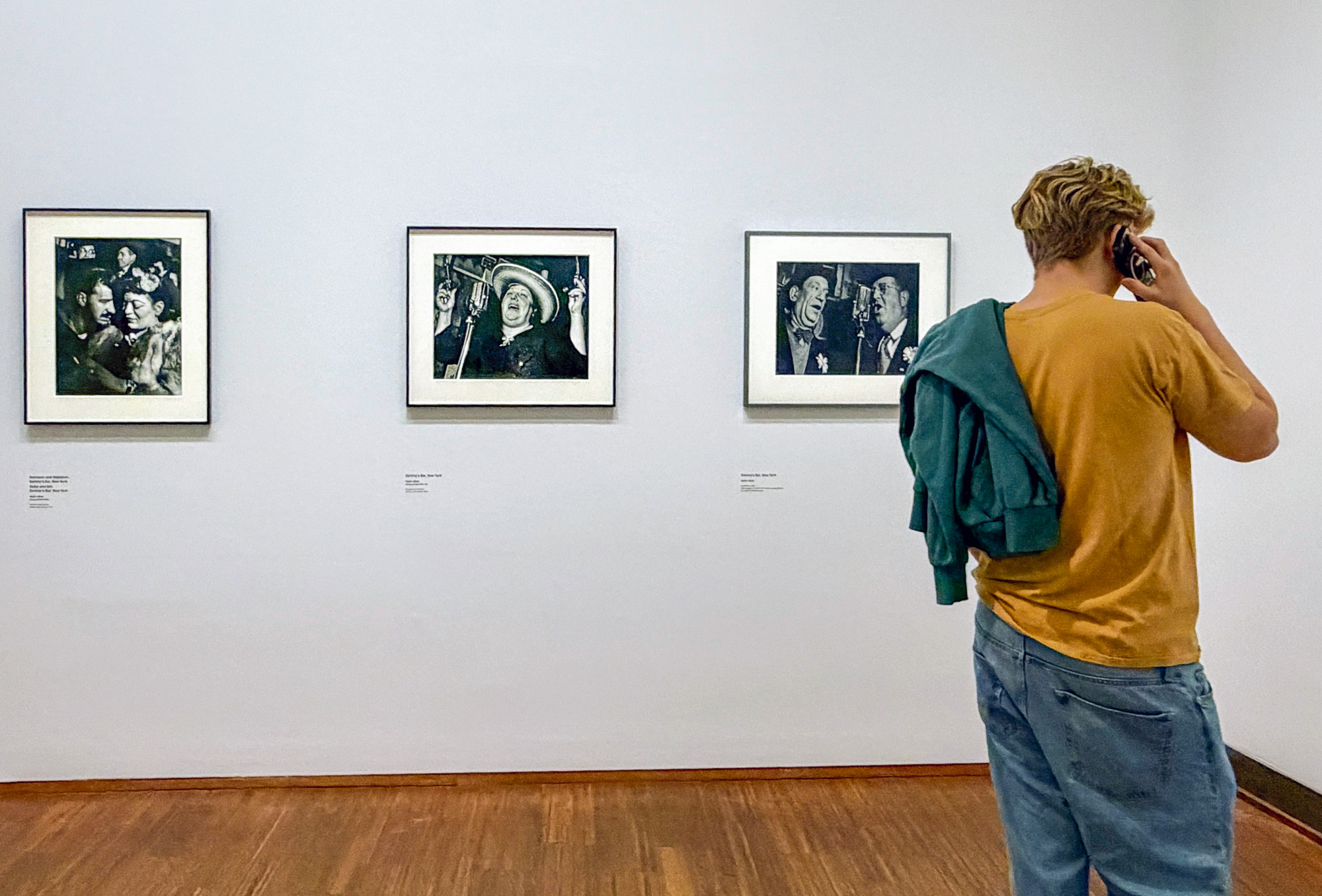
Ein eigener Rhythmus entsteht im Raum mit den Nachtclub- und Jazzfotografien. Grelles Blitzlicht, expressive Gesten, Schweiß, Bewegung. Hier schwingt etwas Musikalisches mit – nicht zufällig, wenn man Models frühe Nähe zur Musik und zu Arnold Schönberg kennt. Besonders die Jazz-Serie wirkt wie ein visuelles Echo von Improvisation und Dissonanz.
I am a passionate lover of the snapshot, because of all photographic images it comes closest to truth. (Lisette Model)
Brüche, die man nicht übersehen sollte
Die Ausstellung verschweigt auch die dunkleren Kapitel nicht. Während der McCarthy-Ära gerät Model unter politischen Verdacht, verliert Aufträge, Projekte scheitern. Ein geplantes Jazzbuch kommt nie zustande. Es ist schmerzhaft zu sehen, wie stark äußere Repression ein künstlerisches Werk beeinflussen kann – und wie wenig selbstverständlich künstlerische Freiheit ist.
Ein leiser Vergleich
Beim Rundgang drängt sich unweigerlich ein Gedanke auf: Nähe in der Street Photography. Aktuell läuft im WestLicht eine Ausstellung von Bruce Gilden. Auch dort: Nähe, Direktheit, Konfrontation.
Der Vergleich bleibt im Kopf hängen, auch ohne die Ausstellung gesehen zu haben. Bei Model entsteht die Härte im Bild, im Zuschnitt, im Blick. Nicht, wie bei Gilden, im Überfall. Vielleicht ist das ein Unterschied, der neugierig macht. Es spricht einiges dafür, sich diesen Dialog verschiedener Haltungen noch anzusehen.
AND NOW IN ENGLISH
For the first time in days, maybe weeks, there was space again. No appointments, no afterglow of Christmas, no to-do list in my head. Instead, the Albertina with a large Lisette Model retrospective (1901–1983). It was exactly the right moment for this exhibition.
Lisette Model is not a photographer for fleeting glances. You don’t just “walk through quickly.” You stop. You slow down. And you notice quite quickly: These pictures don’t want to please. They want something else – to be seen, truly seen.
Closeness that does not comfort
Model’s photographs are close. Uncomfortably close. Faces, bodies, gestures fill the frame, often to the limit of what is bearable. The famous tight cropping, often decided only in the darkroom, frees the people from their surroundings and confronts the viewer with full presence. There is no escaping. No decorative surroundings.
And yet there is no voyeurism. No mockery. Despite all the harshness, these images carry a form of respect, often with a good dose of humor or, depending on the subject, social critique. You sense that someone is looking here, not looking down. There is tension hanging in the air – between ruthlessness and empathy – and it keeps the work relevant to this day.
France, New York, Lower East Side
The exhibition follows Model’s life stages, each telling a story of a different social stage. In the early works from France, for example from the Promenade des Anglais in Nice, glamour tips into the grotesque. Wealth becomes a pose, facial expressions turn into caricature.
In New York, the gaze changes. Reflections in shop windows, legs in the crowd, shadows on asphalt. The series Reflections feels almost fragmentary, Running Legs deliberately directs the gaze downward. You don’t see a skyline, but bodies in the flow of the city. Modernity here does not appear triumphant, but ambivalent, overcrowded, nervous.
Nightlife, jazz, intensity
A distinct rhythm emerges in the room with nightclub and jazz photographs. Harsh flash, expressive gestures, sweat, movement. Something musical resonates here – not coincidentally, considering Model’s early closeness to music and Arnold Schönberg. Especially the jazz series feels like a visual echo of improvisation and dissonance.
“I am a passionate lover of the snapshot, because of all photographic images it comes closest to truth.” (Lisette Model)
Breaks you shouldn’t overlook
The exhibition does not hide the darker chapters either. During the McCarthy era, Model fell under political suspicion, lost commissions, projects failed. A planned jazz book never came to fruition. It is painful to see how strongly external repression can influence an artistic work – and how far from self-evident artistic freedom is.
A quiet comparison
While walking through, one thought inevitably arises: closeness in street photography. Currently, there is an exhibition of Bruce Gilden at WestLicht. There too: closeness, directness, confrontation.
The comparison lingers in the mind, even without having seen the exhibition. With Model, the harshness arises in the image, in the cropping, in the gaze. Not, as with Gilden, in the ambush. Perhaps this is a difference that sparks curiosity. There is much to suggest seeing this dialogue of different attitudes.
For more information
You can find out more about the exhibition, including an interview with the master himself, on the Albertina Museum’s website here.
Where:
Albertina Museum, 1010 Vienna
When:
until 22 February 2026.
EXHIBITION PHOTOS © KARIN SVADLENAK
 ViennaCultgram