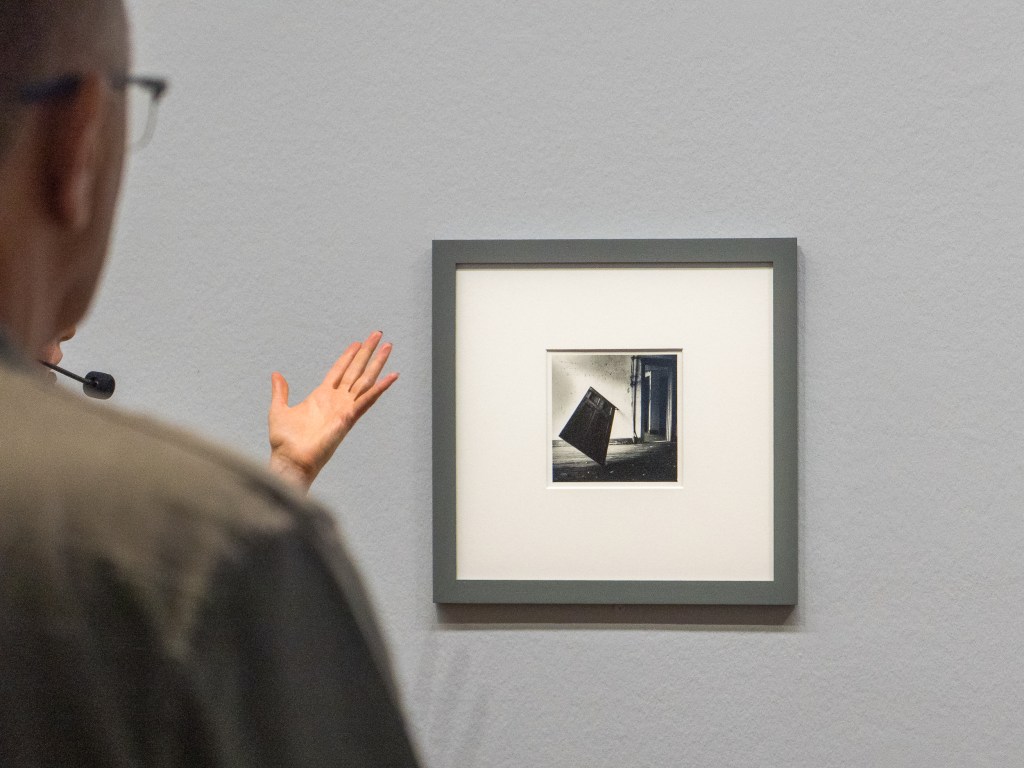
Francesca Woodman at the Albertina
Yesterday I joined a guided tour of the Francesca Woodman exhibition at the Albertina, organised by the Prager Fotoschule – and I’m still processing what I saw. Woodman’s photographs are strange, raw, and oddly haunting. They tug at something unconscious, uncomfortable even – and yet they’re deeply inspiring.

An encounter with mystery, movement, and the haunting brilliance of a too-short life
The earliest photograph on display – a self-portrait – was taken by Woodman at the age of thirteen. Thirteen! It’s an image full of atmosphere, with shafts of light, blur, and that distinctive tilt she would become known for. Already, there is mystery. Already, she is staging herself not as a subject, but as part of a spatial and emotional composition. It is not the work of a child dabbling with a camera – it is the quiet emergence of a genius´s vision. This early photograph foreshadows so much: her subtle use of light, the physicality of her poses, her fascination with appearance (or disappearance?) and distortion. Even then, she was not merely taking pictures – she was crafting visual poetry.

Born into Art
Francesca Woodman was born in 1958 in Denver, Colorado, into an artistic household. Her father was a painter and photographer, her mother a ceramic artist. She grew up in a world of creativity, surrounded by references from the art world – from classical painting to Surrealism. Her upbringing between the US and Italy brought her into close contact with European art history from a young age.
This deeply rooted visual education became part of her language. It’s there in her reverence for form, in the way she uses her body as both symbol and tool. The references in her work are often quiet, but they’re there: Ophelia, Botticelli’s Venus, Renaissance interiors, Surrealist collage. She isn’t quoting – she’s reinterpreting.


The Female Body as Space and Symbol
Woodman is perhaps best known for using her own body in her work. But unlike conventional self-portraiture, her approach is not about identity – it’s about presence, space, and transformation. She once said wryly, “It’s a matter of convenience. I’m always available.”
But this availability becomes something else. In her photographs, the body becomes a prop, a blur, a suggestion. Sometimes it’s barely visible, half-hidden behind wallpaper or dissolved in long exposure. She often works with household objects – gloves, mirrors, glass, flowers – imbuing them with metaphorical weight. Her use of glass, for instance, explores both boundaries and transparency: “Glass makes a nice definition of space because it delineates a form while revealing what is inside,” she wrote.
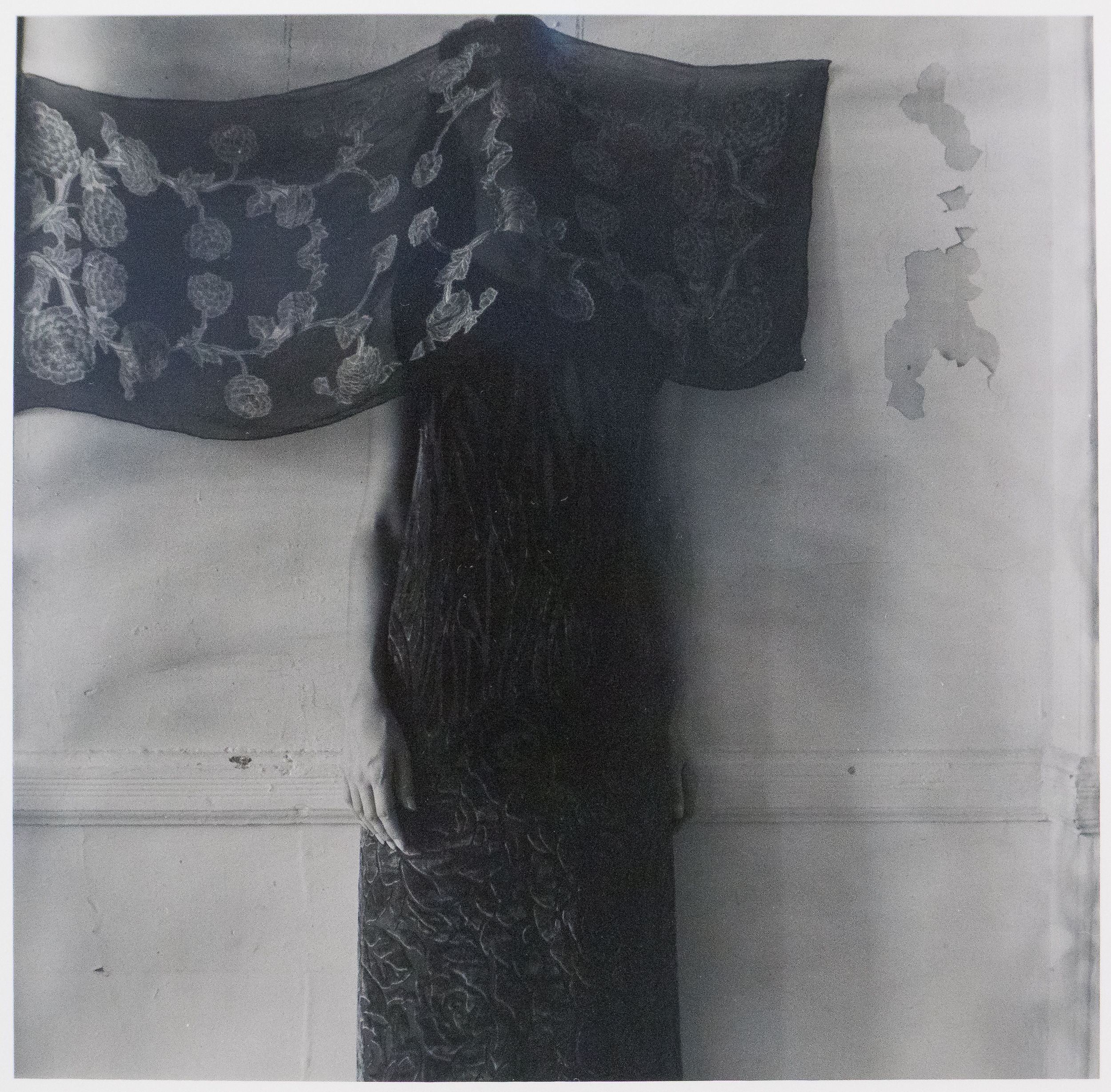
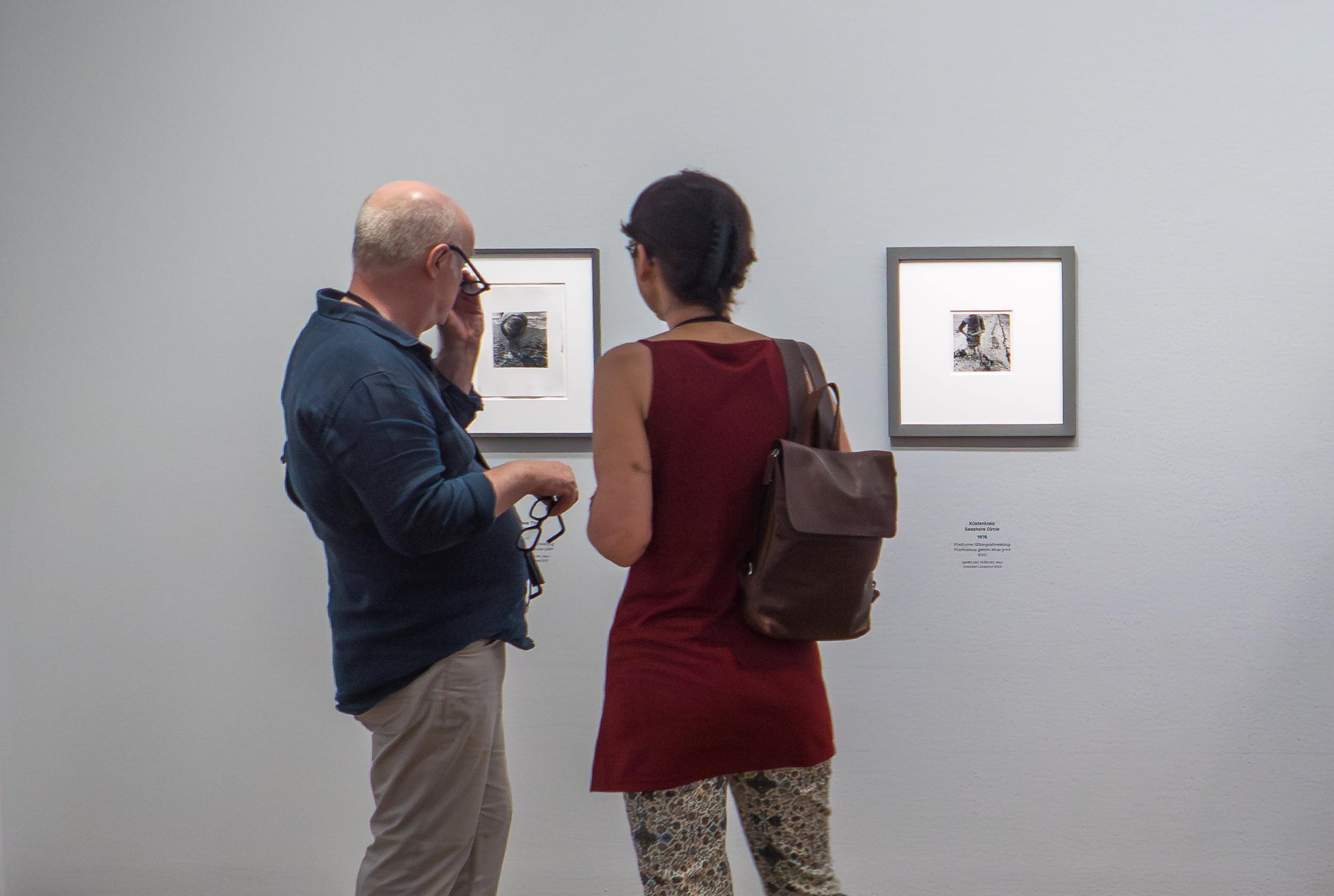
She stages these scenes in derelict rooms, old houses, empty corners. Nothing is perfect or polished. But everything is precise. The images are carefully composed, yet they breathe with vulnerability.

A Life in Motion – and Slant
Striking throughout the exhibition is the physical slant that runs through her work. Many images feel slightly askew – as if gravity is uncertain. This isn’t accidental. That slight crookedness creates tension. The viewer leans in, tilts their head. Nothing lies flat. Her compositions whisper of instability, dream logic, and a refusal to behave.
Even stillness feels like it might dissolve. There’s always the trace of motion, the memory of a gesture, the breath of light on skin. Her world is not frozen – it’s flickering.


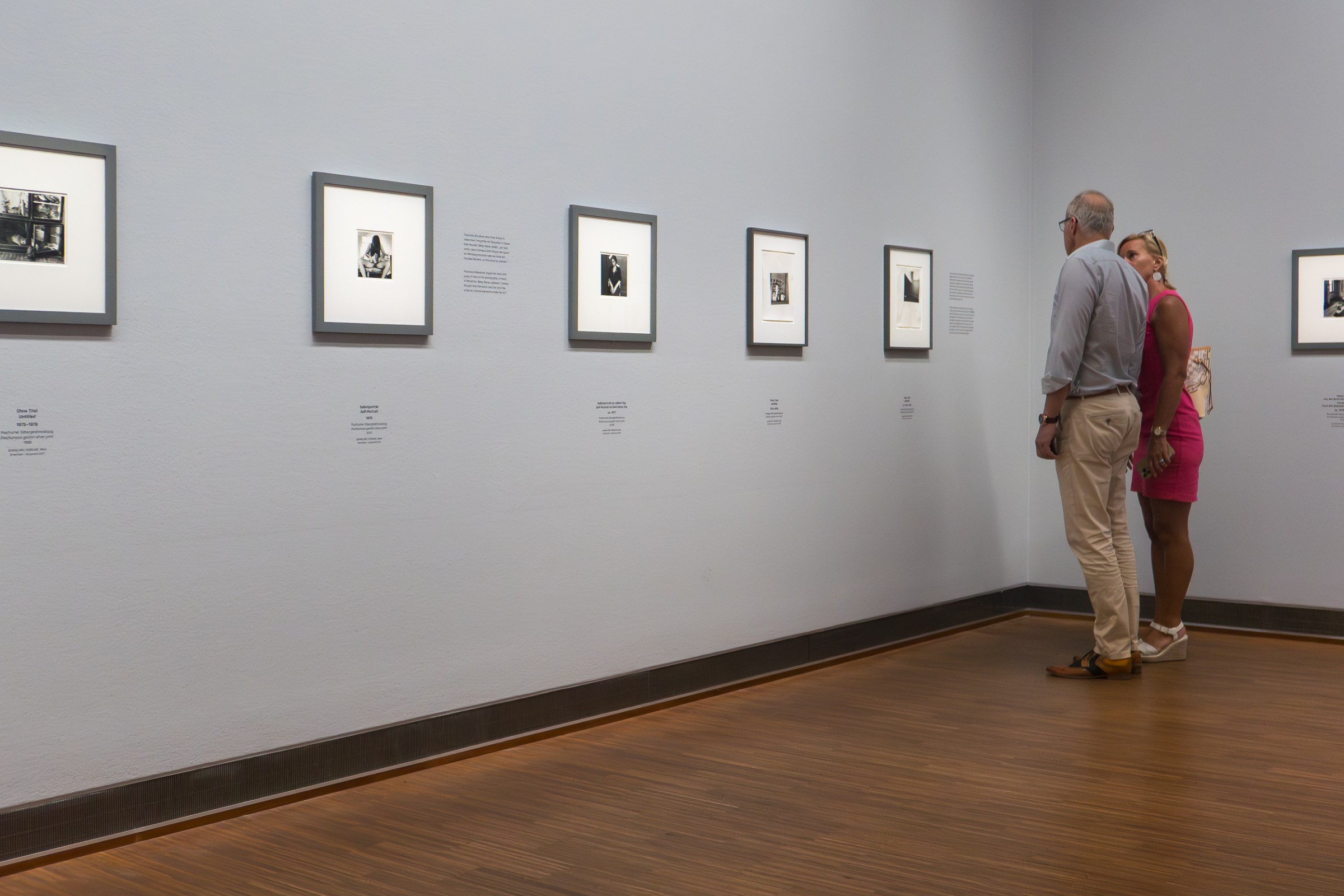
Rome, Surrealism, and the Art of Looking
While studying at the Rhode Island School of Design, Woodman spent a year abroad in Rome. There, she immersed herself in art history, visited Futurist and Surrealist bookshops, and discovered the writings of Lautréamont and André Breton. She explored the city’s ruins and rooftops with a camera in hand and made friends with Italian artists.
In a disused pasta factory, she staged some of her most evocative performative images – blurred, faded, the body sometimes vanishing altogether. One senses in them both playfulness and gravity. And in her notebooks, we hear her voice: reflective, poetic, wise beyond her years.

New York, Mythology, and the End
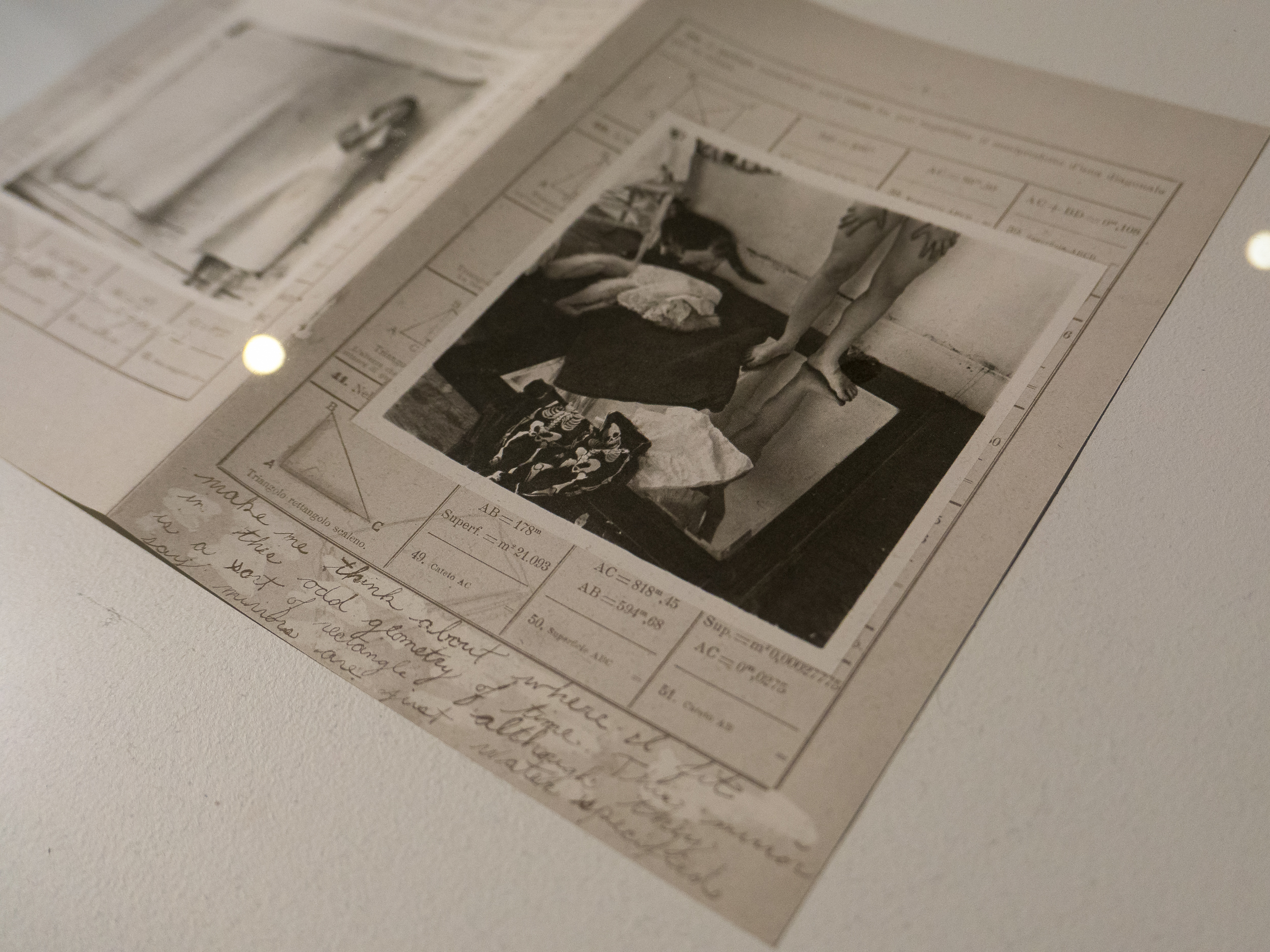
Later, in New York’s East Village, her apartment bathroom became her darkroom. Life as an artist was not easy. She worked as a model, photography assistant in fashion shoots, and throughout that on her own art – always exploring.
She read Proust, whose words became her own guiding star. She wrote: “Proust inspired me a lot. I’d really like to create a work of art like that, rooted in and linked to everyday life but addressing questions of great scope.”
Just months later, in January 1981, Francesca Woodman died by suicide at the age of 22. In one of her final photographs, her birth certificate is visible in the background – a quiet gesture that feels like a farewell and a beginning all at once.

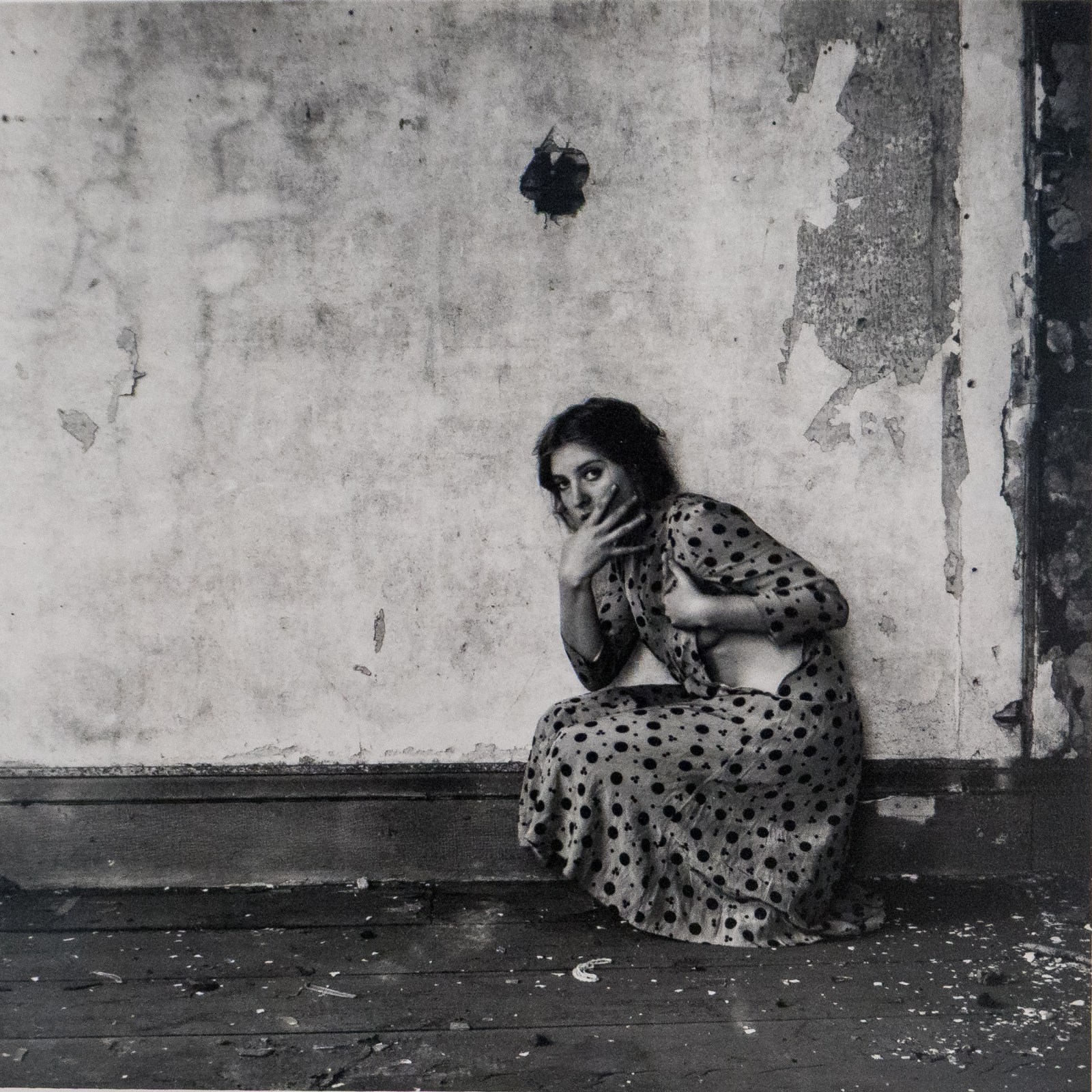
The exhibition left me in awe of Woodman´s talent, a little disoriented, in the best possible way. Woodman’s photographs are strange. They resist simple interpretation. There’s something elusive in them – ghostlike, poetic, and deeply intimate. And while they often seem quiet on the surface, they stay with you, whispering.
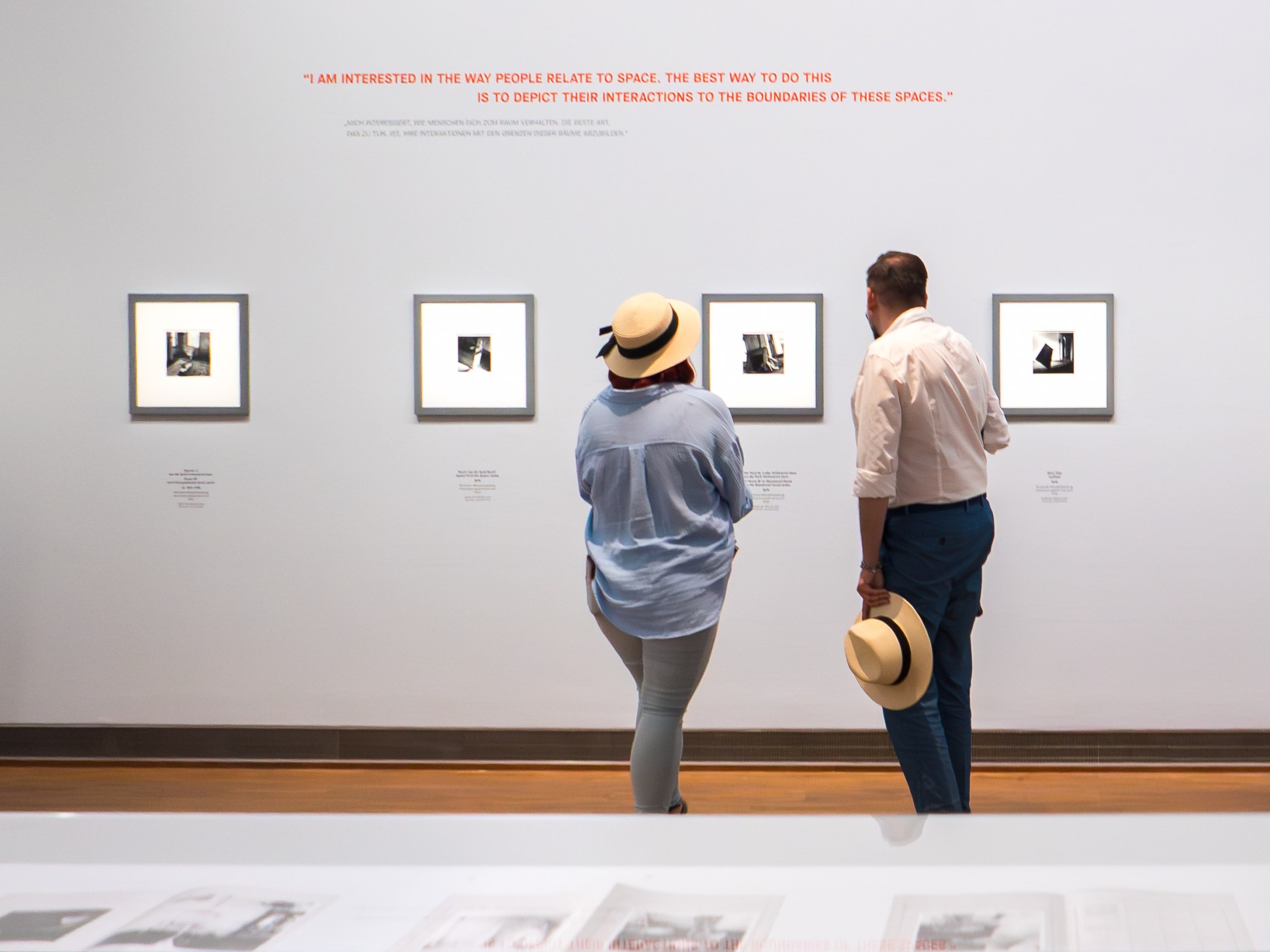
The intimate scale of the photographs means you have to lean in close, almost as if entering her world through a keyhole. This physical closeness changes the experience: you don’t just glance from afar, you linger. And because the images are so enigmatic, they don’t give themselves away easily. The longer you look, the more they unfold – layers of gesture, shadow, and meaning that resist instant interpretation. It’s photography that demands time, attention, and presence.
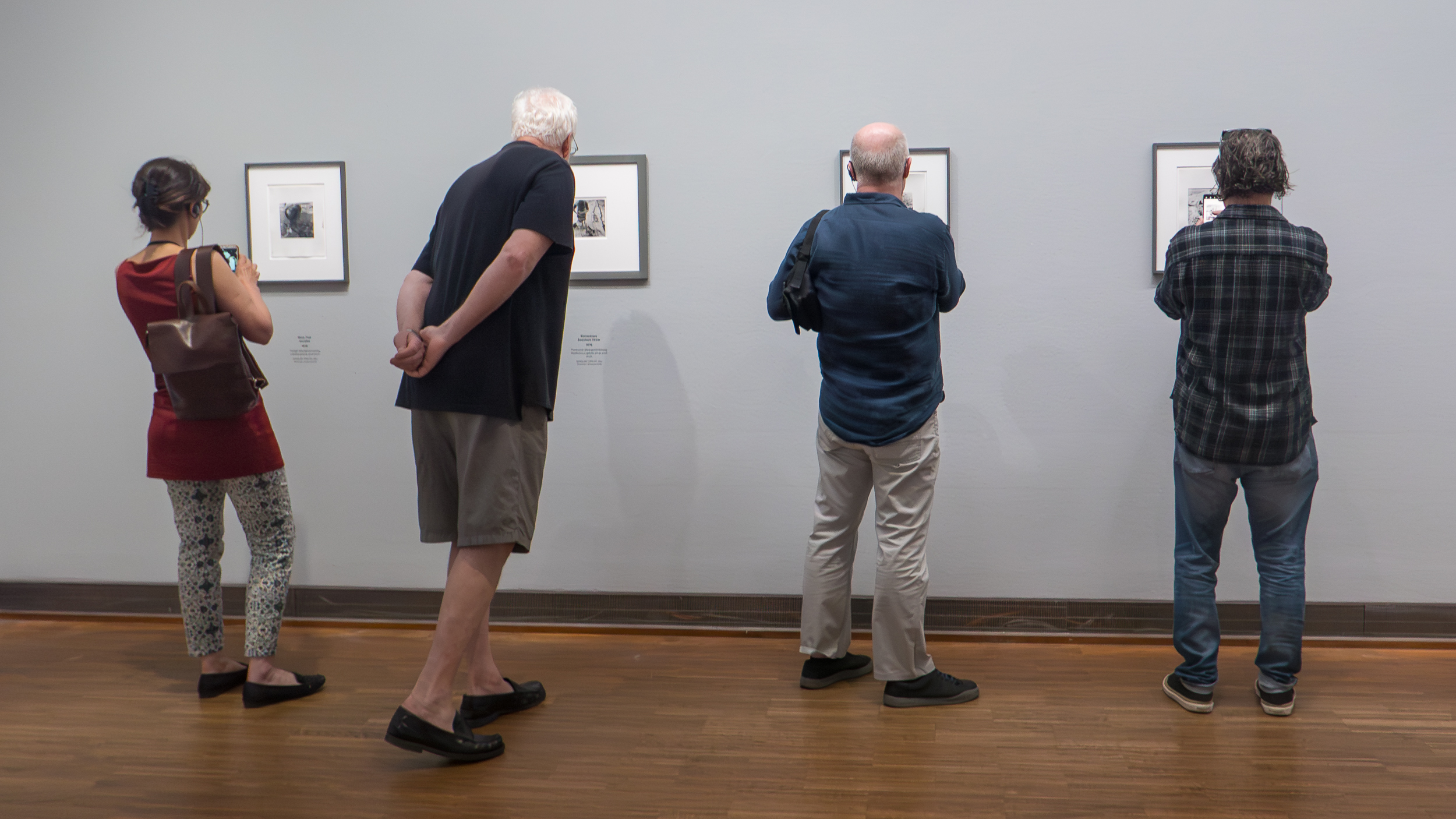
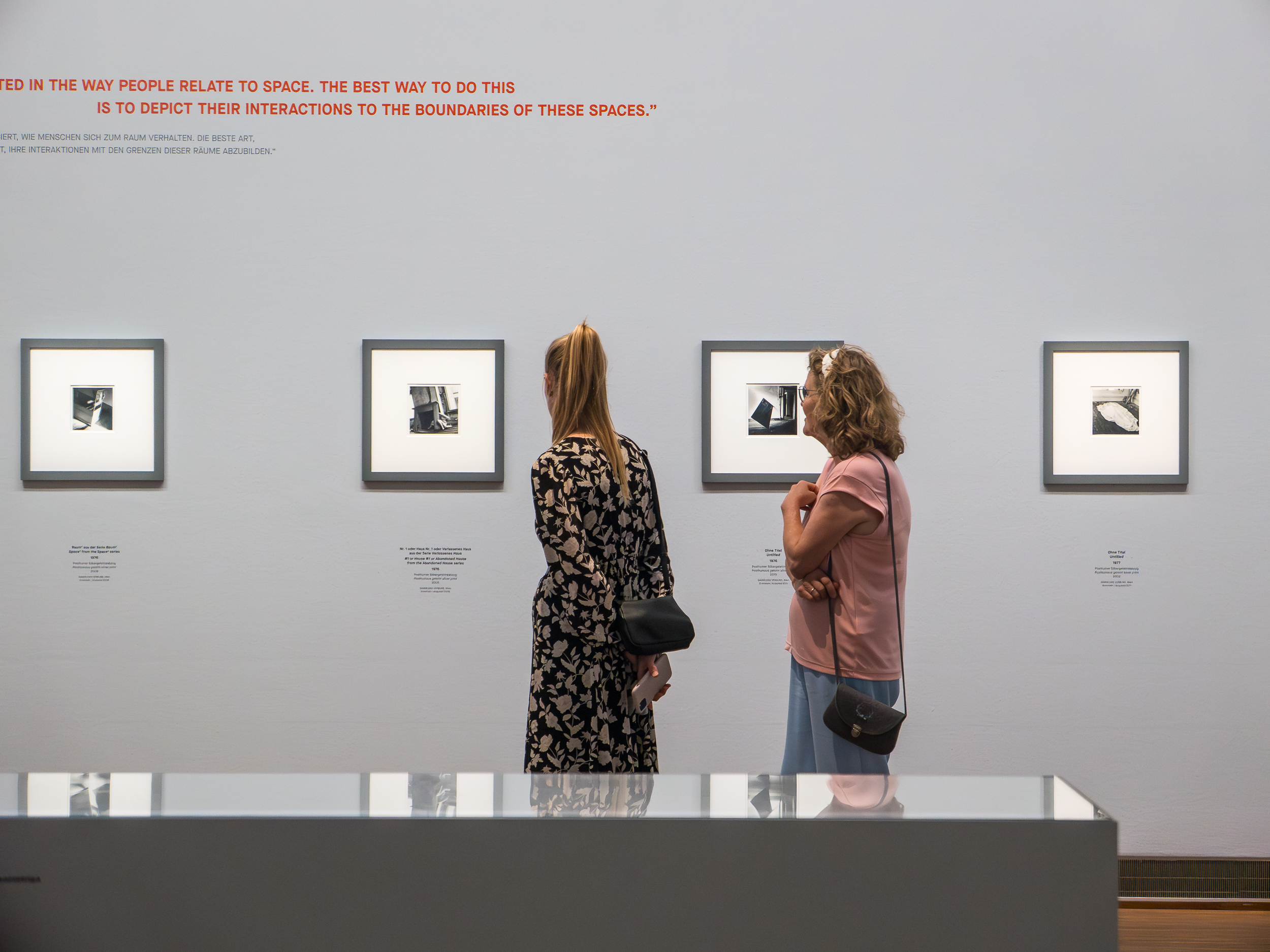
This is the first museum exhibition of her work ever shown in Austria, and it brings together over 80 photographs from the VERBUND Collection – including many vintage prints developed by Woodman herself. Born in 1958 in Denver, Colorado, she created most of her astonishing body of work between the ages of 13 and 22. Her short life ended in 1981, tragically, by suicide. But what she left behind is a universe all her own.
What the Albertina exhibition achieves so beautifully is to restore Woodman’s work to life – not just as a tragic footnote, but as a fully-formed, thoughtful, and radically original body of work. Her images are strange, yes – and also luminous, profound, and endlessly generative. They invite us to look again, not only at her, but at space, form, light, and ourselves.
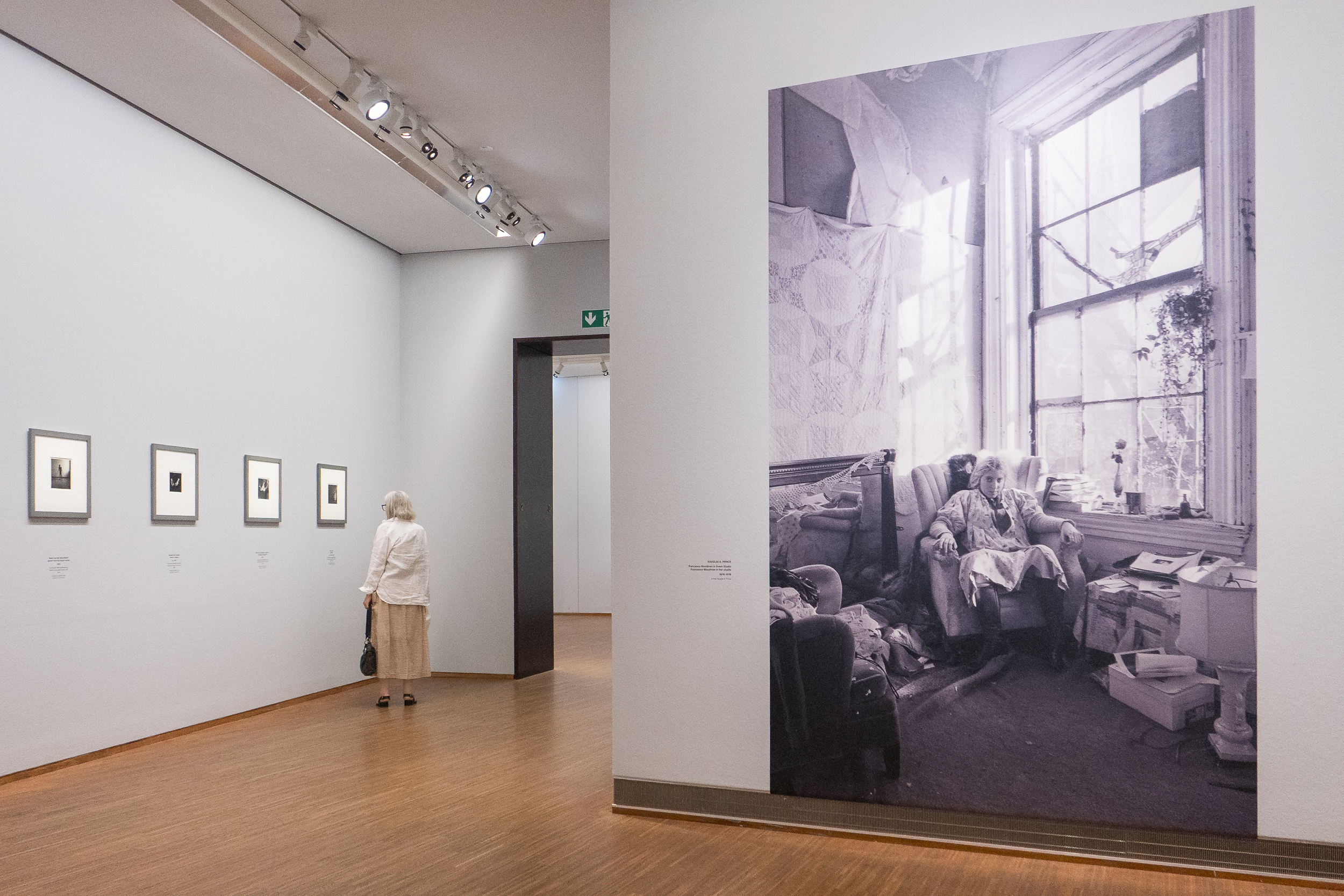
📍 Francesca Woodman – Works from the VERBUND Collection
🖼 On view at the Albertina, Vienna, until 6 July 2025
🎧 Guided tour courtesy of Prager Fotoschule
📷 All exhibition photographs in this post taken by me
The museum is open daily from 10 a.m. to 6 p.m., and this exhibition runs only until 6 July. See more information on the official website.
EXHIBITION PHOTOS © KARIN SVADLENAK-GOMEZ
 ViennaCultgram