Expressionism and a Dash of Horror at the Heidi Horten Collection
Tucked behind the Burggarten and just a stone’s throw from Vienna’s art-heavy First District, the Heidi Horten Collection continues to surprise. Last night I had the chance to explore the latest exhibition at the Heidi Horten Collection in Vienna, Experiment Expressionismus – Schiele meets Nosferatu, during a special after-hours tour with Instagramers Austria (@igersaustria.at). The museum opened its doors just for us—a small group of photographers and art lovers—allowing for an intimate experience of this evocative and cleverly curated show.
The exhibition draws unexpected connections between Austrian Expressionist painting and the visual language of early German and Austrian cinema. At its heart is a bold, atmospheric dialogue between the raw, visceral brushstrokes of Egon Schiele and the dramatic shadows and stylised gestures of films like Nosferatu, The Cabinet of Dr. Caligari, and Metropolis.

The Shock of Gesture
The special exhibition Experiment Expressionismus – Schiele meets Nosferatu (on view until 8 September 2025) is visually compelling and conceptually sharp. Here, Austrian Expressionist painting intertwines with the haunting visual language of early German and Austrian silent cinema.
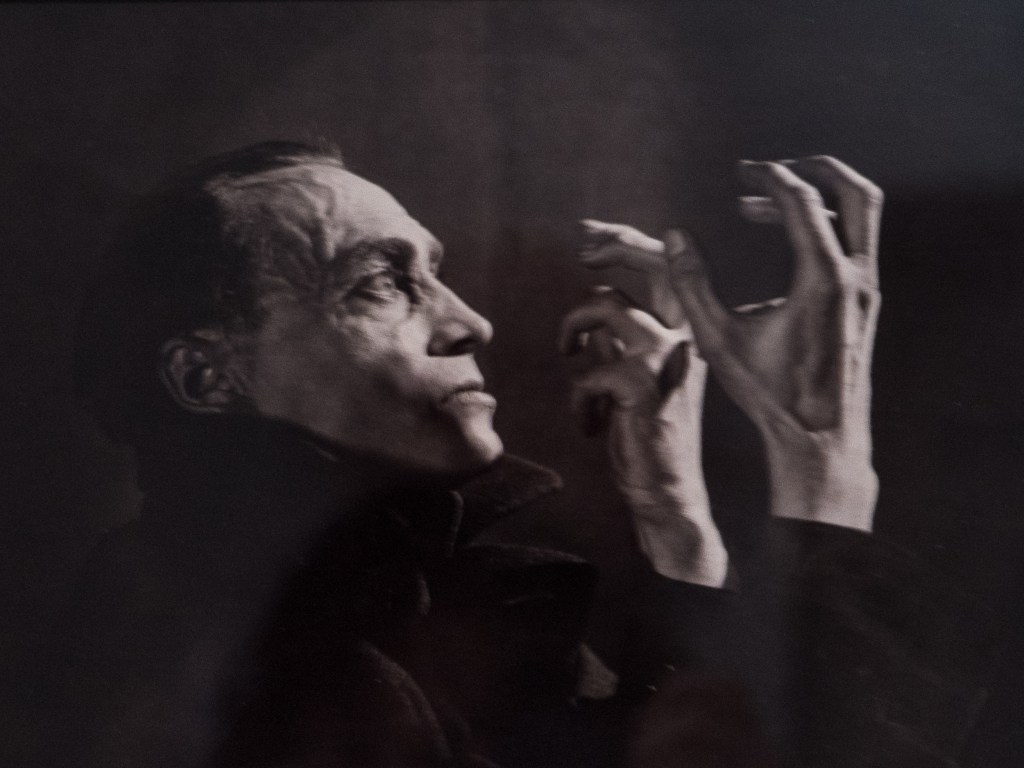
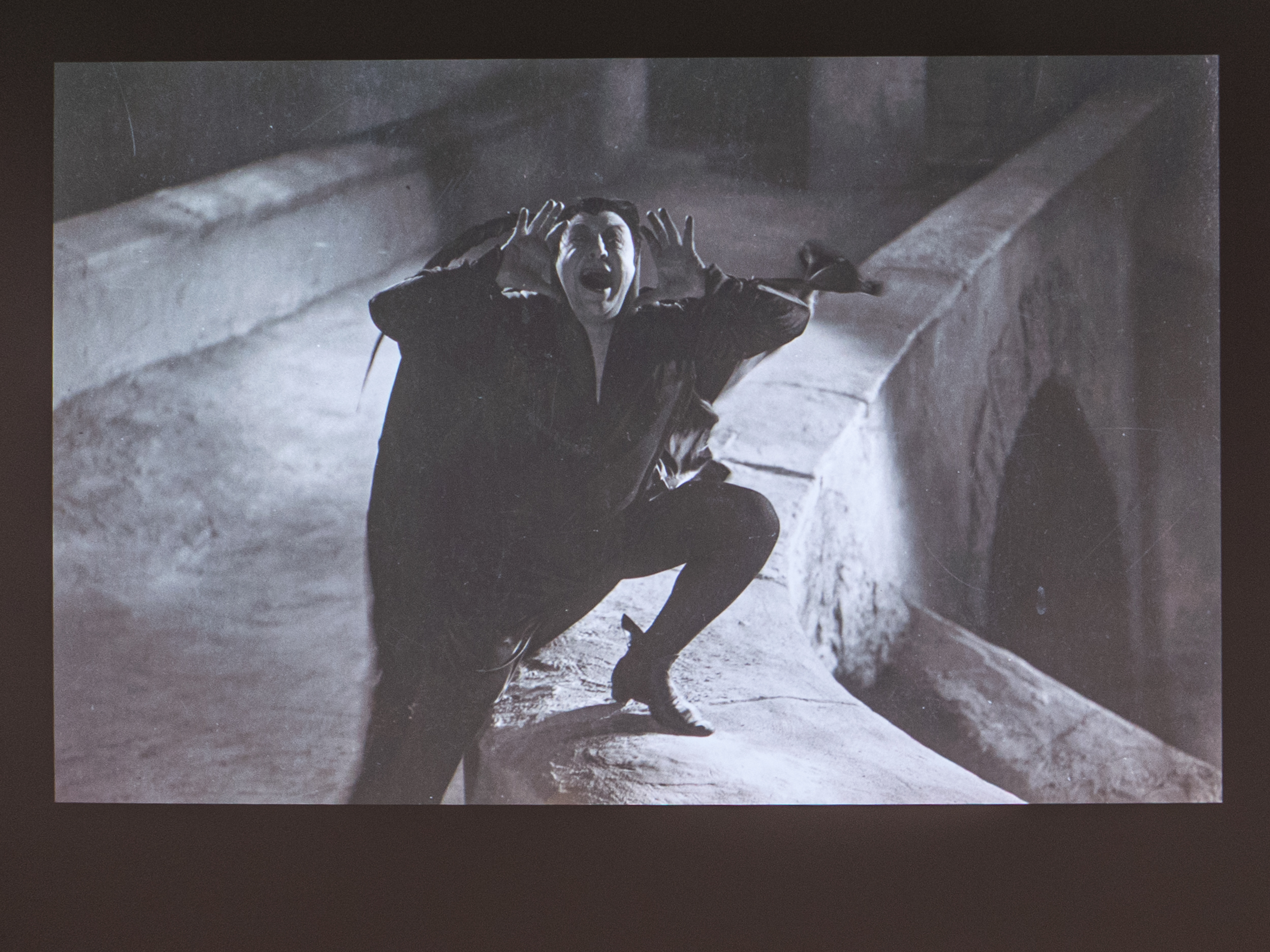
The curatorial brilliance lies in the way parallels are drawn between brushstroke and camera angle, gesture and atmosphere. A central example is Schiele’s iconic Selbstporträt mit Pfauenweste (1911), in which his elongated fingers—turned inward, crooked, intense—convey a raw, unsettling interiority. Those same hands seem to reappear moments later in stills from Nosferatu or The Cabinet of Dr. Caligari (films that scared me endlessly when I was a child and saw them in reruns on Sunday afternoon TV). In these films expression lives in the fingers as much as the eyes.
The show is a conversation, where projected film excerpts, vintage posters, and set photographs are woven into a visual dialogue with paintings, making the emotional distortions of both mediums feel eerily contemporary.

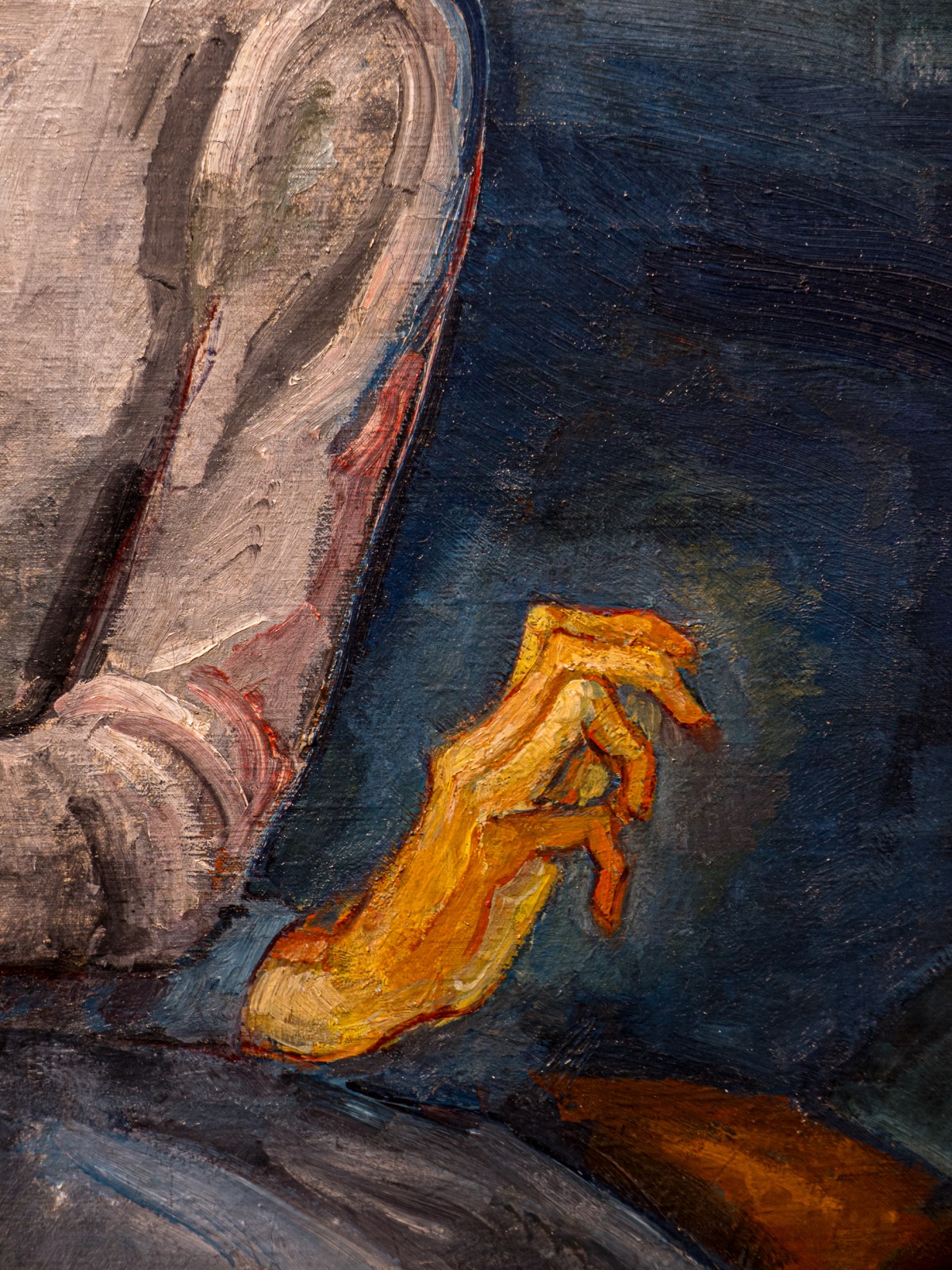
In Lilly Steiner’s Portrait of Lilian Gaertner (1927), the subject’s hand gesture is quietly expressive—and unmistakably intentional. The young woman´s fingers are slightly spread and tense, drawing attention to an emotional interior, which reflects the influence of modern portraiture in the interwar years, when artists like Steiner moved away from strict academic representation and instead began to imbue physical gestures with psychological weight.


Metropolis — A Tower of Babel in Celluloid
One of the most powerful and immersive moments in Experiment Expressionismus – Schiele meets Nosferatu is the room dedicated entirely to Fritz Lang’s 1927 silent film masterpiece Metropolis. This dark parable of class division and industrial oppression still resonates nearly a century after its creation—and the exhibition gives it the scale and atmosphere it deserves.
In Metropolis, society is split into two extreme worlds: above, the dazzling towers of the elite, where the powerful live in comfort and detachment; below, the subterranean hellscape of the workers, condemned to function like machines in a system that reduces them to cogs in a relentless, dehumanizing mechanism. Lang conceived his film as a new Tower of Babel, built on exploitation—its collapse all but inevitable. Metropolis tells the story of Freder, the son of the city’s ruler, who discovers the brutal world of the working class and falls for the hopeful worker Maria. To crush her influence, a false, robotic Maria is created—unleashing chaos and revolt.
Despite its ending, the film remains a powerful critique of class oppression, and its striking visuals and the iconic machine-woman helped shape the language of science fiction for generations.

A Friction Between the Historical And the Now
Triptych Part 2 by Markus Schinwald is part of a three-part series in which the artist reworks and reframes 19th-century portraiture—often anonymous or forgotten works—by subtly intervening in them with contemporary elements.


KLIMT ↔ WARHOL: A Conversation Across Time
In contrast to the shadow-play of Expressionism, the museum’s new permanent exhibition KLIMT ↔ WARHOL – Modern Masterpieces: Empowering Minds, Inspiring Hearts offers bold color, structure, and iconic faces. It brings together 20th- and 21st-century masterworks from Klimt, Ernst Ludwig Kirchner, Franz Marc, Andy Warhol, Roy Lichtenstein, and more. The exhibition is loosely thematic, encouraging associations and comparisons rather than delivering a linear art history.

Even better: this selection was co-curated with the public. Visitors to the previous We love exhibition voted on their favorite pieces, and the most popular now form the basis of the permanent display—a refreshing gesture of inclusion and community engagement.
Where Art Meets Interior
Both the permanent and current exhibition are staged with great care, thanks to Austrian artist Markus Schinwald, who reimagined the gallery layout. Inspired by the private origins of the collection and the domestic interiors of the Horten residence, Schinwald’s interventions—especially his wall design—create a museum experience that feels at once refined and intimate.
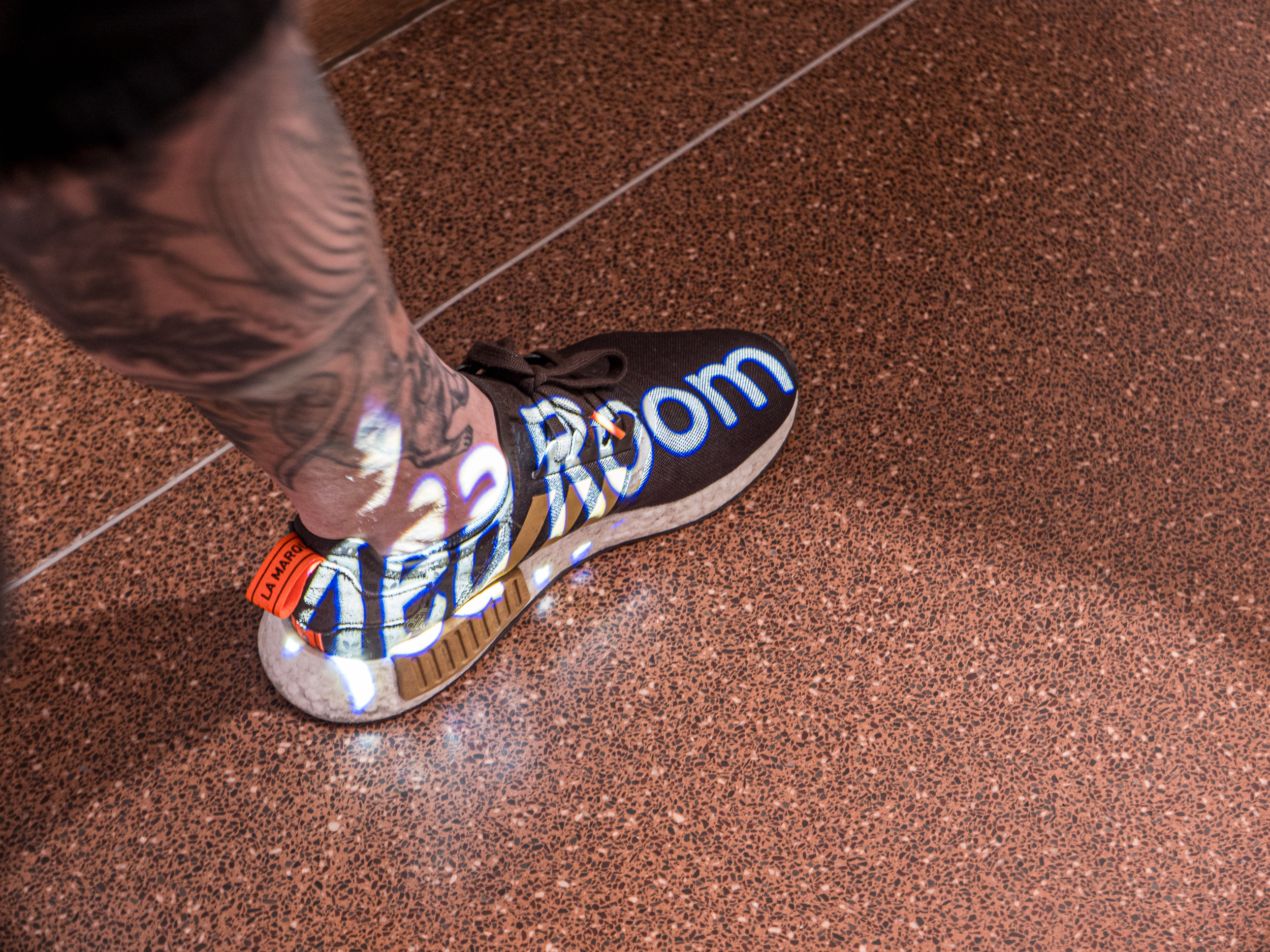
One playful visual moment? A projected floor sign reading tea room reflected off a visitor’s sneaker, turning wayfinding into unexpected artwork. It’s the kind of detail that feels entirely at home here.


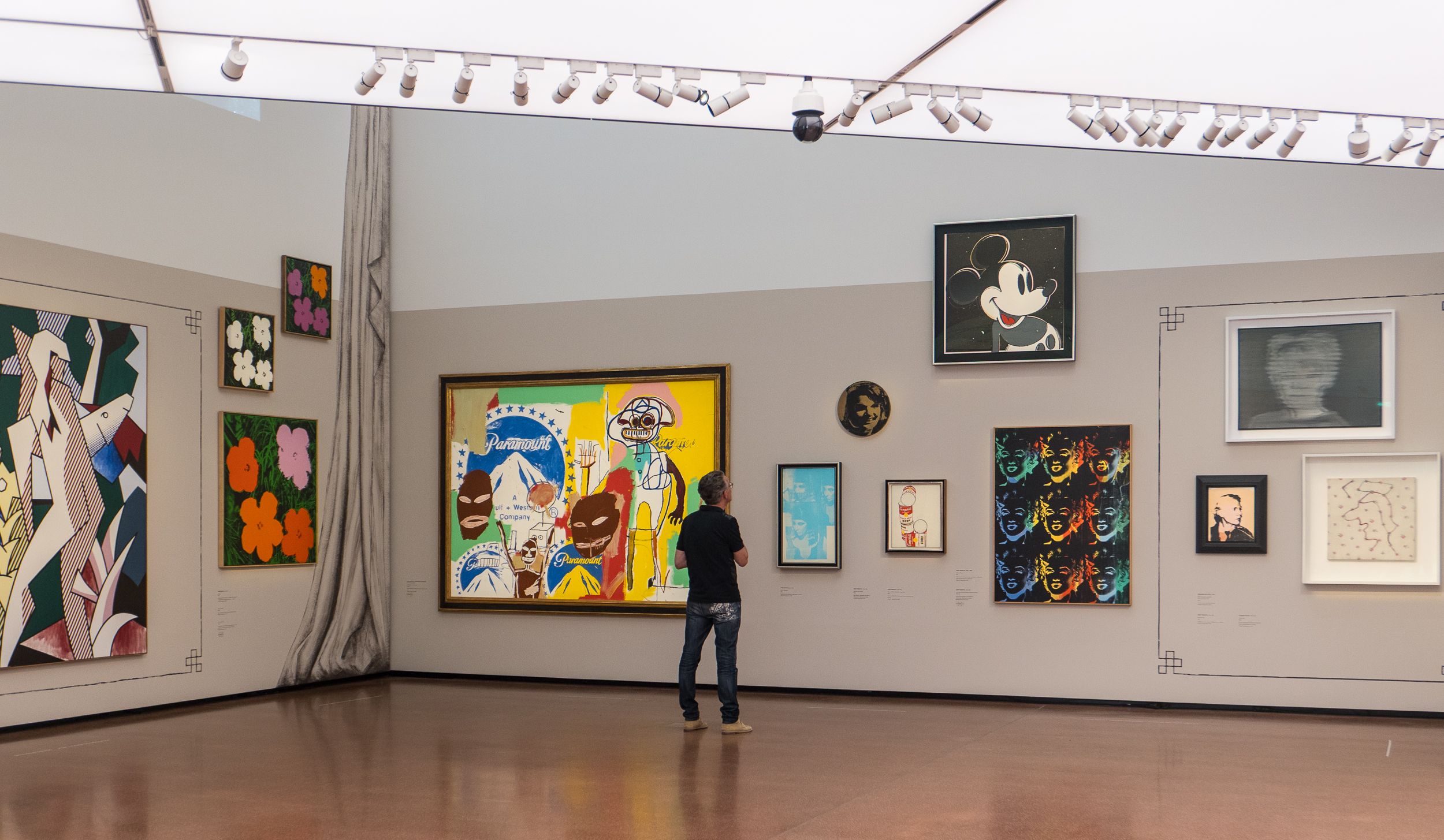
Whether it’s the tortured precision of Schiele’s hands, the eerie gaze of Nosferatu, or the electric pulse of Warhol’s Marilyn, the Heidi Horten Collection brings together drama, dialogue, and design in a great architectural space.
If you haven’t visited yet—go.
🖼️ Experiment Expressionismus – Schiele meets Nosferatu
📅 Until 8 September 2025
🖼️ KLIMT ↔ WARHOL – Modern Masterpieces (Permanent Exhibition)
📍 Heidi Horten Collection, Hanuschgasse 3, 1010 Vienna
EXHIBITION PHOTOS © KARIN SVADLENAK-GOMEZ
 ViennaCultgram