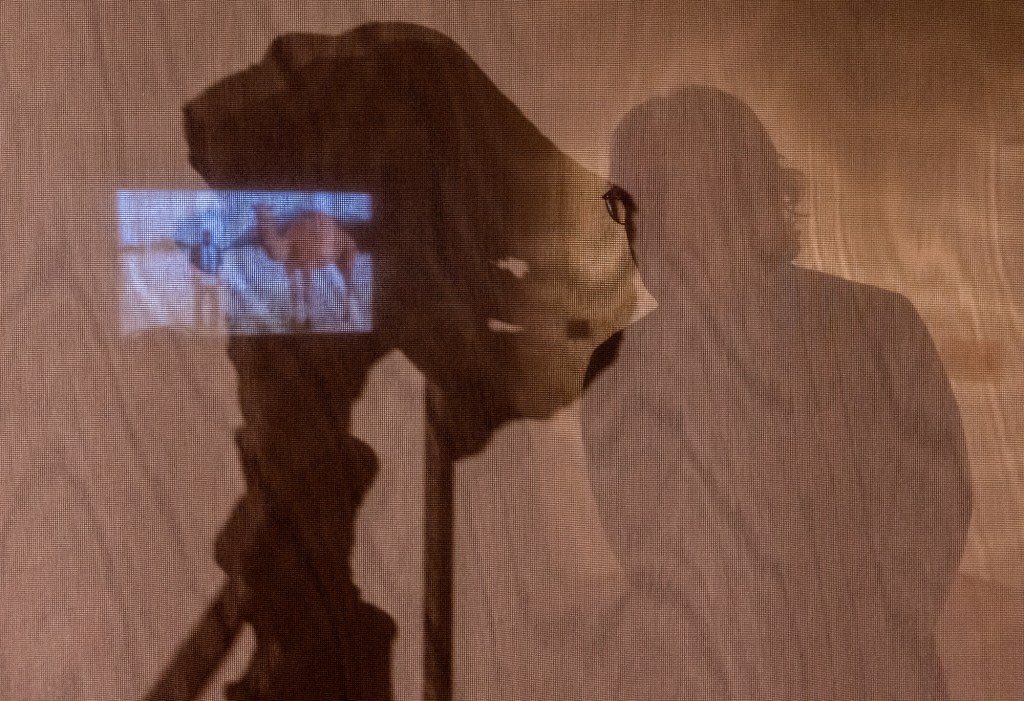
Did you know that lamas and alpacas are members of the camel family? I don´t think that is on everyone´s mind when they think of these wooly Andean animals. This week, I ventured into the captivating world of camels (and their close relatives) at the Weltmuseum Wien’s exhibition, “On the Backs of Camels.” The exhibition, which runs only until January 26, 2025, offers a rich tapestry exploring the multifaceted relationship between humans and the remarkable camelid family.
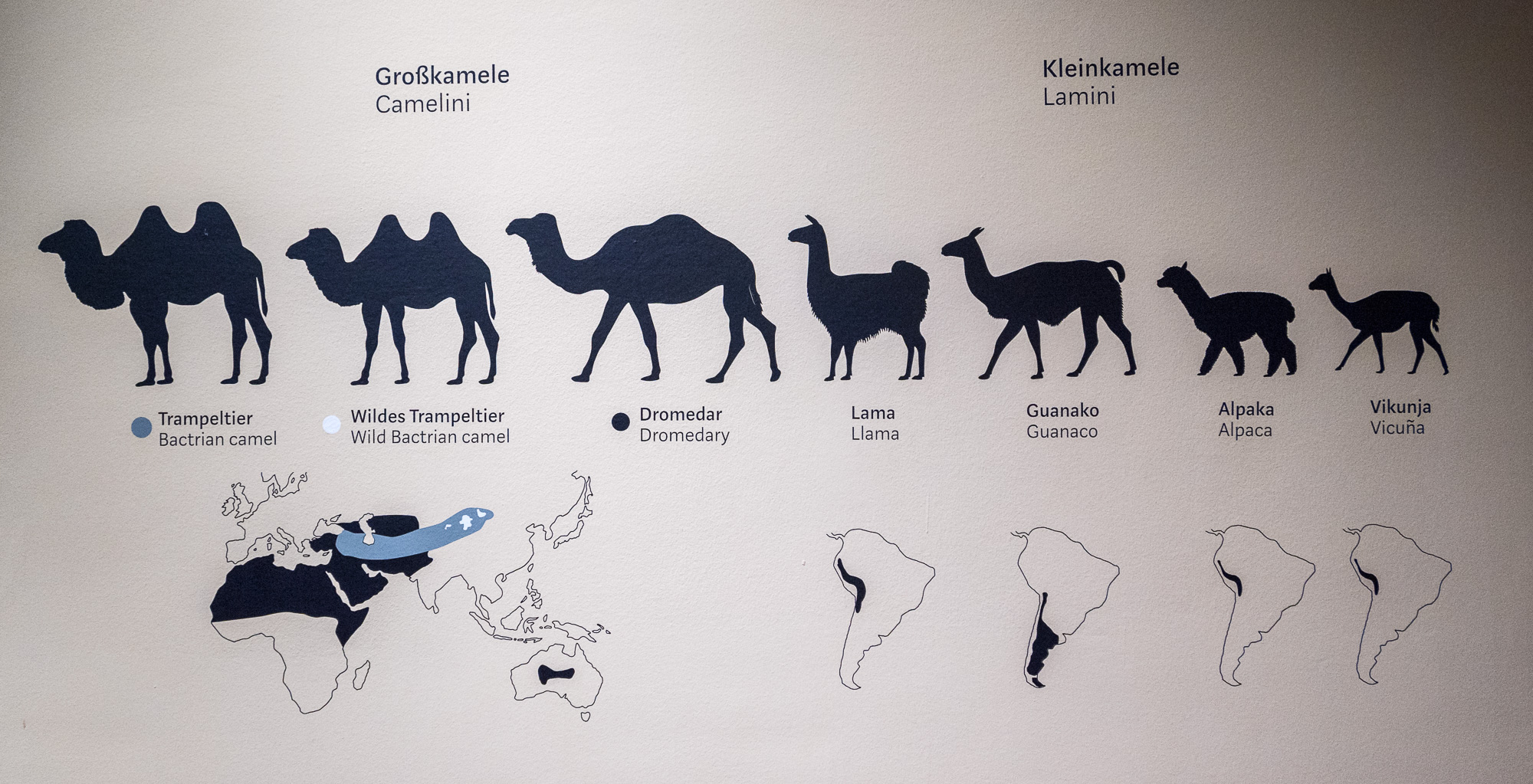
The United Nations General Assembly declared 2024 the International Year of the Camelid. In alignment with this global initiative, the Weltmuseum Wien presents the exhibition ‘On the Backs of Camels,’ underscoring Austria’s commitment to raising awareness about the crucial role of camelids in human societies worldwide.
The exhibition takes visitors on a journey through time and across continents. It sheds light on the diverse ways cultures around the world have interacted with camels, llamas, alpacas, and other camelids. From their domestication thousands of years ago to their continued significance in modern societies, the exhibition highlights the enduring bond between humans and these resilient animals.
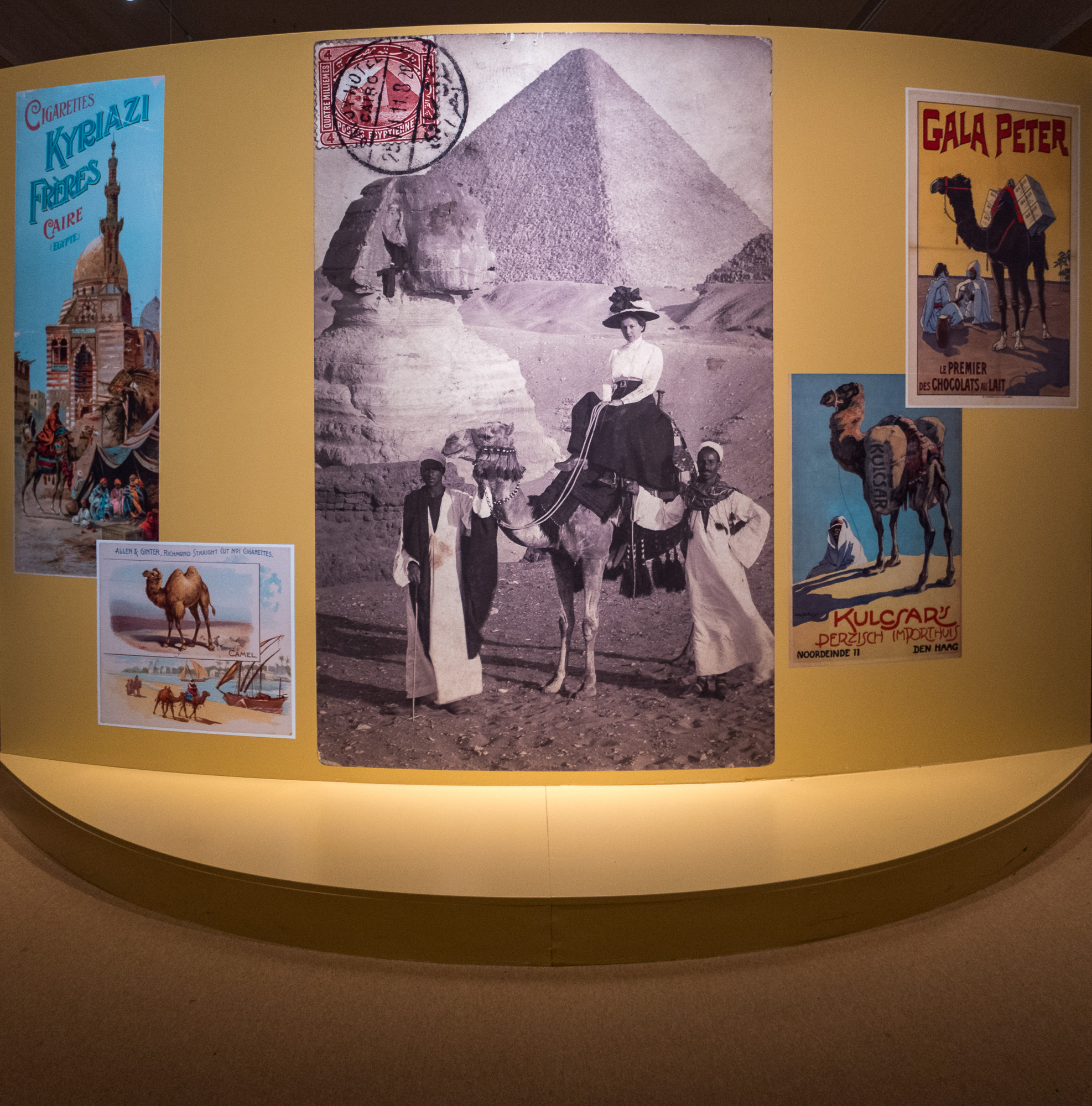
The curators have skillfully woven together historical artifacts, contemporary art installations, and captivating films to tell this story. One minute you might be marveling at a intricately decorated saddlebag from a bygone era, the next you’re immersed in a touching video showcasing the role of camels in contemporary life. This multimedia approach keeps the exhibition engaging and informative.
A particular strength of the exhibition is its emphasis on the cultural significance of camelids. “On the Backs of Camels” demonstrates how these animals have not only served as a source of transportation, food, and materials, but have also played a profound role in shaping societies and economies across the globe.

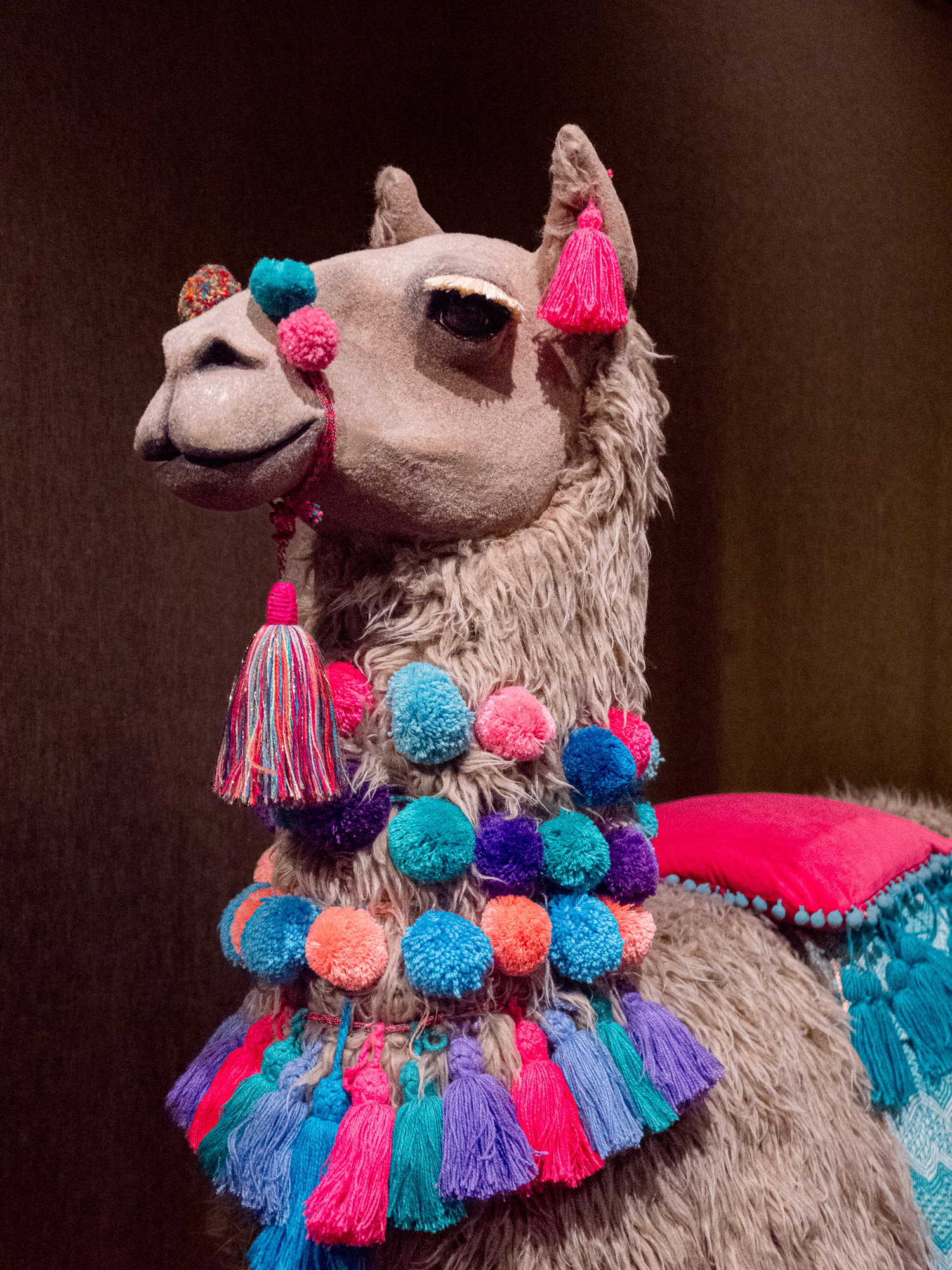

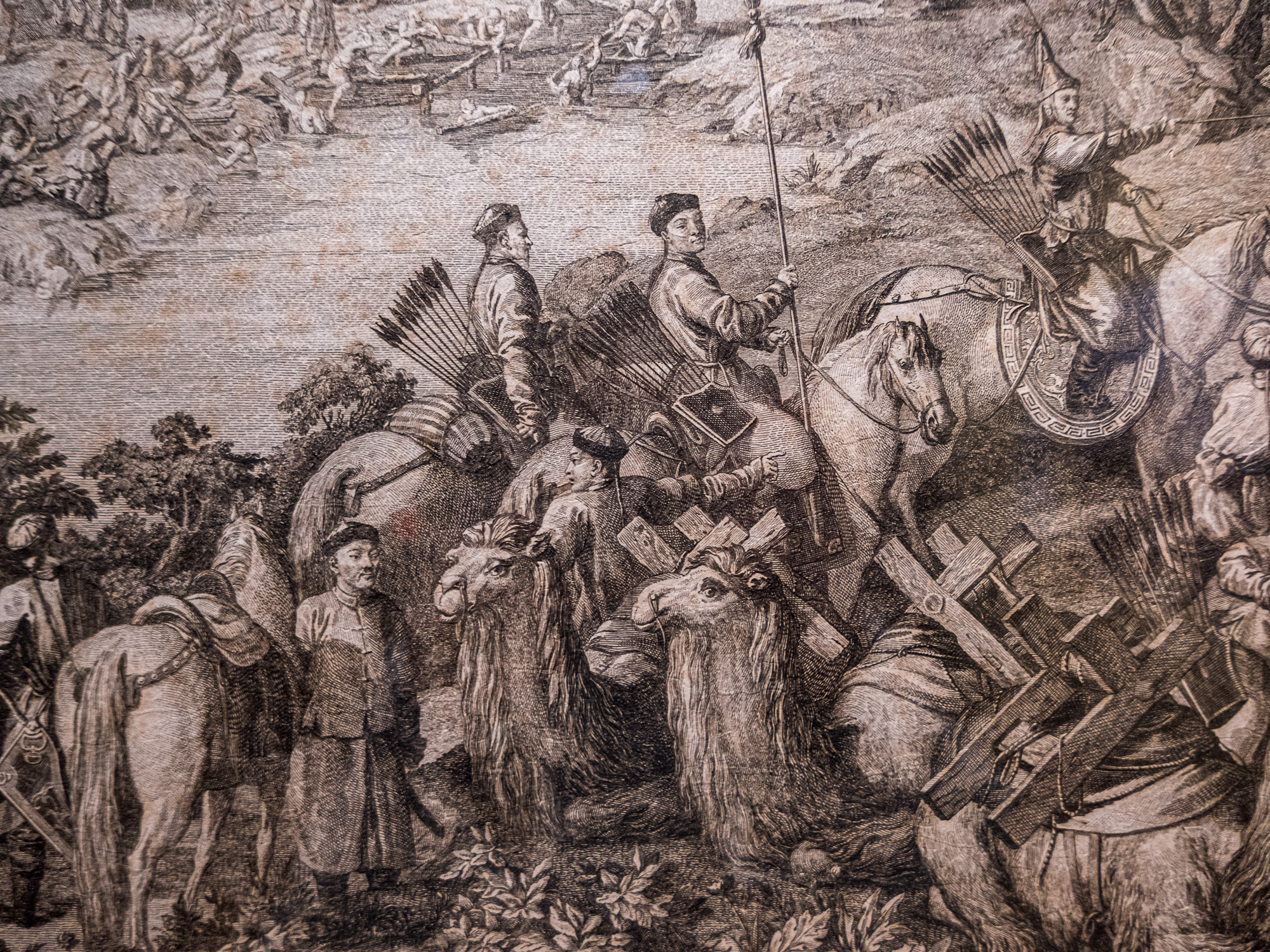
The exhibition doesn’t shy away from contemporary challenges either. It includes sections dedicated to the impact of climate change on camelid populations and ongoing conservation efforts. This thoughtful inclusion encourages visitors to consider the future of these fascinating creatures in a rapidly changing world.

The future of camels is uncertain, but there is hope. Conservation efforts are underway to protect wild camel populations, and new technologies are being developed to improve the efficiency of camel farming. With continued support, camels can continue to play an important role in the lives of people around the world.

During the colonial period, the British introduced Indian and Afghan camels and their drivers to Australia. At the time these hardy animals were useful to help in railroad construction. They have, though, led to an environmental problem in Australia today. Now about one million feral camels are a threat to Australian ecosystems. The Australian government has implemented various control measures to manage feral camel populations, including aerial culling and trapping programs. Nonetheless, the problem remains a significant challenge for environmental management in the arid regions of Australia. This is of course just one of many examples of how introducing an alien species to an area where it does not originally belong can wreak havoc on local biodiversity.


Camels have been an integral part of human history for thousands of years, particularly in arid regions where their unique adaptations make them indispensable. Living together with camels and their close relatives has shaped cultures profoundly. They serve as a vital source of livelihood for people around the world and are deeply intertwined with their cultural identities.
Camels are not just beasts of burden; they are a vital part of human history and culture. Their unique adaptations and resilience have allowed them to thrive in harsh environments for centuries. Recent genetic research has revealed that wild camels are a distinct species from domesticated camels, further highlighting their importance and resilience. As we face the challenges of the future, we must work to protect these remarkable animals and ensure that they continue to play an important role in our world.


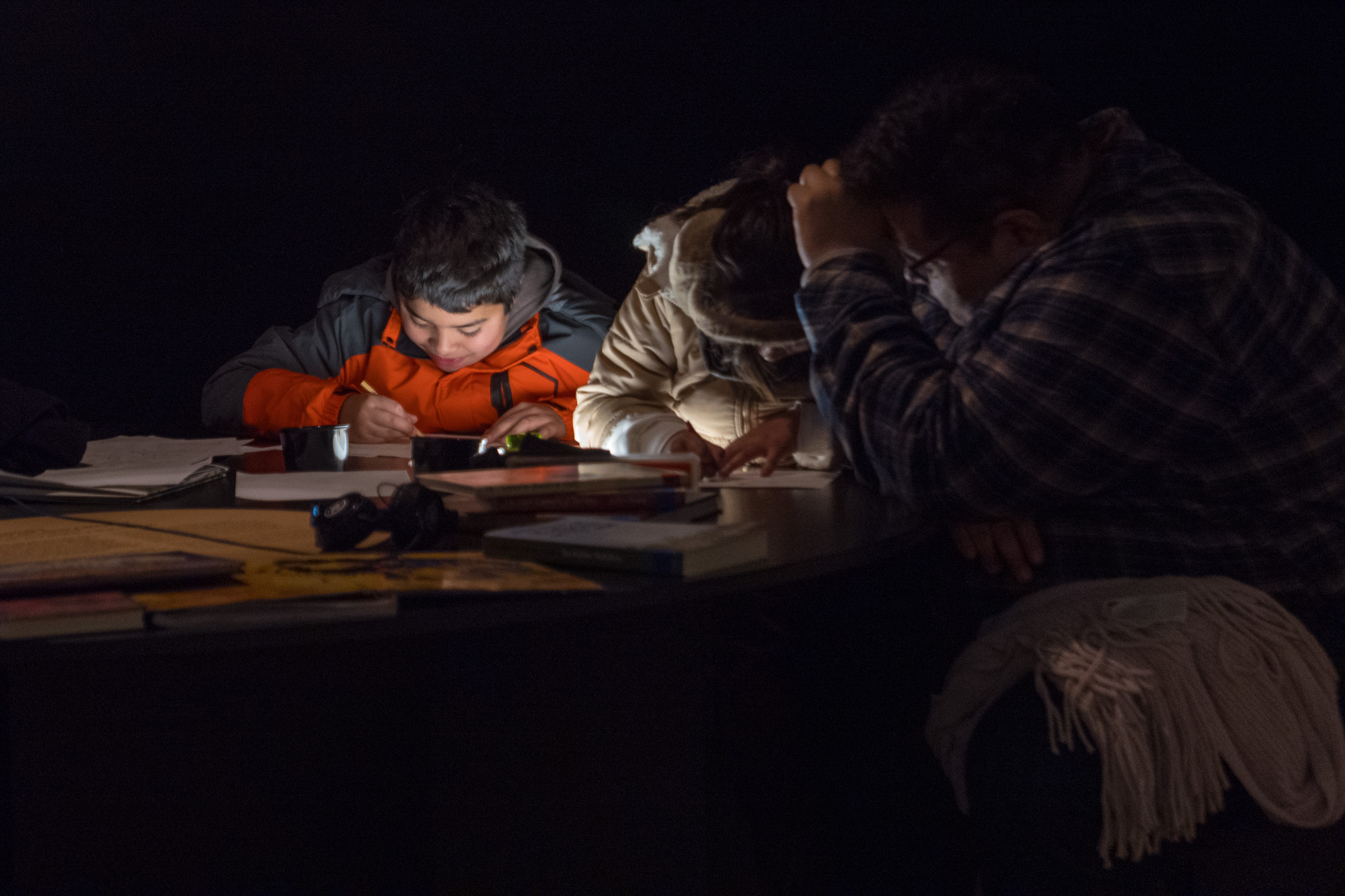

The current exhibition at the Weltmuseum Wien, ‘On the Backs of Camels,’ explores the multifaceted relationship between humans and camelids, examining how dromedaries, Bactrian camels, llamas, and alpacas have significantly influenced the societies they inhabit. The exhibition, which runs only until January 26, 2025, offers a fascinating journey through time and across cultures, showcasing the enduring bond between humans and these remarkable animals. Also take a look at the interesting accompanying programme that the museum has on offer, ranging from lectures to culinary delights to events for children.
Where:
When:
until 26 January 2025
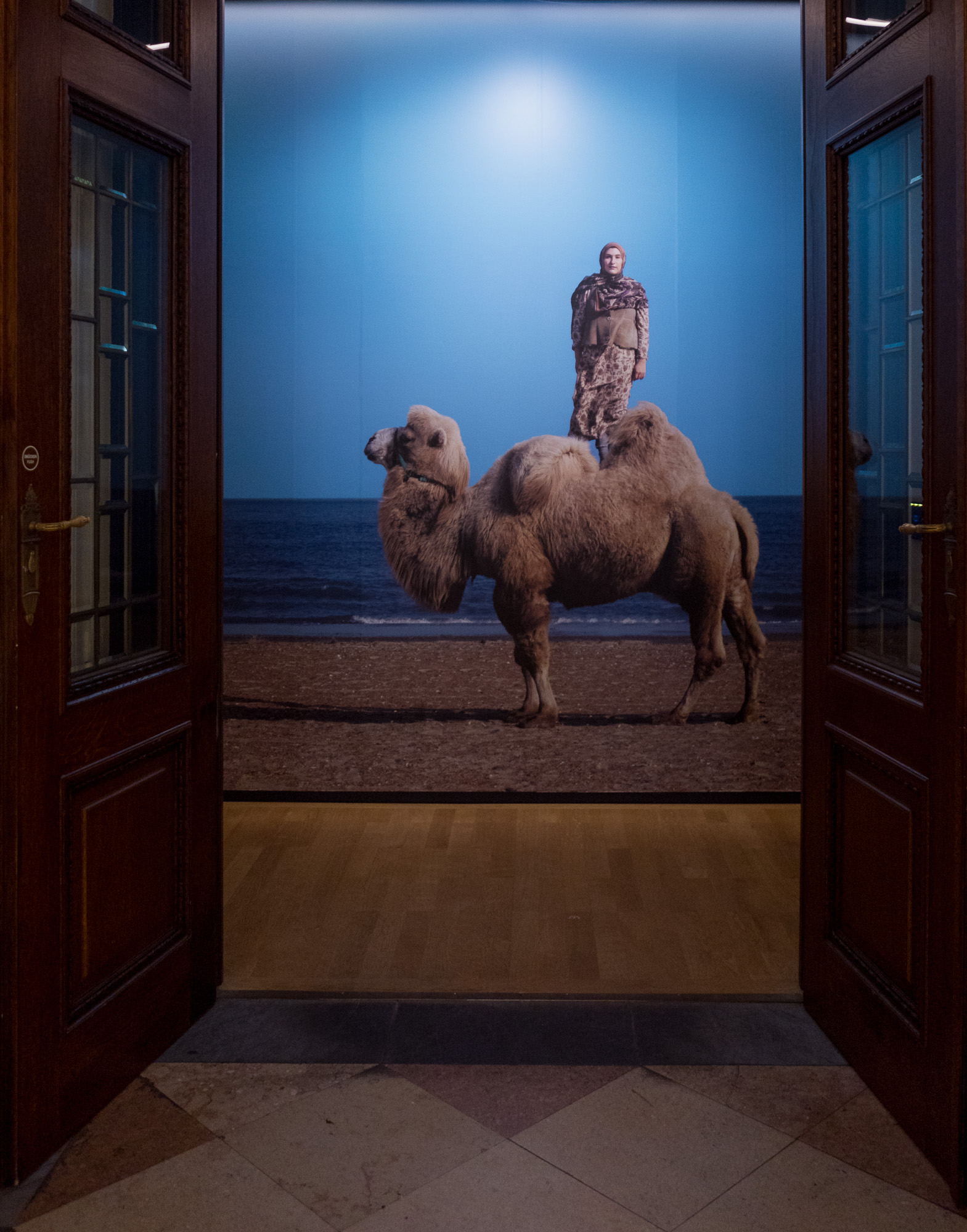
EXHIBITION PHOTOS © KARIN SVADLENAK-GOMEZ
 ViennaCultgram
The exhibit looks and sounds fascinating. Again, I regret not living near Vienna! 😊
LikeLiked by 1 person
You’re so kind, Tanja, yes, Vienna is so great for all kinds of cultural pleasures.
LikeLiked by 1 person