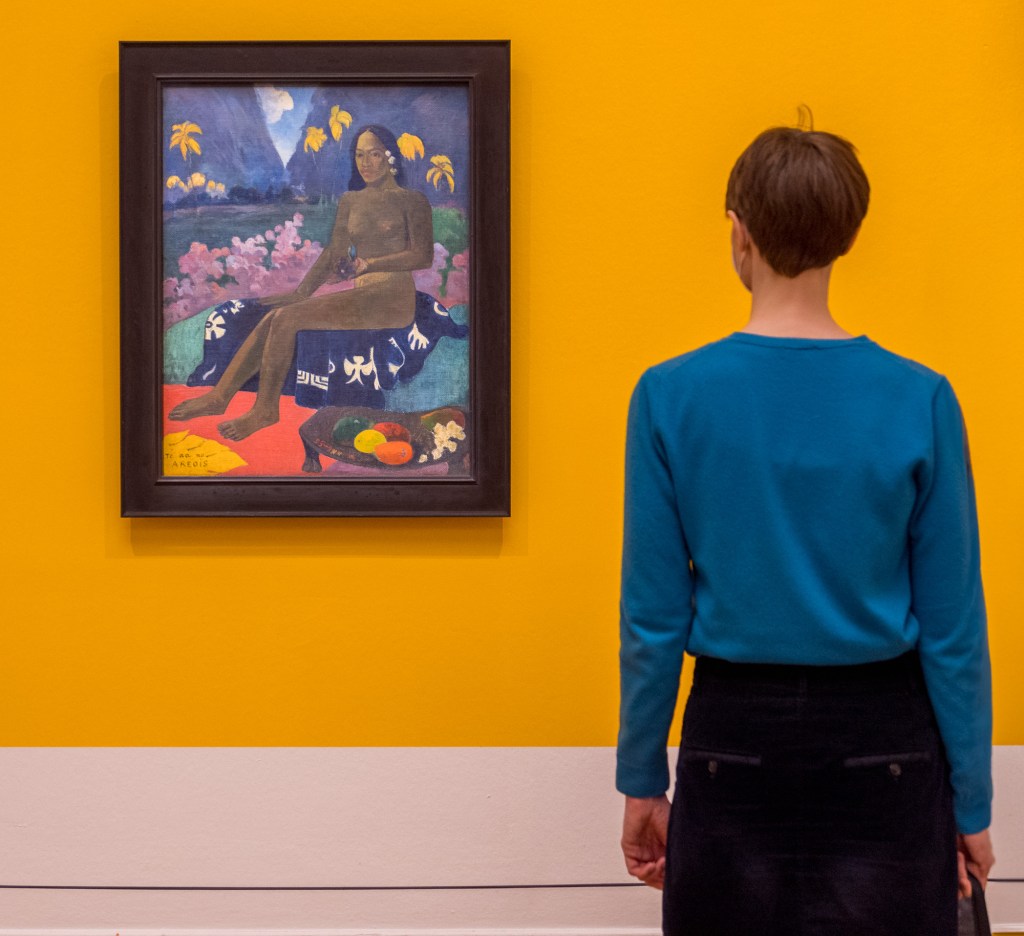
The Kunstforum Wien is currently hosting an exciting exhibition: “Gauguin – Unexpected.” I just got to see it a couple of days ago, and I was quite surprised to discover the breadth of Paul Gauguin´s work. This major retrospective is set to shake up your thoughts on the pivotal figure Gauguin, who is so well known for his iconic Pacific island paintings. Here, you will find a modern master’s work that you may not have come across before.
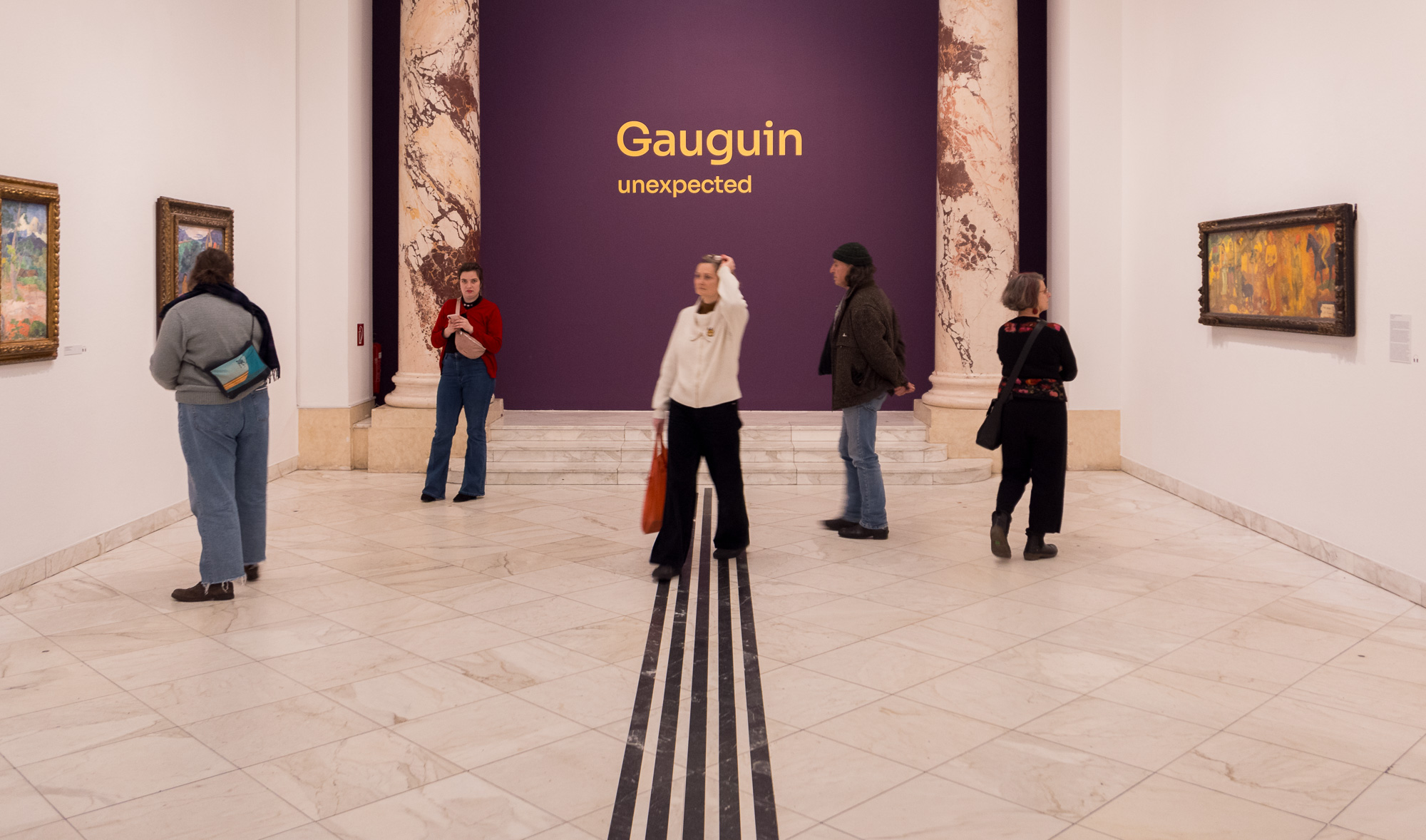
A Journey Beyond the Known
Paul Gauguin’s name is often synonymous with Post-Impressionism and his iconic paintings of Tahiti. “Gauguin – unexpected” delves deeper, showcasing the breadth of his artistic journey. From his early works, where one clearly sees the influence of Impressionism, to his bold and expressive later paintings, the exhibition offers a comprehensive look at Gauguin’s artistic evolution.
More Than Just the Exotic
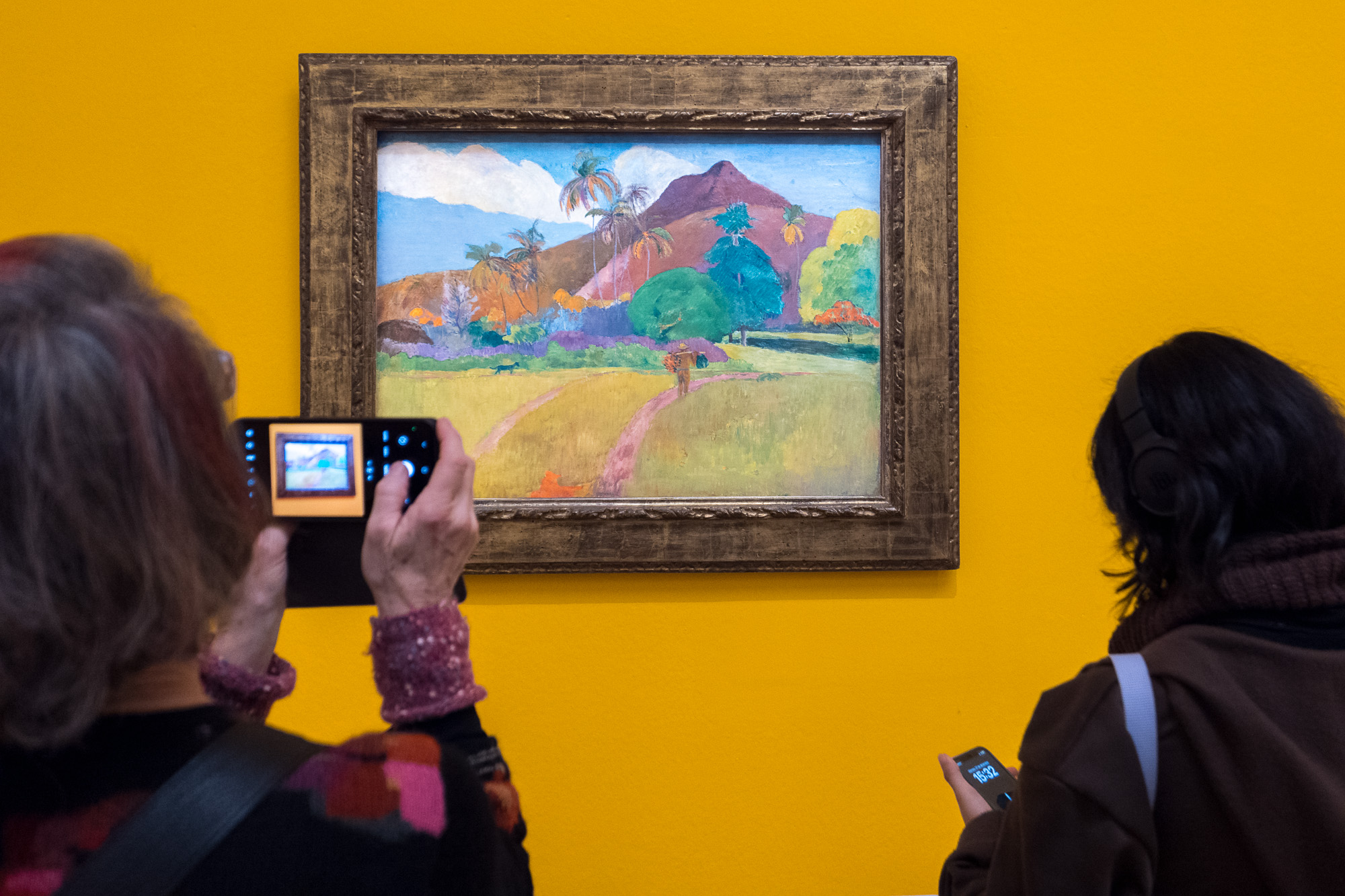
The exotic is there, to be sure, and, I dare say, luckily. Gauguin’s fascination with Tahiti and Polynesia is well-known, his paintings of Tahitian life, with their vibrant depictions of exotic landscapes and idealized figures, became iconic. But “Gauguin – unexpected” goes beyond these idyllic and idealised island scenes. The exhibition delves into the deeper themes that preoccupied the artist throughout his career, including primitivism, spirituality, and the search for meaning in a rapidly changing world. He was quite the adventurer and travelled, and this is also visible in his paintings, which in a sense chronicle his life´s journeys.
A Master of Colour and Form
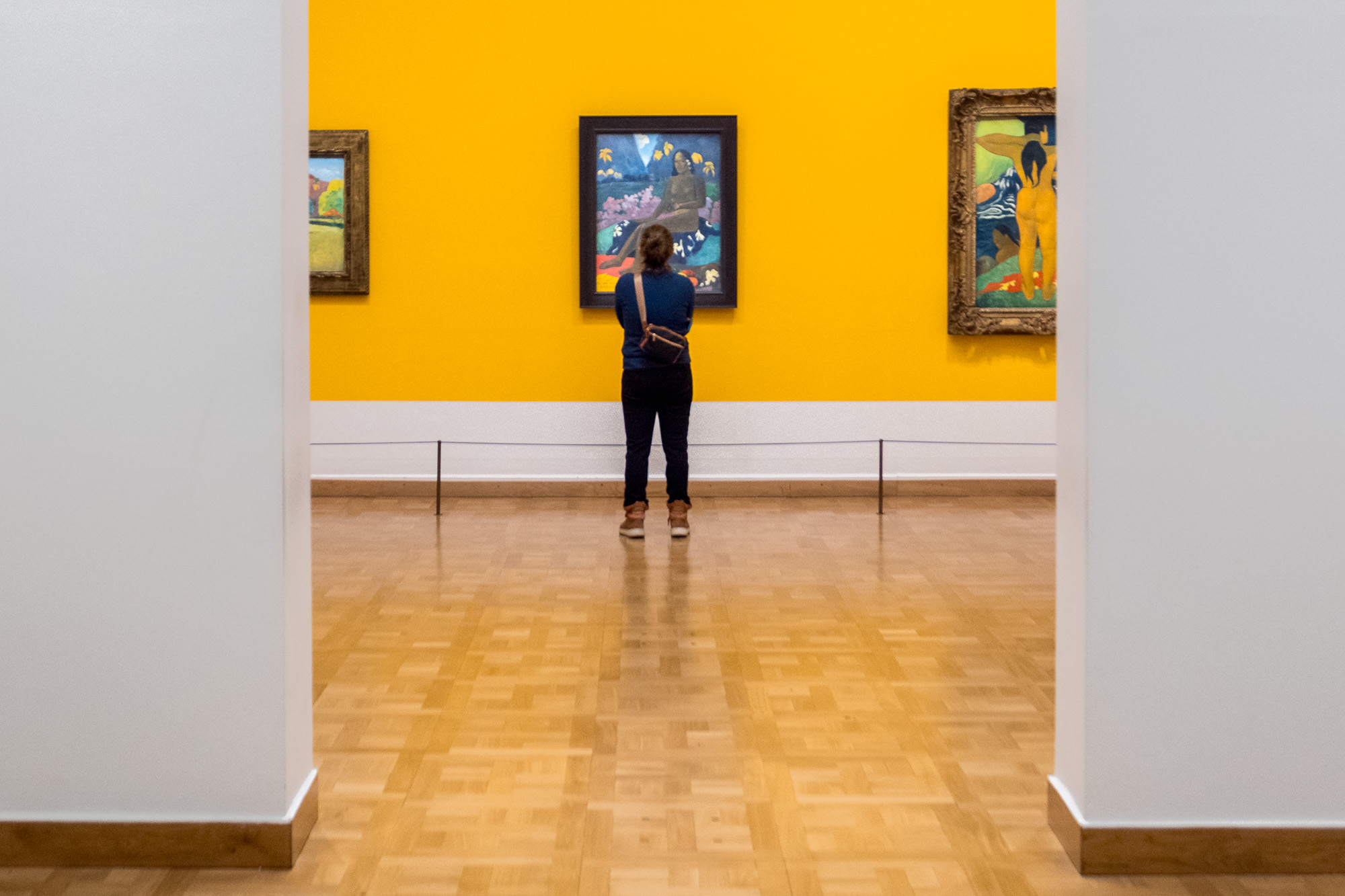
A central theme of the exhibition is Gauguin’s groundbreaking use of colour and form. His vibrant palettes and simplified shapes were a radical departure from the artistic norms of his time. The exhibition explores how Gauguin’s innovations paved the way for modern art movements like Fauvism and Expressionism. Paul Gauguin’s artistic journey was a dramatic departure from the conventional path. After a successful career as a stockbroker, he abandoned the comforts of bourgeois life to pursue his passion for painting. Initially influenced by Impressionism, Gauguin sought to break free from its constraints, yearning for a more authentic and expressive form of art. He embarked on a quest for “primitivism,” traveling to Brittany, France, and ultimately to Tahiti and the Marquesas Islands in search of inspiration from non-Western cultures. These experiences profoundly shaped his artistic vision.
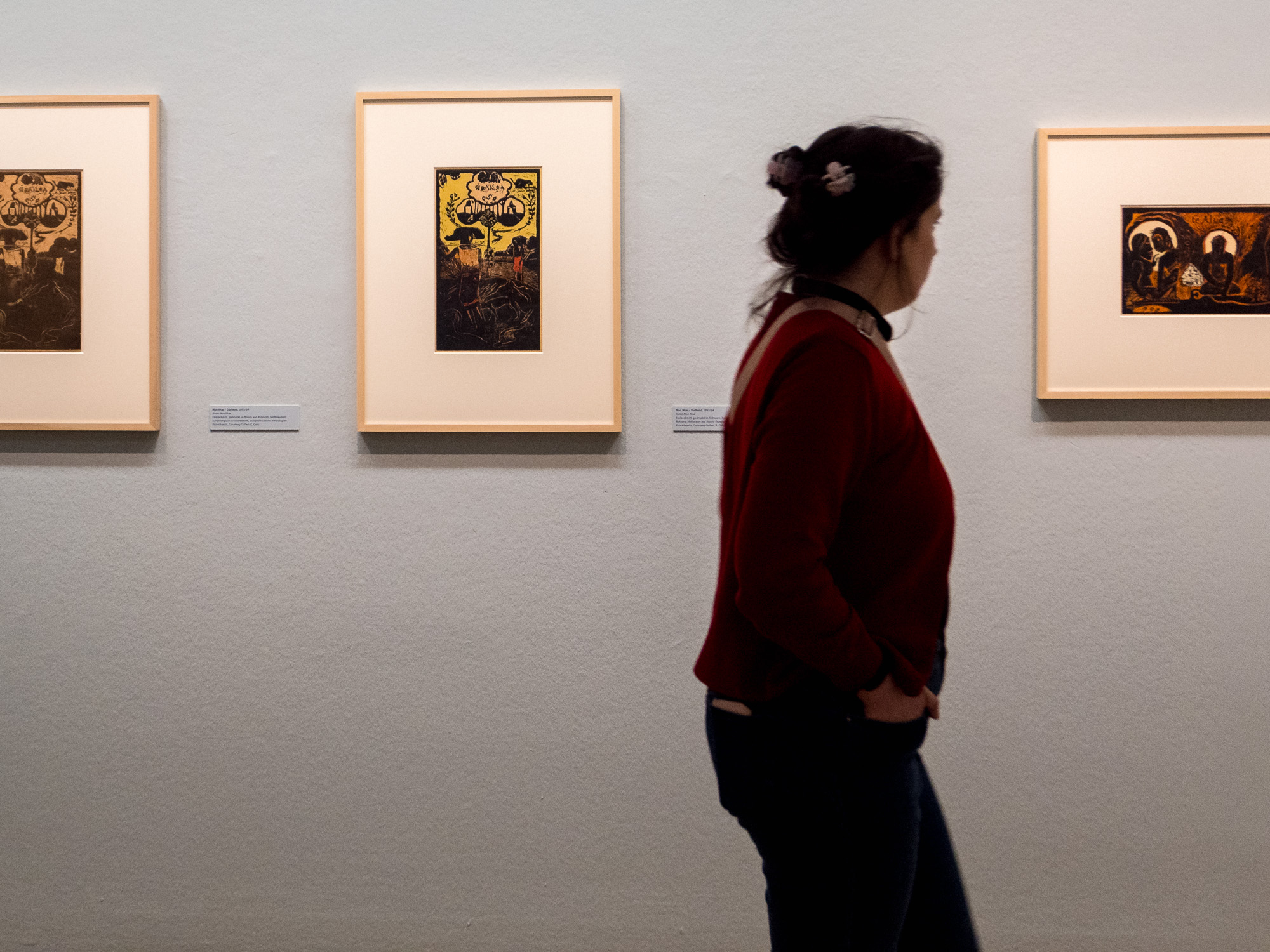
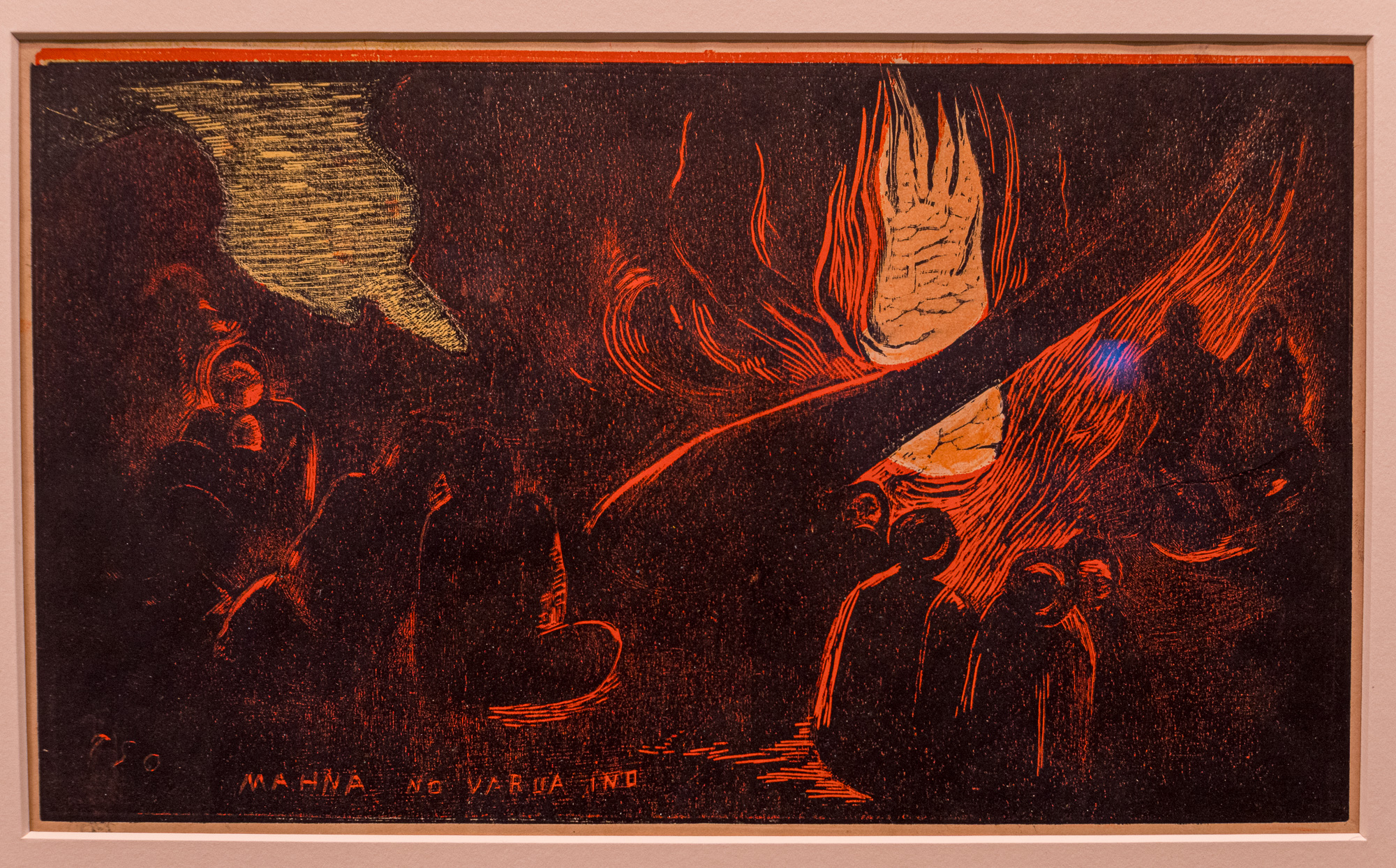
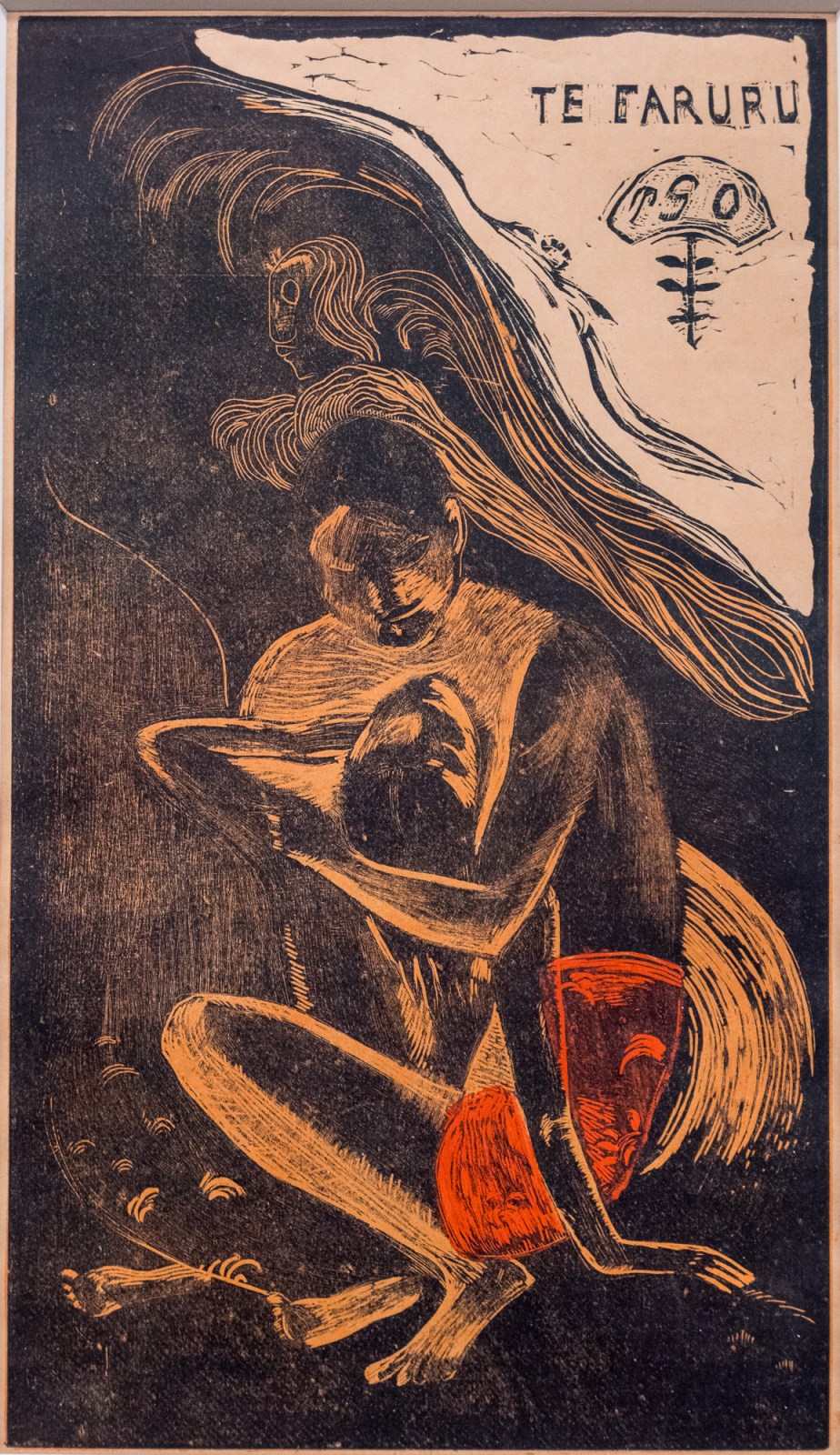
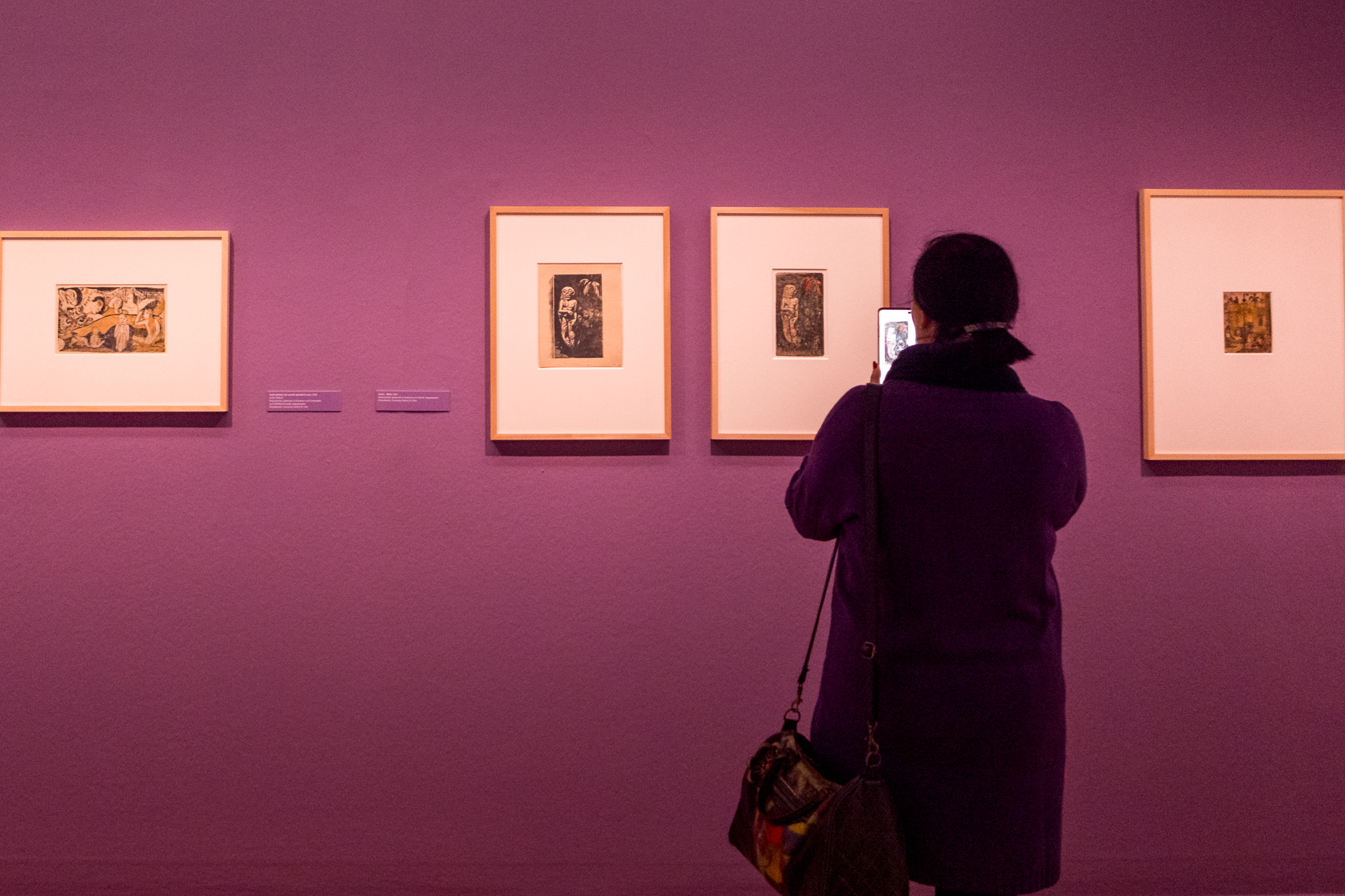
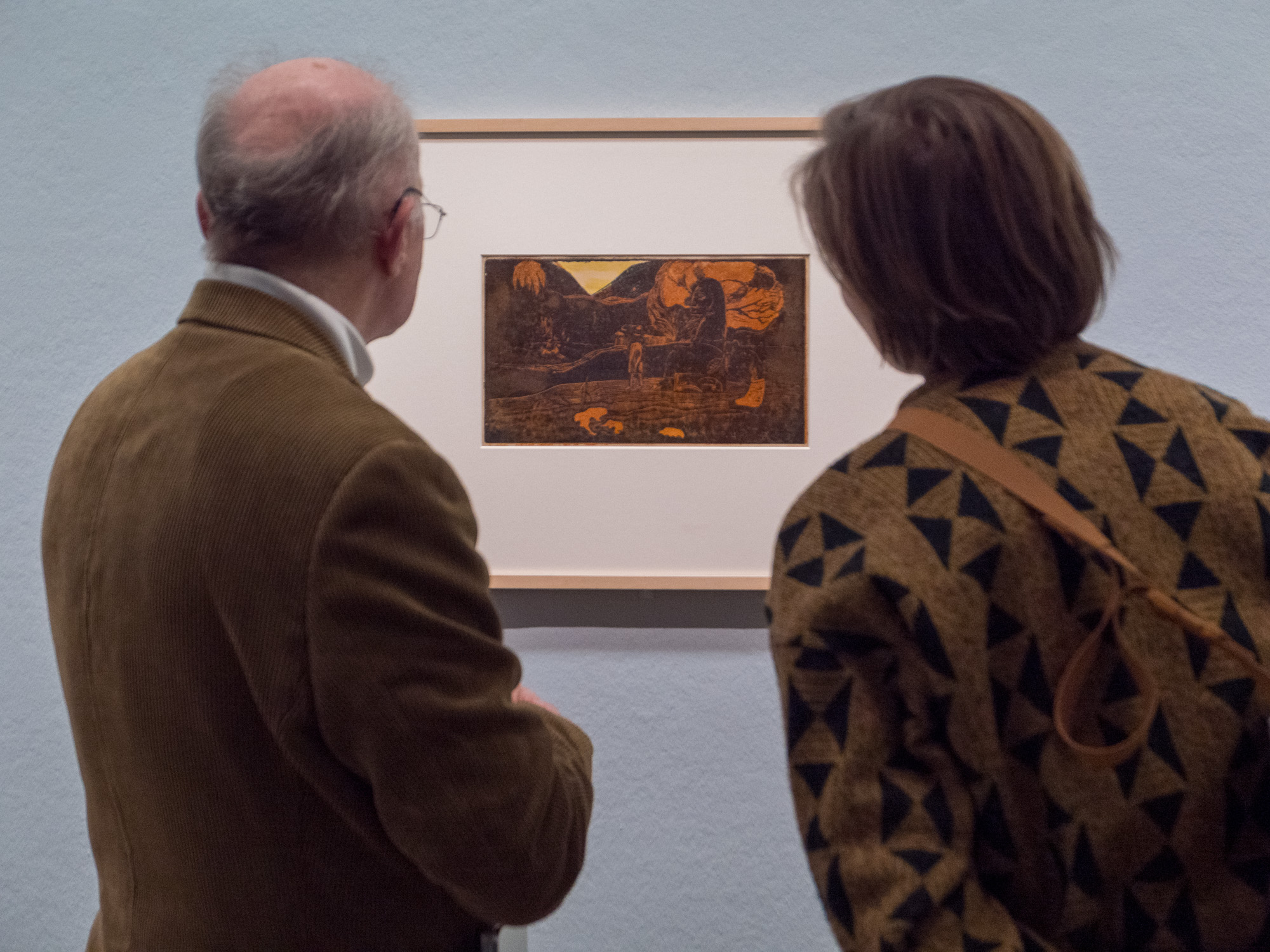
I did not know that Paul Gaugin also produced an extensive series of wood cuts, and they are absolutely amazing.
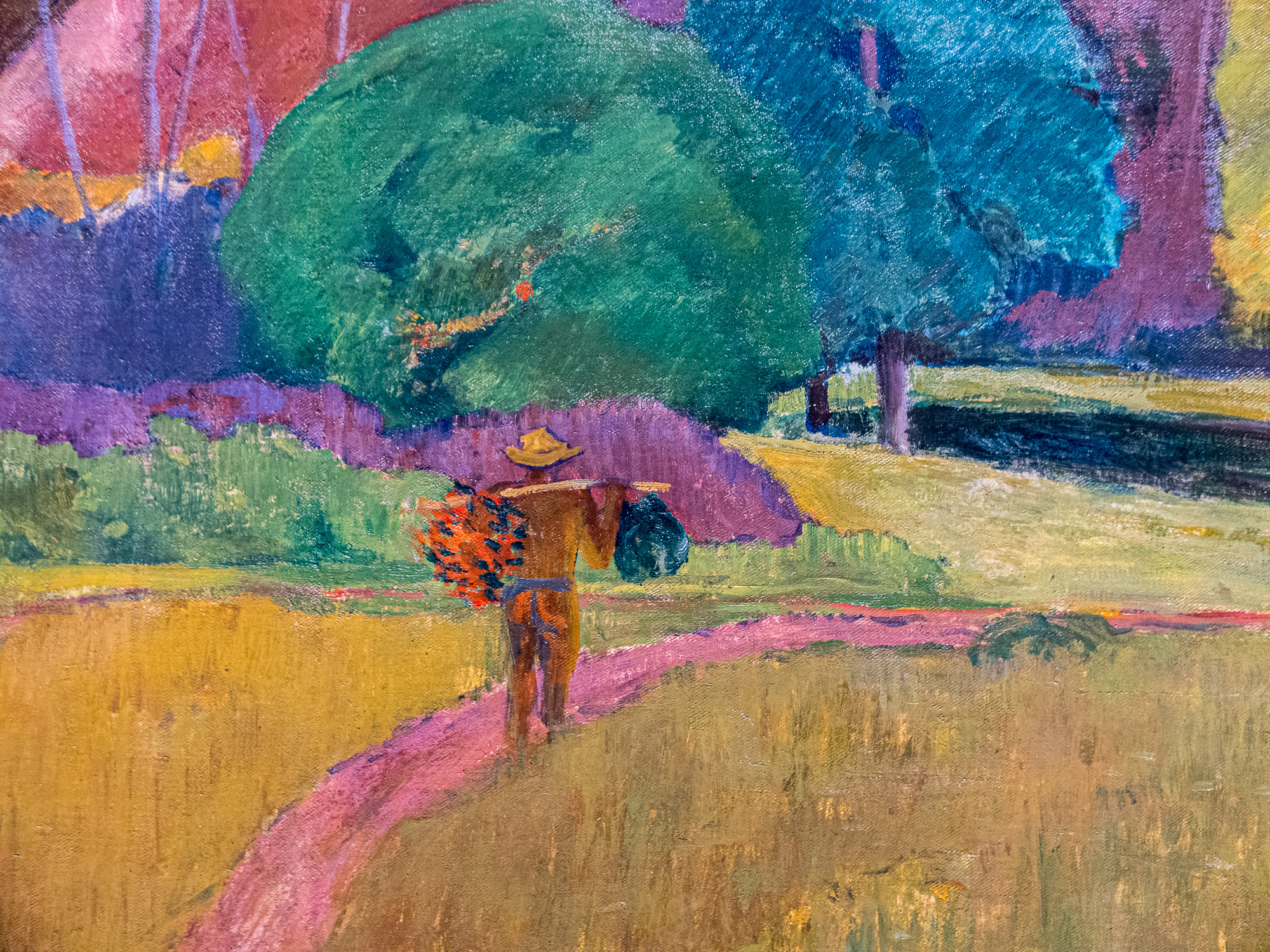
Later in life Gauguin developed a distinctive style, characterized by bold colors, simplified forms, and symbolic imagery, which he termed Synthetism.
Where Do We Come From? What Are We? Where Are We Going? (Inscription on a 1897–98 painting by Paul Gauguin)
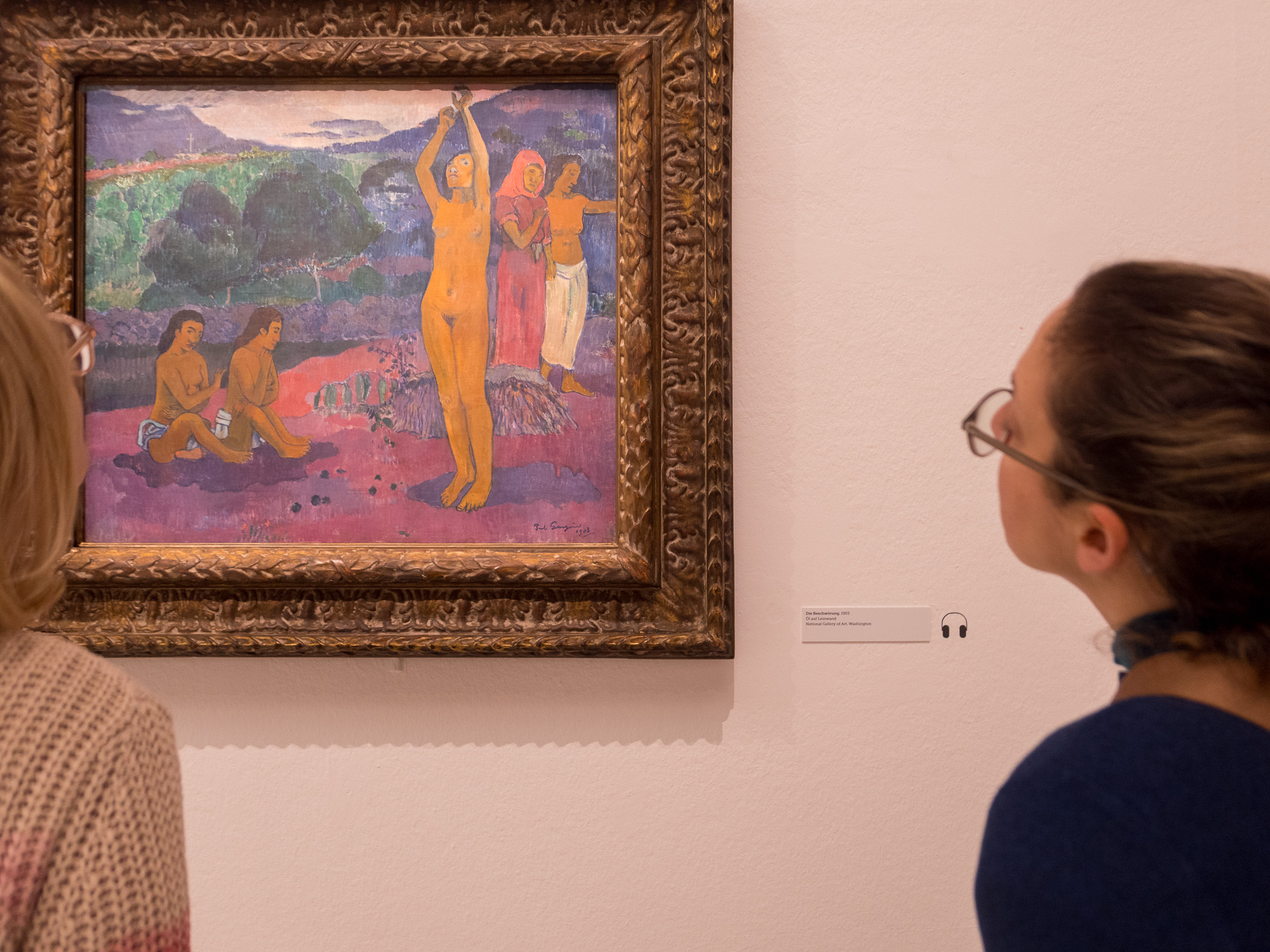
Personal challenges
Gauguin’s pursuit of artistic freedom came at a significant personal cost. He abandoned his family and alienated many of his friends in his quest for artistic expression. His relationships with the women in his life, including his wife and his Tahitian companions, were often complex and tumultuous. He faced financial hardship and isolation during his time in the South Pacific, struggling to survive and maintain his artistic practice. Despite these challenges, Gauguin remained dedicated to his art, pouring his emotions and experiences into his paintings. He sought to capture the essence of Tahitian culture, exploring themes of spirituality, mythology, and the relationship between humans and nature.
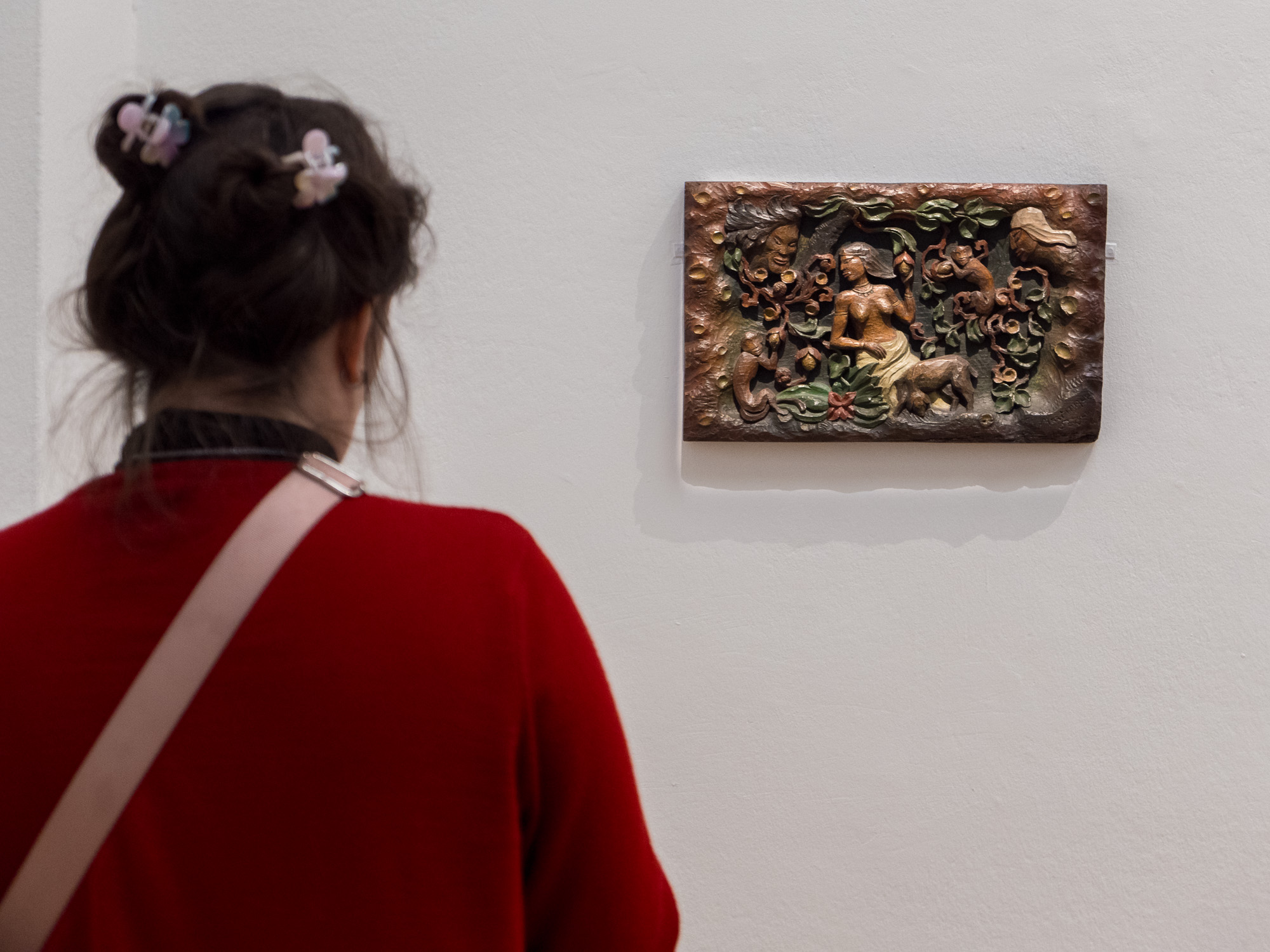
A controversial context
Gauguin´s portrayal of Tahitian women and culture has been subject to critical scrutiny in recent years. Some scholars argue that his depictions were romanticized and idealized, often reflecting colonial stereotypes and objectifying Tahitian women. His Tahitian “wife” Teha’amana was a young teenager when she and the painter began their relationship, while he was in his forties and still legally married to his Danish wife Mette. So while Gauguin’s art provides a fascinating glimpse into Tahitian life, it’s crucial to view it within the historical context of colonialism and to acknowledge the complexities of his relationships with the Tahitian people. His idealized vision of Tahitian life often clashed with the realities of colonial existence and the impact of Western civilization on indigenous cultures. Gauguin’s personal life was marked by both artistic triumphs and personal controversies, leaving a complex and often controversial legacy.
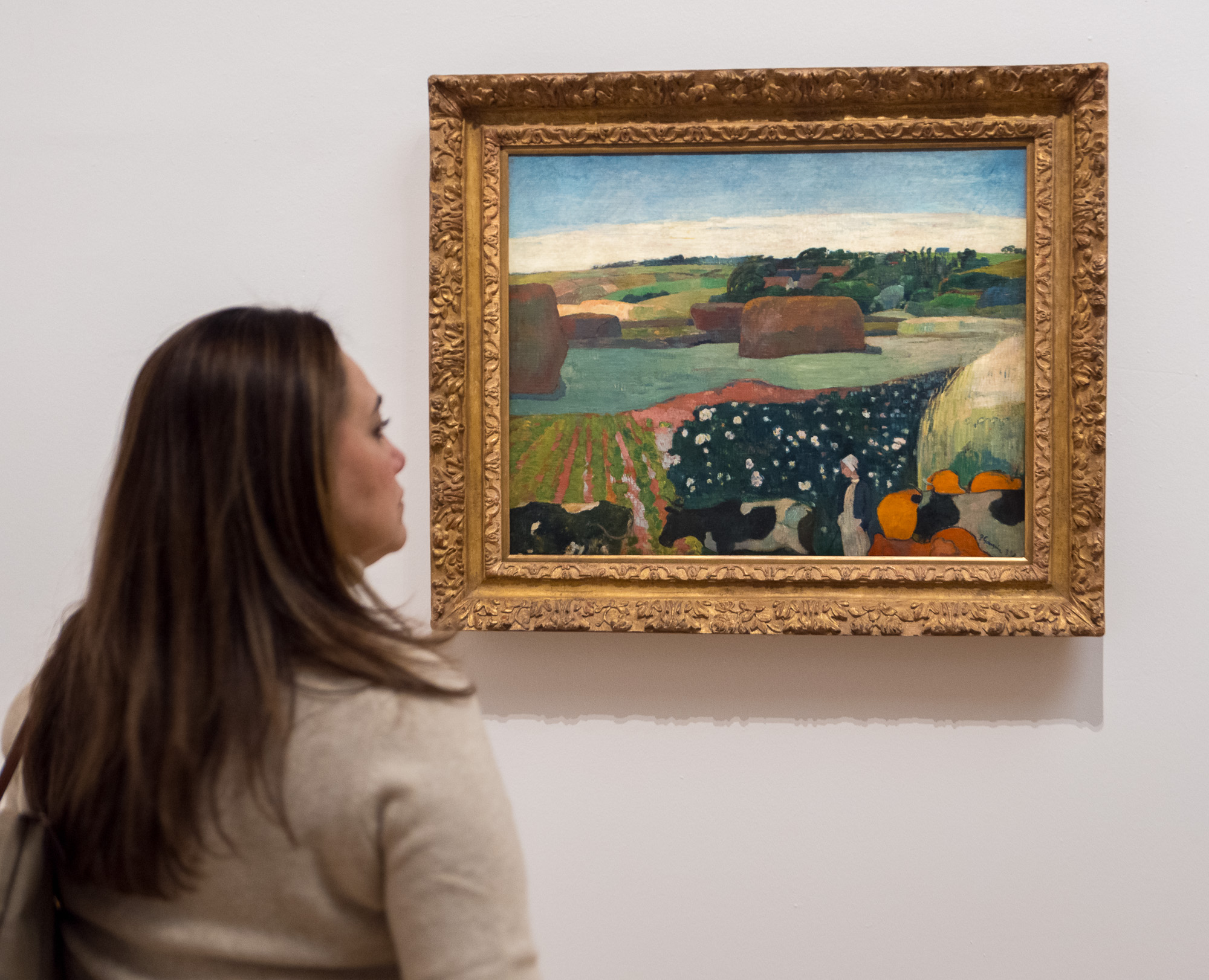
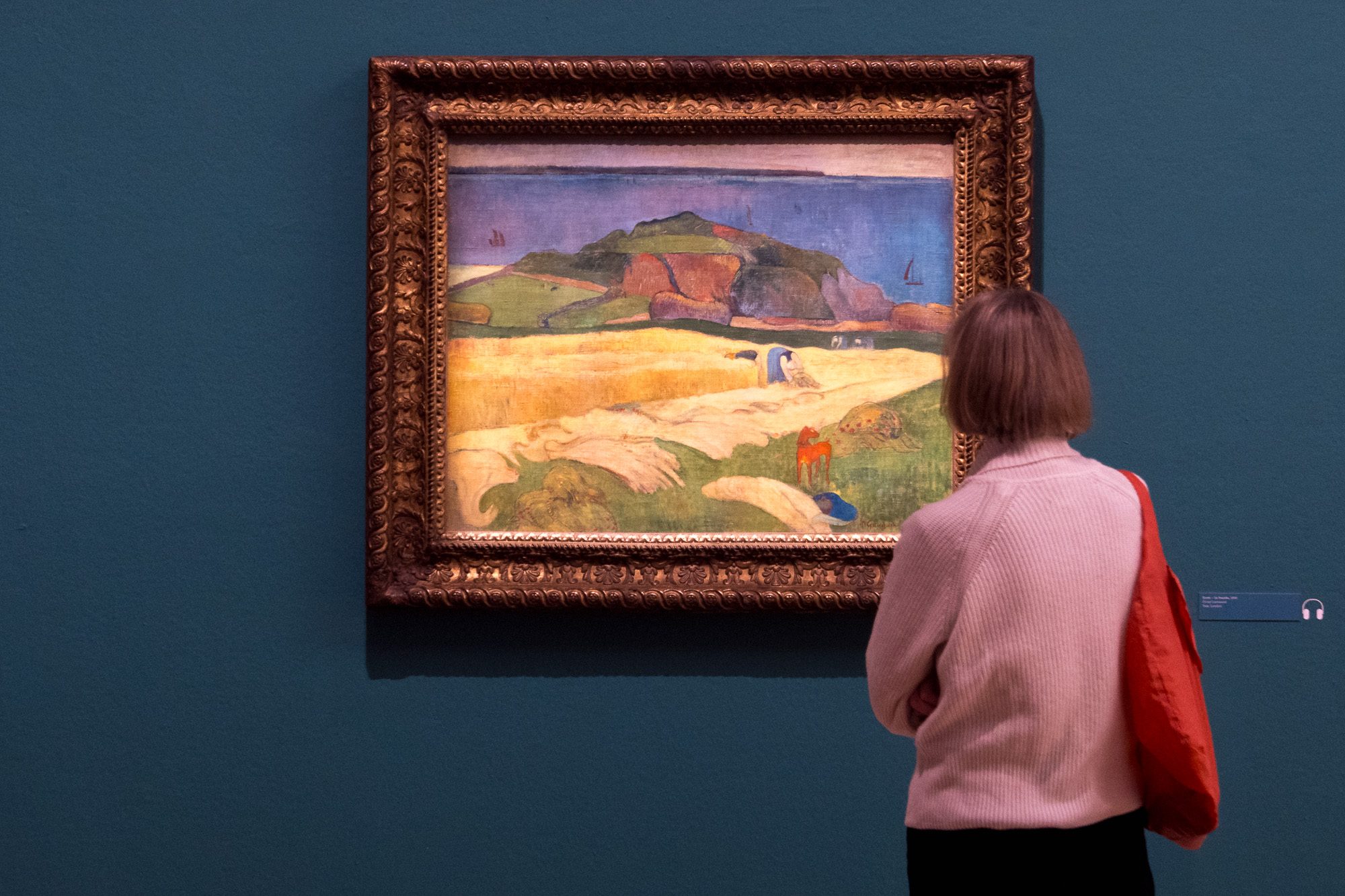
Paul Gauguin died on May 8, 1903, in Atuona, Hiva Oa, in the Marquesas Islands, at the age of 54. The official cause of death was listed as heart failure, but some sources suggest he may have died from an overdose of morphine or a combination of factors including syphilis, alcoholism, and general ill health.
As far as I am concerned, “Gauguin – unexpected” is a must-see exhibition. The Kunstforum Wien offers a unique opportunity to encounter Gauguin’s art in a new light, and to appreciate the enduring relevance of his artistic vision.
“Gauguin – unexpected” is on at the Kunstforum Wien from October 3, 2024, to January 19, 2025. For more information and to buy tickets, visit the Kunstforum Wien website. Weekends can get crowded, luckily I was able to visit on a week day and while well visited, it was quite pleasant.
An art venue´s future
I fervently hope that this is not the last chance to see an exhibition at the Kunstforum Wien. The Unicredit Bank Austria announced abruptly in December that is no longer going to be financing the Kunstforum Wien, which has been an important and prominent private exhibition space in Vienna. The art community is expressing outrage and concern over this closure. While the bank claims to be in constructive discussions with all stakeholders to ensure a smooth transition, the future of the Kunstforum presently remains uncertain. The closure would mean a significant loss for Vienna’s cultural scene. I for one hope, that some form of solution can be found where the Kunstforum will remain open, perhaps under new sponsorship. In any case, the announced closure highlights the challenges faced by all cultural institutions in the current economic climate.
Where:
Kunstforum Wien, Freyung, 1010 Vienna
When:
until 19 January 2025.
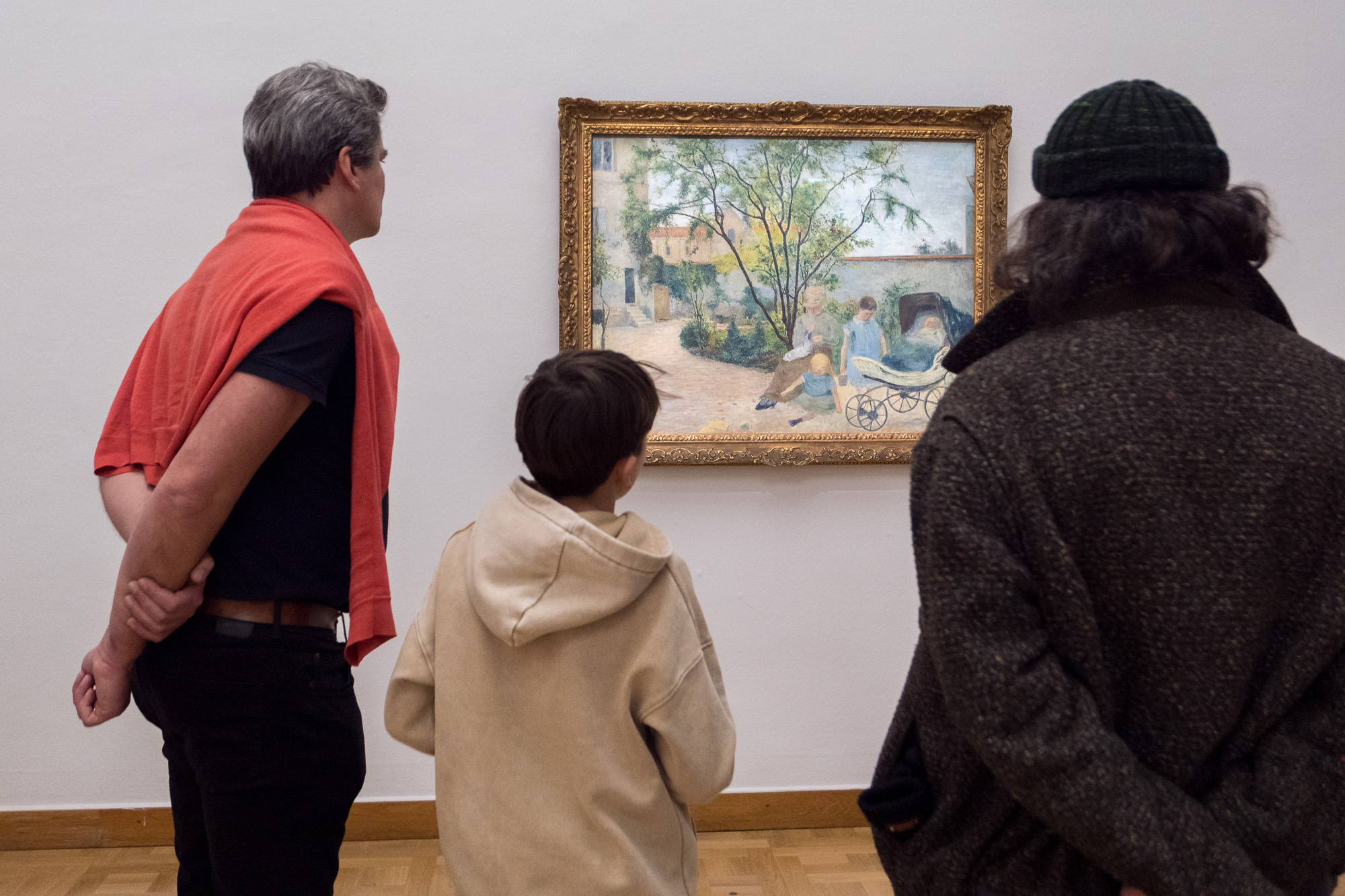
EXHIBITION PHOTOS © KARIN SVADLENAK-GOMEZ
 ViennaCultgram
How interesting. I admit to a very limited, very stereotypical knowledge of Gauguin. This retrospective looks very interesting. Too bad Vienna is so far away.
I hope the Kunstforum will find other sponsors!
LikeLike